

Introduction
Bringing a dog into a new apartment or rental home is a huge step, and you probably already know it comes with its own pressures—pet deposits, landlord approval, and that nagging worry about what you might damage. But before you even turn that key, there’s a real question to answer: what do you actually need to buy before getting a dog? The right prep work means your new companion feels safe from day one, you’re not scrambling to buy stuff mid-week, and everyone (including your landlord) stays happy.
Essential Items
There’s a difference between “nice to have” and “need to have,” and your essential list is pretty straightforward. You’ll need to buy a crate (size-specific for your dog), food for transition, a secure collar or harness, a 6-foot leash, and an ID tag before bringing your dog home. These aren’t luxury items—they’re the foundation for your dog’s safety and comfort.
Beyond those baseline pieces, think about the day-to-day stuff:
- Food and water bowls: Elevated dog bowls help reduce strain in their neck. If you’re renting, look for bowls that are easy to clean and won’t stain or damage your floors. Non-slip bases are a game-changer for renters with tile or hardwood.
- Dog food: Look for food formulated for your dog’s life stage with an AAFCO statement on puppy, adult maintenance, or senior labels. If you’re adopting an adult dog or getting one from a rescue, ask what they’ve been eating and plan to transition slowly to avoid digestive upset.
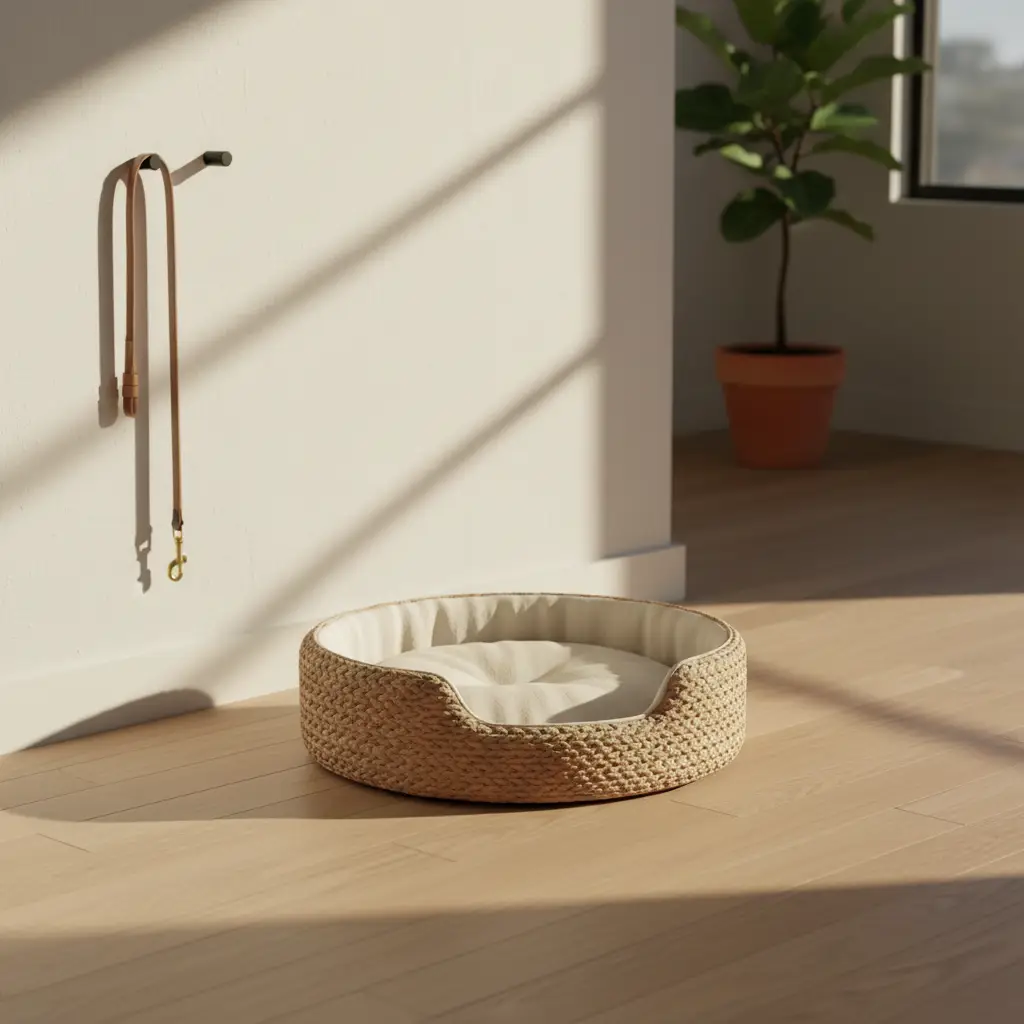
- A comfortable bed: Dogs all have different tastes, so it might take a few tries to figure out where your puppy is most comfortable taking naps, and dog beds come in many different variations. In a rental, pick something washable and compact so it fits your space.
- Toys: A variety of toys helps to start—some dogs get attached to soft toys, while others destroy them in seconds; some love tug-of-war and big rope toys, and some would rather have an enrichment toy.
- ID tags and microchipping: Two common identification methods are ID tags and microchipping; ID tags attach to a puppy’s collar and list the pet parent’s name and contact information. For renters especially, this is crucial in case your dog escapes.
Health-Related Items
Before your dog arrives, schedule a vet visit. Veterinary visits are crucial when it comes to caring for pets; puppies should visit their veterinarian about every three to four weeks. Your vet will give you guidance on vaccinations, flea and tick prevention, and any breed-specific concerns.
Stock your home with basic health and grooming supplies so you’re not scrambling later. This includes grooming tools like a brush, dog shampoo, and nail clippers. Starting your dog’s dental care routine early isn’t just beneficial to their health; brushing your puppy’s teeth early will help them get used to the feeling. It might feel like overkill now, but a quick daily brush prevents expensive dental problems down the road.
You’ll also want a basic first aid kit on hand—things like gauze, pet-safe antiseptic, and any medications your vet recommends. If your dog has specific health needs (like joint support or digestive issues), your vet will recommend prescription items or over-the-counter options.
Supplements to Consider
Not every dog needs supplements, but knowing your options is helpful. Pet parents and veterinarians are turning to supplements to boost their dog’s regular diet; supplements should never take the place of a complete and balanced dog food, but they can help address some health issues and provide peace of mind. Here are the ones worth thinking about:
- Joint support: Glucosamine and chondroitin work together to support the cartilage that lubricates and cushions joints; collagen is a type of tissue that lines joints and helps them stay slippery and mobile; and omega-3 fatty acids typically derived from cold-water fish support a normal inflammatory response in naturally aging joints.
- Probiotics: Probiotic tablets are beneficial bacteria that promote gut health, aid digestion, and boost your dog’s immune system; they are especially useful for dogs with sensitive stomachs or those who experience digestive issues.
- Omega fatty acids: Omega-3 and omega-6 fatty acids are known to improve skin and coat health; these are particularly helpful for dogs with dry, itchy skin or allergies.
If you’re considering supplements, it’s always a good idea to talk with your vet before starting your dog on any new products. Many supplements are overkill for young, healthy dogs eating a balanced diet, so don’t stress if your vet says you don’t need them yet.
Where to Buy Pet Medications and Supplies Safely
When it comes to where to buy pet medications and health items, you have solid options. Your vet’s office is always an option, though often pricier. For broader selection and better prices, online retailers tend to have more variety and faster delivery.
Good places to start looking:
- Dwellsy: While Dwellsy is primarily a rental search platform, it’s worth checking if they’ve expanded to include pet supply partnerships or recommendations for renters in your area.
- 1800PetMeds: A solid pharmacy and supplement retailer where you can get 20% off using code WELCOME20 at checkout.
- Zesty Paws: Known for supplement quality, offering free shipping on orders of $60 or more.
- Professional Supplement Center: A wellness retailer with free shipping on vitamins and supplements.
- BudgetPetWorld: Offers 12% off sitewide with free shipping, plus extra savings on auto-order.
When shopping online, check reviews and make sure the site is legitimate. Look for products that come from reputable brands and, when possible, choose items that have third-party testing. Always choose high-quality supplements that are formulated specifically for dogs; many human vitamins and supplements may not be safe for your dog or may not provide the appropriate dosages.
P.S. This post contains affiliate links at no extra cost to you. The products featured here consistently showed up as top options during our research, and we aim to provide the most accurate and helpful information possible.
FAQ
How much should I budget for bringing a dog home?
Bringing home a new puppy can cost parents between $1,050–$4,480 in the first year, and the range may seem like a lot, but many of the costs are one-time spends. This includes the essentials we’ve covered plus vet care, food, and unexpected expenses. As a renter, remember that pet deposits and monthly pet rent vary widely by building, so factor that in too.
Do I need a crate if I’m renting?
A crate is helpful for housetraining and gives your dog a safe space when you’re not home, but it’s not mandatory. In a rental, having a designated safe area is especially useful since it protects your security deposit. Having a place that can be your dog’s own space is important; filling their crate with a bed, toys, and even old clothes that still have your scent give your dog a sense of security, especially if you’re bringing home a puppy that needs training.
Can I transition my new dog to different food right away?
No—sudden food changes cause digestive upset. The best thing to do is to continue what your dog is currently eating and transition to what you plan to feed them by slowly mixing in the new food, adding more until you wean out the old food; this can prevent tummy troubles in an already stressful time. Plan for about a week-long transition.
What’s the best time to start supplements?
Most healthy, adult dogs eating quality dog food don’t need supplements right away. Talk to your vet at your dog’s first checkup about whether supplements make sense for your dog’s age, breed, or any existing health concerns.
How do I puppy-proof my rental apartment?
Before bringing your dog home, take the time to puppy-proof your living space; remove hazards like electrical cords, toxic plants, and small objects that could be swallowed; secure cabinets, trash cans, and any areas you want to keep off-limits. This protects both your dog and your security deposit.