
Is Your Dog Unhealthy at Home
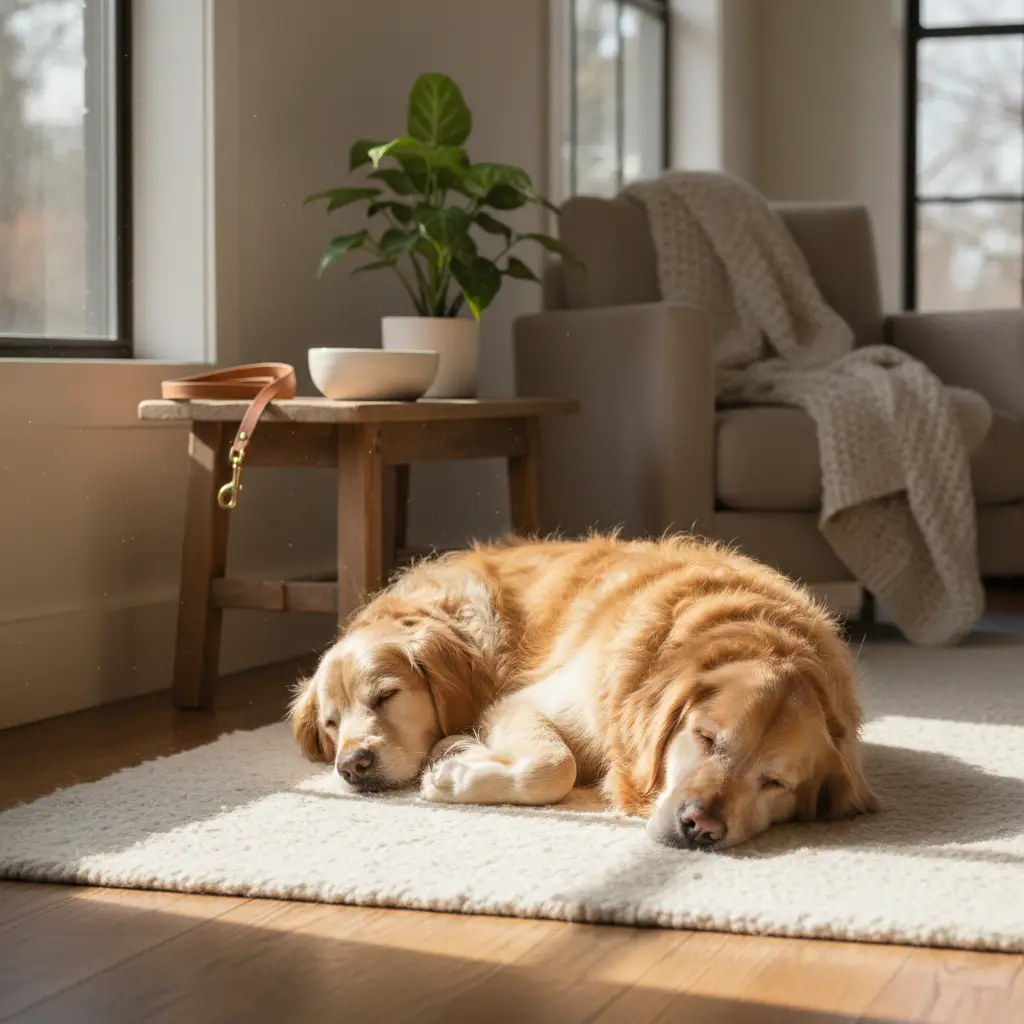
Your dog spends most of their time indoors, so any problems brewing at home can quickly affect their wellbeing. It’s not always obvious when something’s wrong—dogs are notoriously good at hiding discomfort, and seemingly minor changes in their behavior, daily routine, or appearance can signal something more serious. Knowing what dog unhealthy at home signs look like puts you in a position to catch health issues early, before they escalate. But how do you know what’s normal and what warrants a vet visit?
Signs Your Dog May Be Unhealthy
The first step is learning to recognize when something’s off. You know your dog better than anyone — if you think something’s up, it probably is. Watch for these physical and behavioral shifts:
- Changes in eating habits. A sudden decrease or increase in appetite can indicate pain, dental discomfort, illness, or hormonal imbalance, and you should schedule an appointment with your veterinarian if your pet stops eating or becomes unusually picky.
- Lethargy or low energy. If your dog is unusually tired or lacks energy for more than a day or two, they may have an underlying health issue, as prolonged lethargy could indicate problems such as chronic pain, metabolic conditions, or heart disease.
- Changes in elimination habits. Increased frequency, accidents in the house, straining, or blood in urine or stool can indicate urinary tract infections, kidney issues, diabetes, or gastrointestinal problems.
- Coat and skin changes. Dandruff and oily or missing fur can indicate skin or internal problems.
- Itching or scratching. If your dog is itching or scratching more than normal, it could be a sign of an allergy, infection, or other health complication.
- Excessive licking or paw chewing. When your dog is focusing their licking on their paws and skin beyond basic grooming, excessive scratching can lead to rashes and skin infections or could indicate fleas, and underlying pain from arthritis can also cause dogs to lick excessively.
- Increased thirst or urination. Increased thirst or frequent urination can signal several health issues, including diabetes, kidney disease, and urinary tract infections.
- Behavioral changes. Unusual behavior changes, such as aggression, irritability, hiding, attention-seeking, hyperactivity, disorientation, or excessive vocalization, can indicate pain, stress, or illness, and if your pet’s behavior or personality changes drastically, you should consult your veterinarian.
- Respiratory issues. Persistent coughing or sneezing can signal infections, allergies, foreign objects, tracheal injury, or cardiovascular problems.
- Weight changes. Significant weight changes can indicate a range of health issues, including metabolic disorders, intestinal parasites, and cancer, and you should monitor your pet’s weight regularly at home by feeling their ribs and spine.
Common Indoor-Related Health Issues
Living indoors comes with its own set of health challenges that renters especially need to know about. The good news is that many are preventable or manageable with awareness.
Poor indoor air quality. This is a big one, especially in apartments or enclosed spaces. Dogs are 60% more likely to develop lung cancer because of indoor air quality. Poor air quality can create extra strain on both the lungs and cardiovascular system in dogs and cats, and for pets that already have underlying heart or respiratory disease, the consequences can be even more serious. Common indoor culprits include cleaning products, secondhand smoke, cooking fumes, and candle or incense smoke. Main contributors to air pollution in homes include particulate matter, carbon monoxide, biological pollutants like fungus and mold, cooking stoves and ovens, cleaning chemicals, pesticides, and smoke from various sources.
Lack of exercise and mental stimulation. Without enough exercise, dogs can gain weight, leading to health issues. Bored, under-exercised dogs are also more prone to behavioral problems, stress, and weight gain—all of which compound health concerns. Mental stimulation matters as much as physical exercise for a dog’s health.
Parasites and pest problems. To prevent flea and tick infestations, choose a vet-approved product and use it every month without gaps in coverage, and after every outdoor outing, run your hands through your dog’s coat and check for ticks, particularly around the ears, neck, and paws, as consistent pest prevention shields your dog from skin irritation, allergic reactions, and tick-borne illnesses.
Stress and anxiety. Apartment living can expose dogs to constant noise, unfamiliar people, and close quarters with neighbors. Dogs that spend long hours alone in a home also experience stress. Elevators, narrow hallways or stairwells, unusual sounds, and lobbies can be scary for dogs because they never know when they might encounter strange dogs, other pets, or people.
Poor diet or nutritional gaps. Indoor dogs may not get the same variety of movement and stimulation as outdoor dogs, so they need the right nutrition to thrive. A healthy diet helps avoid making your dog too fat or too thin, as weight problems are one of the top causes of other dog health problems like arthritis and obesity.
When to Take Action
If any symptoms last more than 24 hours, you should bring your dog to your veterinarian. That said, don’t wait if you notice anything that feels urgent or severe. Persistent vomiting, difficulty breathing, sudden lethargy, or significant behavioral changes are red flags that require immediate veterinary attention.
Make these steps part of your routine:
- Do regular check-ins at home. Check your dog daily, and on a weekly or biweekly schedule, check your dog for any changes in his body or behavior and list them down, then observe if these changes just pass by or remain.
- Schedule preventive vet visits. At-home exams are no substitute for regular veterinary visits, but they can help make you aware of any health issues as they arise, and to catch infections, injuries and illnesses before they progress, regularly take note of any changes in your dog’s behavior and conduct this easy nose-to-tail exam.
- Improve your home environment. Keep your home clean, as dust, dirt, and other pollutants can easily build up in homes and worsen indoor air quality, and regular cleaning, vacuuming carpets, washing bedding, and cleaning surfaces frequently can help. Use HEPA air purifiers to remove particulate matter from the air inside your home, and refrain from smoking indoors, using strong cleaning products, or burning candles, as these can worsen indoor air quality.
- Prioritize exercise and enrichment. Ideally, a dog should get exercise twice a day, and most dogs that get that are happy to lounge around the rest of the time, minus potty breaks. Treat dispensing toys like KONGs are probably the biggest and easiest thing people can do for mental enrichment, and freezing them makes the food last even longer.
Supplements and Prevention
Beyond the basics, thoughtful supplementation can support your dog’s indoor health. While supplements aren’t a replacement for vet care, they can help fill nutritional gaps and support specific health concerns—especially joint health, immune function, and digestive wellness for dogs spending most of their time indoors.
Supplements can help boost and strengthen nutrition, though there are many dog supplements available in the market today but only a few are of high quality, trusted and effective. Talk to your vet about whether your dog could benefit from joint support if they’re less active, omega fatty acids for coat and skin health, or digestive enzymes if they have a sensitive stomach. Reputable brands like 1800PetMeds, Zesty Paws, and BudgetPetWorld offer quality options. You can get 20% off sitewide at 1800PetMeds using code WELCOME20 at checkout, Zesty Paws offers free shipping on orders $60 or more, and BudgetPetWorld has 12% off sitewide with free shipping.
Prevention is always easier than treatment. Check for lumps, inflammation, infections, and behavioral changes regularly, and maintain a consistent routine for feeding, exercise, and bathroom breaks. Try not to disrupt your dog’s routine after moving, and feed and walk them around the same time each day. A stable, enriched indoor environment paired with regular vet care and attention to diet gives your dog the best chance at thriving in an apartment.
P.S. This post contains affiliate links at no extra cost to you. The products featured here consistently showed up as top options during our research, and we aim to provide the most accurate and helpful information possible.
FAQ
What’s the difference between normal dog behavior and a sign of illness?
Normal behavior varies by breed, age, and personality—but consistency is key. Sudden or dramatic changes, especially lasting more than a day, warrant attention. A normally energetic dog sleeping all day, or a laid-back pup suddenly anxious, are both red flags worth investigating.
Can apartment living make my dog unhealthy?
Apartment living itself isn’t unhealthy, but it requires intentional management. The main risks are lack of exercise, poor air quality, stress from noise and crowds, and parasites from limited outdoor access. With the right routine and environment, dogs thrive in apartments.
How often should I take my indoor dog to the vet?
Adult dogs typically need annual check-ups; senior dogs (7+ years) benefit from twice-yearly visits. Puppies need more frequent appointments for vaccinations and monitoring. Your vet can recommend a schedule based on your dog’s age, breed, and health status.
What indoor air quality issues affect dogs the most?
Smoke (secondhand or from candles), cooking fumes, cleaning chemicals, and poor ventilation are the main culprits. Brachycephalic breeds such as Bulldogs, Boston Terriers, and Pugs, as well as geriatric or pediatric animals, are more susceptible to poor air quality, and dogs with pre-existing conditions such as heart disease, asthma, or other conditions affecting the heart and lungs are at an increased risk.
Are supplements necessary for indoor dogs?
Not always, but they can help. A quality diet is the foundation. If your vet identifies a specific need—joint support, digestive health, or immune boost—supplements can fill that gap. Always discuss with your vet before adding anything new to your dog’s routine.