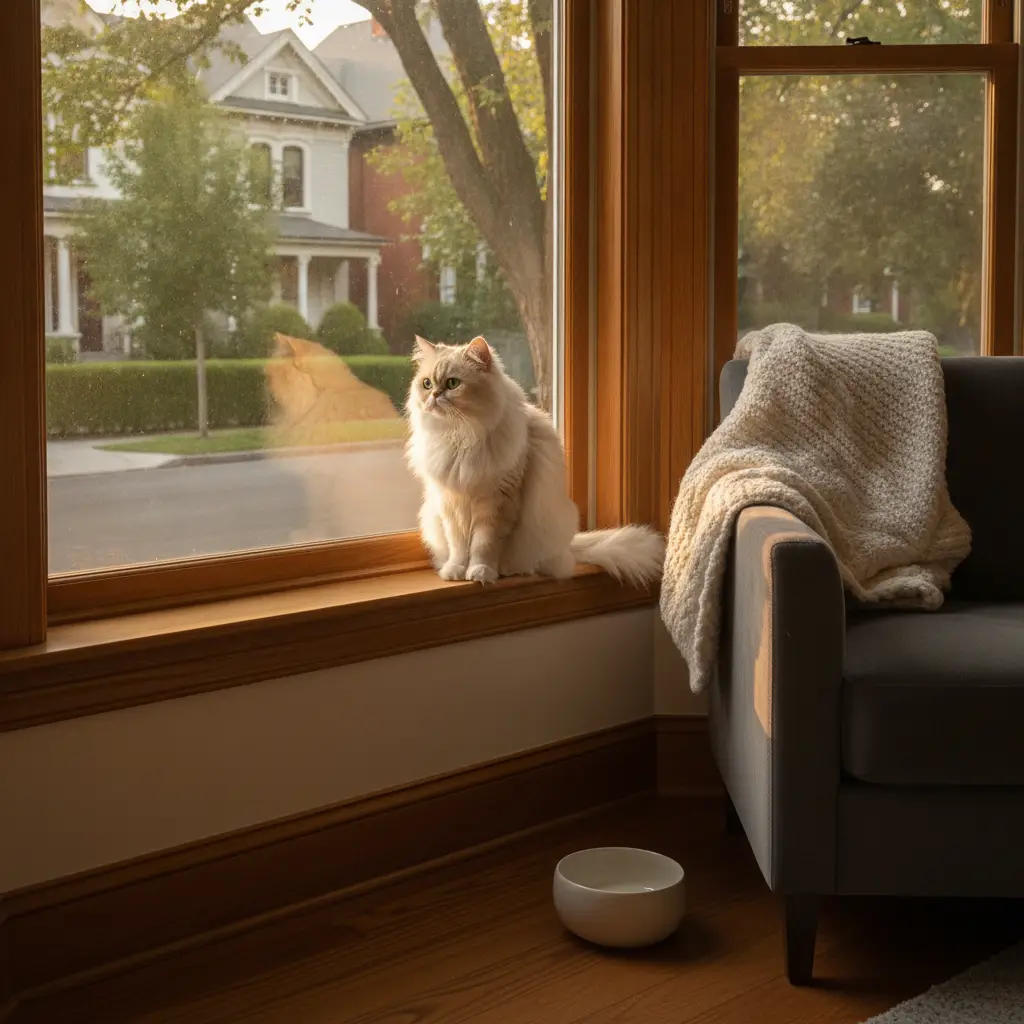


How to Find Cat-Friendly Apartments
Searching for an apartment when you have a cat shouldn’t mean compromising on a place you actually want to live. Yet if you’ve scrolled through listings that say “pets allowed” only to discover they mean dogs only, or require a deposit that nearly doubles your move-in costs, you know how frustrating this can be. Cat-friendly units are a smaller subset of already-limited pet-friendly inventory, and they move fast—so the earlier you start looking and the smarter you search, the better your odds of finding a home where both you and your cat can settle comfortably.
Start Your Search Early
Starting your search 6 to 8 weeks before your move-in date gives you a real advantage. The rental market moves quickly, and cat-friendly apartments especially don’t sit on the market long. Waiting until the last minute forces you to choose from whatever’s left, often at worse terms or with fewer amenities.
Starting early also buys you time to negotiate with landlords, gather documentation, and follow up on leads without rushing. It reduces stress and gives you real options instead of settling.
Use the Right Rental Platforms and Filters
Not all rental search platforms are equal when it comes to finding cat-friendly housing. Search terms like “cats welcome,” “feline friendly,” and “no breed restrictions” turn up listings that a generic “pet friendly” filter misses entirely.
When shopping for apartments, consider these rental search options:
- Dwellsy — allows you to create a pet profile with details like species, breed, size, and weight, then filters listings from the start so you only see apartments that match your cat’s profile. Listings that allow cats are clearly badged as pet-friendly upfront, which cuts down on wasted time chasing apartments that won’t work.
- Apartment List — has dedicated pet filters where you can select “Cats” specifically and see pet policies upfront before you even click on a listing.
- Zillow — offers pet filters alongside neighborhood context like nearby vet clinics, pet supply stores, and parks.
- Facebook Marketplace and Craigslist — particularly useful for finding privately-owned rentals, which sometimes have more flexible policies than corporate management companies.
- RentCafe — shows pet-friendly tags on listings, letting you quickly identify which properties accept cats.
Advanced filters on rental websites are your new best tool. You’re not just filtering for pets, you’re filtering for the right kind of apartment and amenities. Look for filters that let you narrow by pet type, then save your searches and set up alerts so new listings hit your inbox before anyone else sees them.
Understand Cat-Friendly Policies and Fees
Before you get attached to a listing, understand what you’re actually paying for. Many landlords charge a one-time pet deposit or monthly pet rent. Pet rent often ranges from $25 to $75 per month, while deposits can be several hundred dollars. Some landlords cap deposits at one month’s rent, while others set a flat fee per animal.
Not all properties charge the same way, and some don’t charge fees at all. Here’s what to look for:
Pet Deposits vs. Pet Rent
- Pet Deposits: If your lease states that your pet deposit is non-refundable, you make the one-time deposit and will NOT receive the money back when your lease ends, unlike a security deposit which you’ll likely get back.
- Pet Rent: Pet rent is a fee charged on a monthly basis and is separate from the pet deposit. This monthly charge covers the cost of your pet actually living in your rental.
Restrictions to Check
Some properties limit the number of pets per household to one or two pets total, no matter the type. Some rentals require that cats stay indoors at all times. Kittens may not be allowed in some properties due to concerns about damage or litter box training.
The good news: Cats typically face fewer restrictions than dogs. Fortunately, more and more properties are moving toward no breed restrictions for cats, recognizing that feline behavior varies more by personality than breed.
Call Ahead to Confirm Cat Policies
Don’t skip this step. Call the property before touring. Ask directly: “Do you allow cats specifically?” Many listings say “pets allowed” but mean dogs only. Confirming upfront saves everyone time.
When you call, also ask about:
- How many cats are allowed per unit
- Monthly pet rent or deposit amounts
- Whether deposits are refundable
- Any restrictions on litter box placement or cleaning requirements
- Whether there are limits on kitten adoption
This quick call clarifies whether the listing is actually worth your time.
Prepare a Strong Application
When landlords see “cat owner,” some get nervous. Your job is to ease those concerns by proving you’re a responsible tenant who takes pet ownership seriously.
Create a Cat Resume
This can include your cat’s name, breed, personality traits, training, certifications, or any routines you’ve established at home. Landlords aren’t used to seeing pet resumes, so when you submit one, it signals that you care. Include recent photos, vaccination records, spay/neuter documentation, and a reference from your vet.
Gather Documentation
Gather current vet records with vaccination information. Include any other relevant information, such as pet insurance, renters insurance, or other types of insurance that may cover costs if something related to your pet happens. Show that you are responsible pet owners by getting character recommendations from your vet and previous landlords. It can be as simple as a statement from your previous rental company showing how little damage you did to the apartment, or that you got all of your deposit back.
Offer a Higher Deposit or Damage Mitigation Plan
Offer a higher refundable security deposit in exchange for reduced or eliminated monthly pet rent, and present a damage mitigation plan alongside your cat resume. A damage mitigation plan might include how you manage litter box odor, prevent scratching damage, and keep the unit clean. When you show you’ve thought this through, landlords see a tenant who respects their property.
Consider Private Landlords vs. Corporate Management
Private landlords often provide more flexibility than corporate management, making personal judgment calls easier. Corporate management typically follows strict rules; private landlords have discretion to negotiate.
If you find an apartment you love but the listing says “no pets,” it’s worth reaching out, especially to a private landlord. Come prepared with references for your pet — from your vet, previous landlords, and neighbors. Offering to pay an extra security deposit might get the landlord to consider your application more favorably.
Look for Truly Cat-Friendly Features
The difference between “allows cats” and “truly cat-friendly” matters. A truly cat-friendly rental explicitly permits cats by name in the lease, has no vague breed or size restrictions that could apply to cats, and offers features like screened windows and hard floors.
Other signs of a genuinely cat-friendly property:
- Clear litter box policies: Most cat friendly rentals will have clear guidelines about litter box placement – typically requiring them to stay on hard surfaces rather than carpeting. They might also outline expectations for cleaning frequency to maintain a fresh-smelling home.
- Pest management: If the building has regular pest control and ventilation systems, it shows they’re thinking about odor and cleanliness—both important for cat-friendly living.
- Quiet common areas: Pet waste stations and quiet common areas are signs the management has planned for pet owners.
- Neighborhood safety: Assess the neighborhood. Proximity to green space, low traffic streets, and cat-friendly neighborhoods with walkable sidewalks matters for your quality of life even if your cat stays indoors.
Know Your Rights Around Emotional Support Animals
This is worth knowing even if it’s not your situation. Not every renter knows that certain cats are legally protected from blanket no-pets policies. Under the Fair Housing Act, landlords must accommodate assistance animals, which includes emotional support cats, even in buildings that otherwise prohibit pets. You are not required to pay pet fees for a documented emotional support animal. You are required to provide documentation from a licensed mental health professional.
However, do not attempt to misrepresent a pet as an emotional support animal. It damages trust, and landlords are increasingly savvy about verification.
FAQ
What’s the difference between a pet deposit and pet rent?
A pet deposit is a one-time fee, usually non-refundable, that you pay upfront when you move in. Pet rent is a monthly charge that’s separate from your regular rent. Some landlords charge both, some just one, and some charge neither. Always clarify which applies to your lease.
Why do some listings say “pets allowed” but then exclude cats?
You see “pets allowed” in a listing, get excited, then discover that dogs are welcome but cats are not, or that there’s a two-pet maximum you didn’t expect, or that the pet deposit doubles your move-in costs. Always confirm cat policies directly rather than assuming generic “pet-friendly” language includes your cat.
Should I apply for apartments that don’t explicitly say they allow cats?
It’s worth asking. If you see a home you’re interested in that doesn’t specify if cats are allowed, don’t be afraid to reach out to the property management or landlord; it never hurts to ask.
How soon before moving should I start my apartment search?
Give yourself plenty of time to search. Starting early means less stress and more chances to find the perfect fit for you and your cat companion(s). Six to eight weeks is ideal, but at least a month gives you a real shot at options.
Are cats actually easier to rent with than dogs?
“Cat-friendly” typically comes with fewer strings attached. Cats are seen as lower risk for noise complaints and property damage, so you’ll find more flexibility with multiple cats or fewer restrictions overall. That said, landlords still have their own rules, so always verify upfront.