
How to Keep Your Pet Safe During Apartment Maintenance
Apartment maintenance is inevitable—whether it’s HVAC work, plumbing repairs, or pest control—but it doesn’t have to stress you out or put your pet at risk. The key is planning ahead and knowing what to expect. When you’re prepared before the maintenance crew arrives, you can keep your pet safe, comfortable, and out of harm’s way.
Create a Dedicated Safe Space
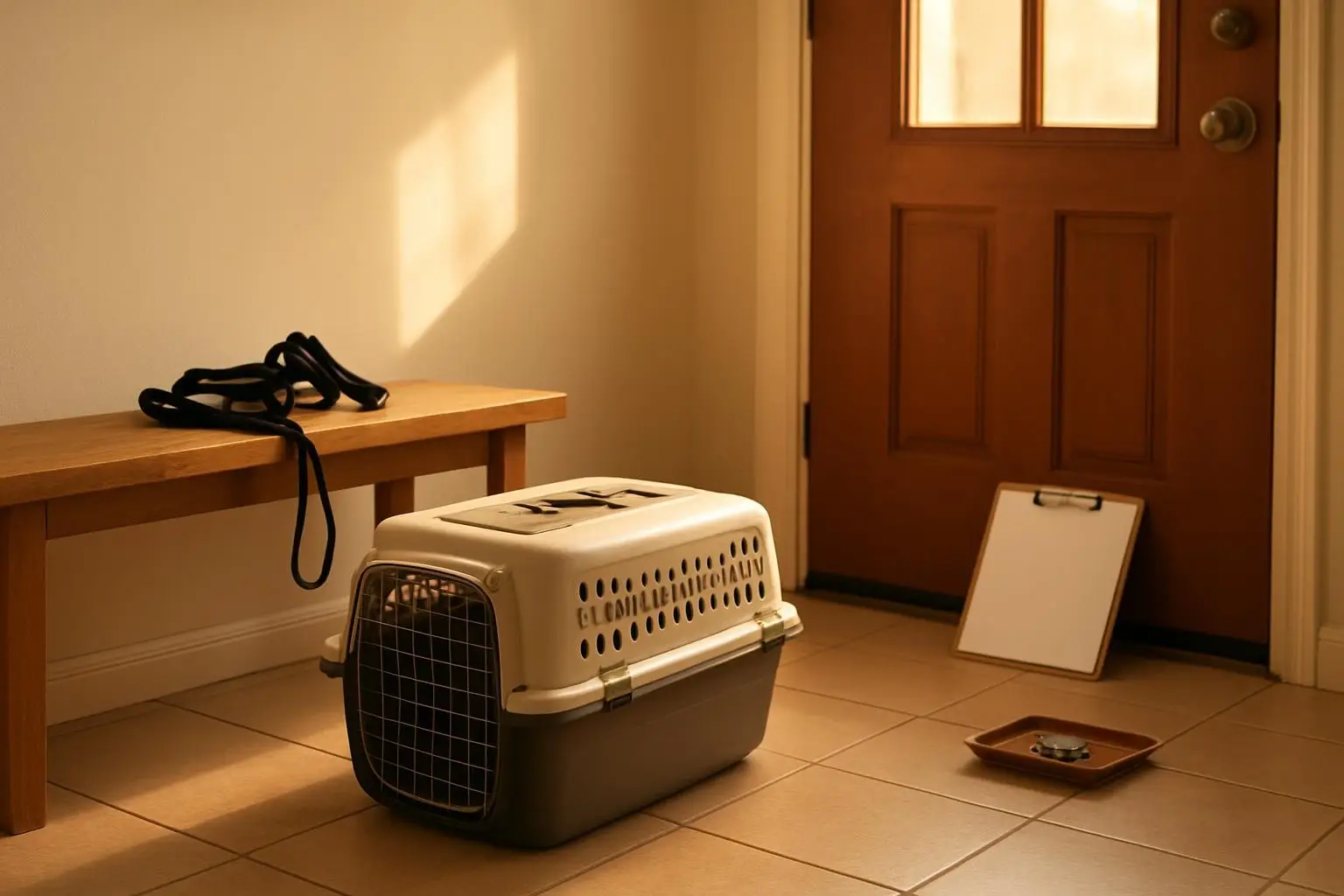
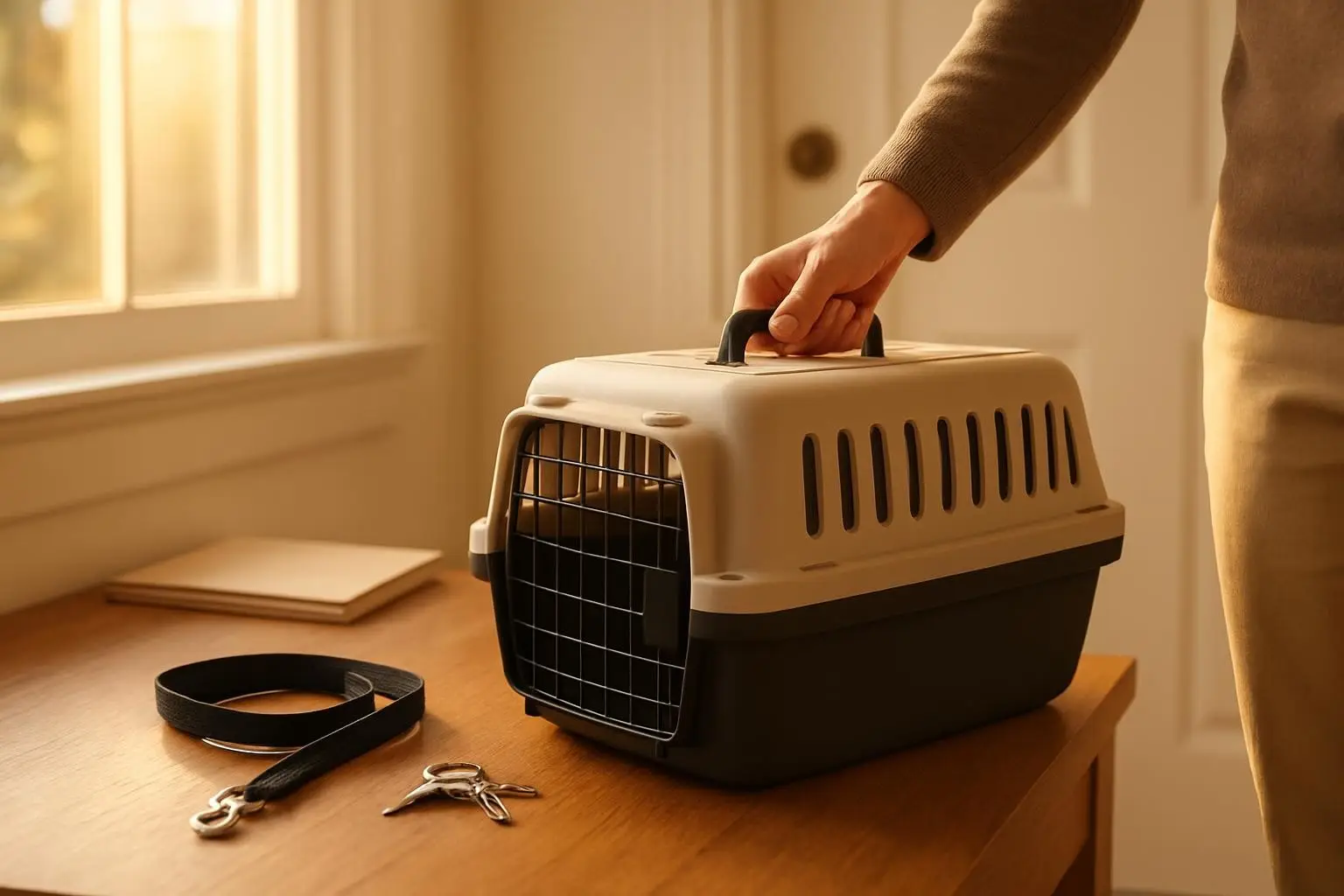
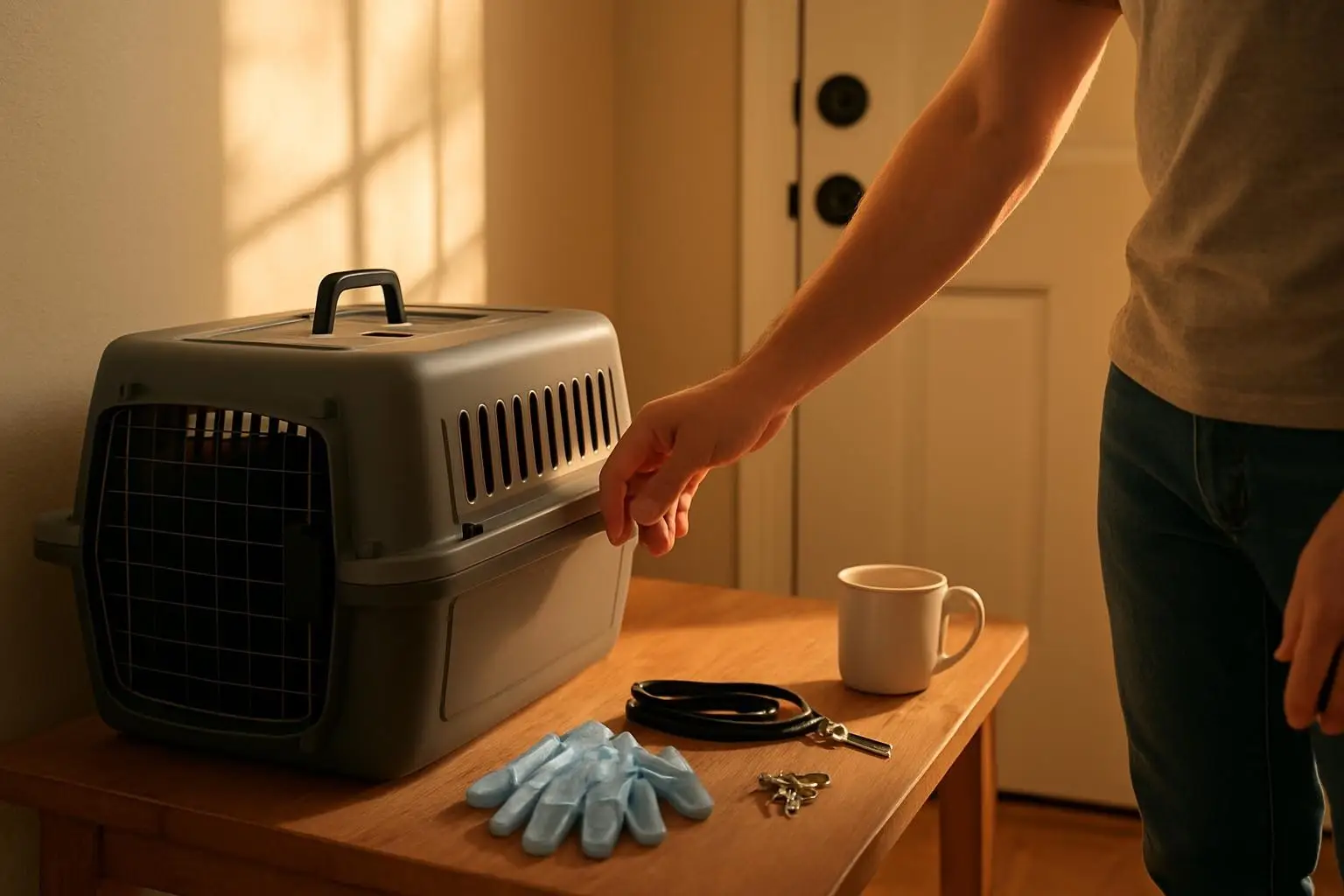
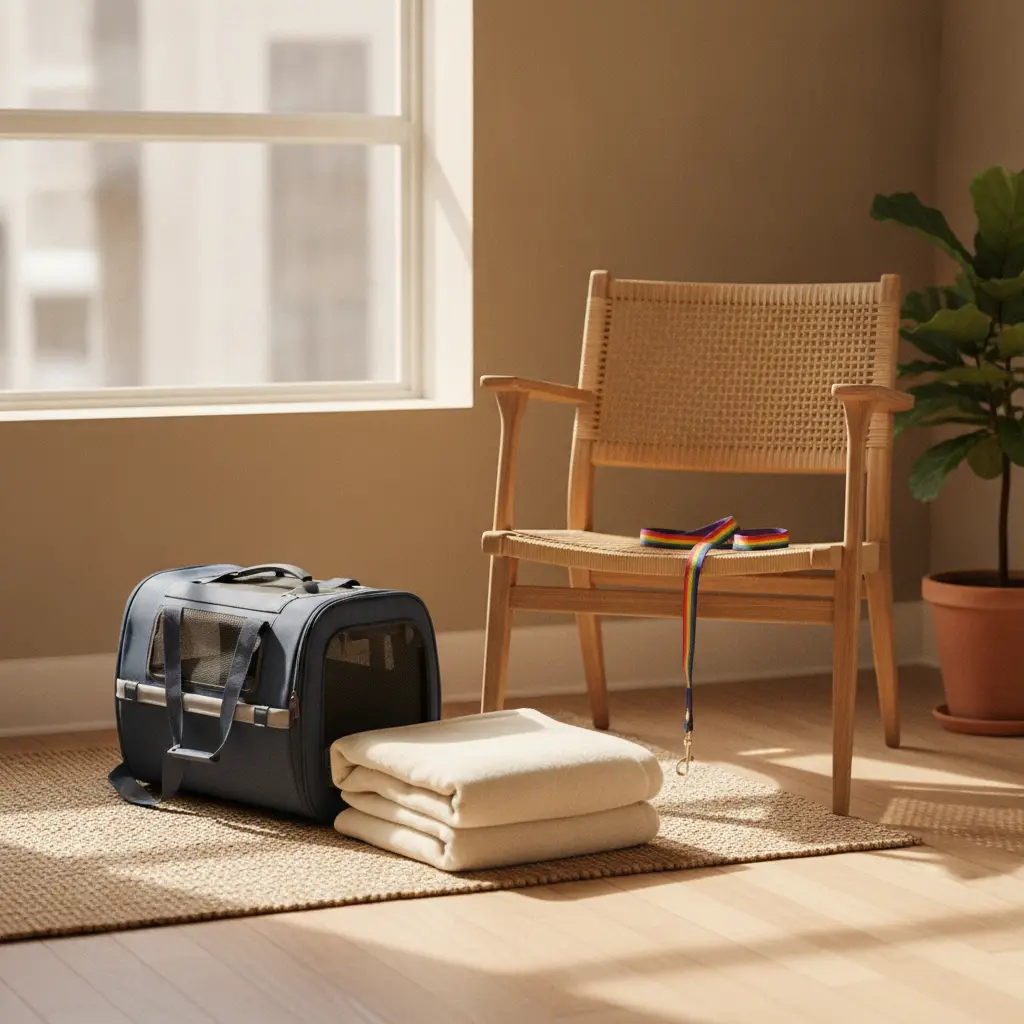
If your dog or cat dislikes strangers, you may want to take them out of the apartment, or if that’s not an option, keep the pets in a safe location away from the workers from the requested times of work. The best approach is to set up a secure room—ideally one that won’t be affected by the maintenance work. This room should have:
- Food, water, and bowls that are easily accessible
- A litter box or pee pads (if needed)
- Toys, bedding, or familiar items to reduce anxiety
- A “Do Not Enter” sign on the door to remind maintenance workers
If your pet is extremely anxious around strangers or unfamiliar activity, consider boarding them for the day or arranging for a friend to pick them up during the work window. This eliminates stress for both your pet and the maintenance team.
Communicate Your Pet’s Presence to Maintenance Staff
Give Advance Notice
When you receive a maintenance notice or schedule an appointment, immediately inform your landlord or property manager that you have a pet. Most jurisdictions require landlords to provide advance notice, typically 24 to 48 hours, before entering the unit. Use that time to prepare. Mention your pet’s species, size, temperament, and any special considerations (like anxiety or aggression toward strangers) so the crew can plan accordingly.
Ask Questions Before Work Begins
If the maintenance involves pest control or chemical treatments, ask specific questions before the work starts:
- What products or chemicals will be used?
- How long do the products need to dry before pets can re-enter?
- Are there areas pets should avoid even after drying?
- Does the company have experience working with pet-friendly applications?
Request the Safety Data Sheet for any product being used and confirm it is safe for cats before treatment begins. The same applies to dogs and other pets. Don’t assume—ask directly and get information in writing if possible.
Managing Chemical Treatments and Pest Control
Before Chemical Treatment
To minimize the risk of harm to your pet, remove pets from any areas that you plan to treat with pesticides before applying or mixing the product. Beyond just removing your pet, also remove pet toys, bedding, food and water bowls from the area.
For aquatic pets or birds, cover their cage and tank with a sheet or towel to prevent the entry of airborne particles or vapors of the sprayed pesticides into their cage or tank.
During Treatment
During indoor pesticide applications, remove all pets from the home or keep them in untreated areas of the home. If you use foggers (bug bombs), always remove all animals from the house. This is non-negotiable for your pet’s safety.
If the treatment is happening outside (like outdoor pest control or exterior work), keep your pets indoors. Conversely, if indoor work is occurring, keep pets in an outdoor area if it’s safe to do so.
After Chemical Treatment
Keep pets away from treated areas for the amount of time specified on the pesticide label or until any sprayed pesticides have dried completely, whichever is longer. This can range from one to two hours or longer depending on the product. For most pest treatments, it’s best to keep pets, livestock, and people out of the treated area until the treatment dries. This can take one to two hours, but you should talk to your licensed professional for precise guidance on timing based on the treatment they use.
Once the area is dry and you’ve received clearance, wash your pet’s bedding and toys that may have been exposed. If your pet has sensitive skin or has been in a treated area, a quick bath can help remove any residual chemicals.
HVAC and Major System Maintenance
HVAC work, plumbing repairs, and other system maintenance might seem less concerning than pest control, but they still require preparation. Maintenance crews will need access to closets, ducts, and potentially crawl spaces where your pet might escape or get startled.
Secure your pet in a locked room far from where work is happening. Open doors or access points during maintenance can create escape opportunities, especially if your pet panics from noise or unfamiliar activity. This also protects your pet from accidental injuries caused by moving equipment or open vents.
Preparation and Pet-Proofing
Before Maintenance Arrives
- Make sure your pet is wearing a collar with an ID tag or is microchipped. Microchip your pet or use a collar with an ID tag in case they slip out during a move or maintenance visit.
- Know your vet’s emergency contact and where the nearest emergency vet is located, just in case something happens during maintenance
- Close windows and doors securely—maintenance crews may prop doors open, creating escape routes
- Remove any medications or toxic household items from accessible areas, as they might be moved or exposed during work
- Take photos of your apartment’s condition before work begins (with and without your pet visible) for documentation purposes
During Maintenance
Stay in your apartment or check in periodically if you must leave. Your presence helps protect your pet and allows you to intervene if something goes wrong. If you do leave, leave your phone number with the maintenance crew and specify which room your pet is in.
Document Everything
The other thing most renters overlook is documentation. Photographing your apartment at move-in, keeping records of every maintenance request you submit, and maintaining a written cleaning log transforms you from a liability in a landlord’s eyes into a reliable tenant. After maintenance involving chemicals or treatments, take photos showing:
- The condition of your space before and after
- Any treated areas
- Your pet’s safe room setup
Keep all paperwork from the maintenance visit, including what was done, what products were used, and any post-treatment instructions. This creates a record if any issues arise later.
Know Your Rights and Responsibilities
The most effective cat-friendly apartment maintenance happens when tenants and landlords treat it as a shared responsibility with clear written terms. Verbal agreements do not hold up when a dispute arises over pet damage. A signed pet addendum should specify who handles what: the tenant cleans and prevents damage, the landlord maintains building systems and approves pet-safe treatments.
Understand what your lease says about maintenance access and your pet’s status in the unit. Having these details clear upfront prevents misunderstandings when maintenance day arrives.
FAQ
What should I do if my pet gets sick during or after maintenance?
If your pet shows signs of poisoning, difficulty breathing, tremors, or unusual behavior after chemical treatment, contact your veterinarian or the ASPCA Animal Poison Control Center at 888-426-4435 immediately. Provide details about what chemicals were used and when exposure occurred. Don’t wait to see if symptoms improve on their own.
Can I refuse maintenance entry if I’m worried about my pet’s safety?
No—landlords have the right to enter for essential maintenance, repairs, and inspections with proper notice. However, you can request specific accommodations like scheduling around your pet’s routine, requesting pet-friendly products, or asking for extra notice to arrange boarding. Communication is your best tool here.
How can I keep my pet safe during pest control if I can’t take them out of the apartment?
Confine them to an untreated room that’s as far from the treatment area as possible. Close all doors between rooms, cover vents if safe to do so, and keep their space secure. Ask the pest control company to use pet-friendly products and confirm which areas will be treated so you can keep your pet away from those spaces during and after application.
Is it normal for my pet to be anxious around maintenance workers?
Yes—unfamiliar people, strange noises, and disrupted routines naturally stress pets out. Keeping your pet in a quiet, secure room away from the activity helps reduce anxiety. If your pet has severe anxiety around strangers or new situations, ask about boarding options or having a friend sit with your pet in a separate space during maintenance work.
Who pays if my pet is injured during maintenance?
This depends on your lease and local tenant laws. If the maintenance worker was negligent or violated your pet policy, your landlord may be liable. Document everything, keep vet records, and report the incident to your landlord in writing immediately. Having a clear pet addendum in your lease helps clarify these responsibilities beforehand.