
How to introduce a new cat to your rental apartment
Moving to a new apartment with a cat comes with its own set of challenges and rewards. Your cat is part of your family, and their comfort during the transition matters just as much as yours. So how do you help them settle in without stress, and what does the process actually look like?
Prepare Before the Move
Getting ready starts before you even step foot in your new apartment. If you’re moving to a different city or state, take your cat for a check-up at the vet to ensure your cat is healthy and up-to-date on all vaccinations. Your vet can provide helpful advice on making your cat more comfortable during the move and may provide a sedative to calm your cat during the journey if necessary.
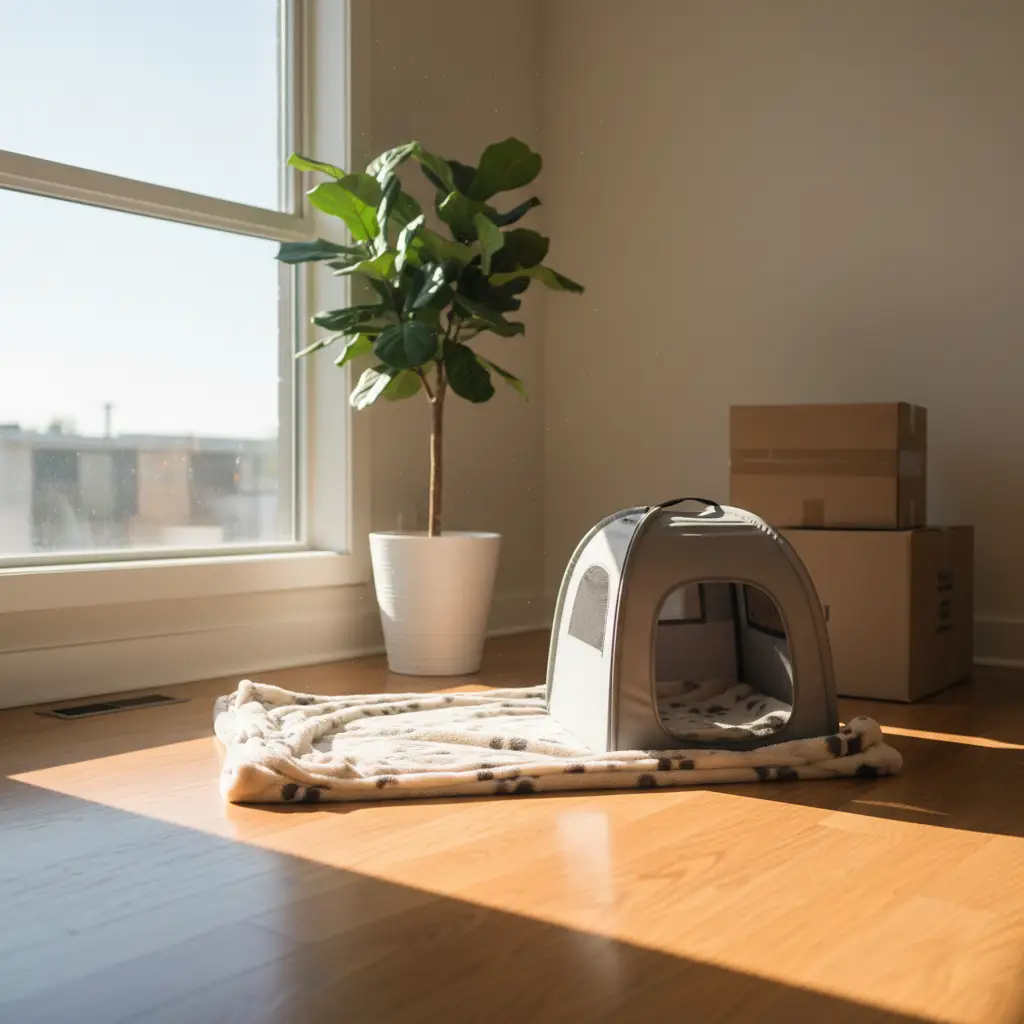
Set up a safe room in your new apartment that should have everything your cat needs — food, water, a litter box, and their favorite toys. The scent of familiar items will provide comfort and security in the new environment. Some good areas for this safe room might be a bathroom, bedroom, large or spare room. Placing an item or two of yours with a familiar smell, such as a blanket or sweater from home, can also help your cat feel more at ease.
Transport Your Cat Safely
The journey itself matters. Secure your cat’s carrier in your vehicle where you can keep an eye on them during the journey to their new home. Limit the time your cat is in the carrier as much as possible, and make sure they have plenty of water and ventilation. This will help prevent any accidents or discomfort during the trip.
Start Them in a Safe Room
When you arrive, once your cat is comfortable in their safe room, gradually introduce them to the rest of the apartment. Let them explore one room at a time. This slow introduction will allow your cat to adjust to the new sights, sounds, and smells without feeling overwhelmed. In general, your cat should stay in the “safe room” for at least the first week.
Have the litter box ready when you remove the cat from the carrier. Show him the location of the litter box. Offer a bowl of water but do not provide food for an hour.
Your cat may be bewildered, fearful or curious. Do not overwhelm him with attention or demands.
Maintain Their Routine
Cats thrive on routine. Moving can disrupt their daily schedule, so try to stick to your cat’s usual routine as much as possible. This means feeding them at the same time, playing with them, and giving them attention as you usually do. Feed and play with your cat at the same times they are used to. Predictability is one of the fastest ways to help a cat feel safe in an unfamiliar environment.
Keep their diet consistent. Changing food on top of a big move is a reliable way to cause stomach upset. Stick with the same food for at least a few weeks after the move.
Gradually Expand Their Territory
When the cat seems ready to venture out of his room, let him explore at his own pace. He will probably walk around carefully smelling every nook and cranny. Begin by allowing them to explore one room at a time, supervising their movements and offering reassurance. This measured approach helps your cat feel secure and confident in their new surroundings.
Use Positive Reinforcement
Encourage your cat to explore their new apartment with positive reinforcement. Use treats and toys to create a favorable association with their new environment. Reward them for venturing out of their safe space, building their confidence and encouraging further exploration.
Introduce Other Pets Slowly
If you have another cat in the house, it’s best to take a slow, staged approach to introductions. When you first bring the new cat home, put the resident cat in a separate room to give the newcomer time to check out the house without interference. You should keep the cats in different rooms for some time, so they can get used to the sounds and smells of each other before meeting face to face.
Start by taking a blanket or pillow from each cat’s bed and swapping them so they can smell each other. Then, place the cats in each other’s designated area for a short period of time so they can smell each other without actually seeing each other.
Consider Pheromone Diffusers
Consider a pheromone diffuser. Synthetic feline facial pheromones, available as plug-in diffusers or sprays, can help some cats feel more settled in a new space. The evidence on their effectiveness is mixed and results vary by cat, but they are safe and worth trying, particularly for anxious cats.
Be Patient With the Timeline
Each cat is different, and the time it takes for them to adjust to a new apartment will vary. Some cats may feel comfortable within a few days, while others may take weeks or even months. It’s important to be patient with your cat and give them time to acclimate at their own pace.
Anxious cats, cats that have never traveled before, or cats that experienced a difficult journey will typically take longer. Most cats reach a comfortable baseline within a few weeks. Some need a month or two, and that is not unusual.
Cat-Proof Your Space
Before your cat has full run of the apartment, make sure it’s safe. Check your home for any potential hazards. For instance, make sure you don’t have any plants or flowers around the house that can be toxic to cats. Lilies can be particularly dangerous to cats and cause kidney failure if exposed. Cats are clever and can sometimes open cabinet doors by swiping their paws underneath. Consider using childproof locks to help keep your cat from getting into cleaning supplies and other harmful chemicals.
Ensure that all windows are secure and equipped with screens to prevent your cat from escaping. Cats are inherently curious and may be tempted to explore their surroundings from a higher perspective. Securing windows is a crucial safety measure to prevent any accidents during the adjustment period.
FAQ
How long should I keep my cat in the safe room?
In general, your cat should stay in the “safe room” for at least the first week. Kitty should continue to stay in his room, usually a second week will suffice for an adult cat, but longer for kittens.
What if my cat hides during the first few days?
Don’t worry if your new cat wants to hide once they are in the new space. As long as they have access to everything they need, they will start to warm up to your apartment. Cats often seek out hiding spots when they feel stressed or overwhelmed. Provide your cat with cozy hiding places, such as boxes or cat caves, where they can retreat when they need a break. These safe havens offer comfort and security, allowing your cat to manage their stress effectively.
Should I introduce my new cat to other people right away?
It’s important to limit handling for the first few days while she adjusts. Introduce one family member at a time, allowing the kitten to come to each person gradually.
When should I call a vet?
Schedule a visit with your new vet within the first week after arrival regardless of how your cat seems.
Can I move the litter box once my cat is settled?
Once your new pet gets free roam of the house, you will most likely want to move the litter box to its permanent location. Any time you move the litter box, you should put the cat in the box (at the new location) and let him explore from that reference.