
Dog Anxiety on Flights: What Actually Helps
Flying with your dog can feel overwhelming—all the new sounds, the confined space, and separation from familiar routines can hit them hard. Understanding what triggers dog anxiety on flights and how to manage it makes a real difference in whether your pup arrives at your destination stressed or reasonably calm. If you’re preparing for a flight with your anxious dog, you’re not alone, and there are actual steps that work.
Why Flights Trigger Anxiety in Dogs
The unfamiliar noises, confined spaces, and bustling environment at airports can trigger stress in our beloved companions. But it goes deeper than just the plane itself. From your pet’s point of view, air travel is a long chain of confusing events. At the airport, trolleys rattle, people rush, children shout, and loudspeakers boom. Security staff may move the carrier or ask you to lift your pet out. Strong smells from cleaning products, food, and perfume fill the air. On the plane, engines roar, the cabin vibrates, and pressure changes can make ears feel strange. Lights dim and brighten. If your pet travels in the cabin, they can see you but cannot sit on your lap. If they travel in the hold, they are alone in an unfamiliar space.
Just like humans, they will encounter a change in air pressure which can lead to painful ear popping which can make the flight a little more stressful. Some dogs also struggle with the loss of their normal routine, being separated from home comforts, and the hypervigilance that comes from not knowing what’s happening. For dogs that are already anxious at home or nervous in new situations, flying amplifies everything. Anxiety at home also tends to worsen during travel, so addressing both with consistent supplements and training helps overall. Related topics like car anxiety and general nervousness play a role too—dogs with one type of travel anxiety often have others.
Signs Your Dog Is Stressed During Flights
Not every anxious dog will show the same signs, but here are what to watch for:
- Excessive panting or heavy breathing
- Whining, crying, or vocalizing
- Drooling or pacing (when possible in the carrier)
- Trembling or shaking
- Refusing to eat treats or food
- Restlessness or inability to settle
- Vomiting or diarrhea
- Yawning repeatedly (a stress signal often missed)
Keep an eye out for signs of stress such as panting, pacing, or restlessness. Some dogs will hide—trying to burrow into their carrier or avoid eye contact. Others become hyperactive or clingy. The key is knowing your dog’s baseline so you can spot when something is off. Even subtle changes matter.
How to Prepare Your Dog for Flying
Preparation is everything. Ideally, prepare 4 to 6 weeks before your trip so your dog can get comfortable with the process.
**Get a vet checkup.**
Consult your veterinarian to create the best travel plan for your dog if he does not travel well. Schedule a vet visit to confirm your dog is healthy enough to fly. Most airlines require a health certificate for domestic travel dated within 10 days of your flight. This is also the perfect time to ask about calming options and whether your dog is physically suited for air travel.
**Familiarize your dog with the carrier.**
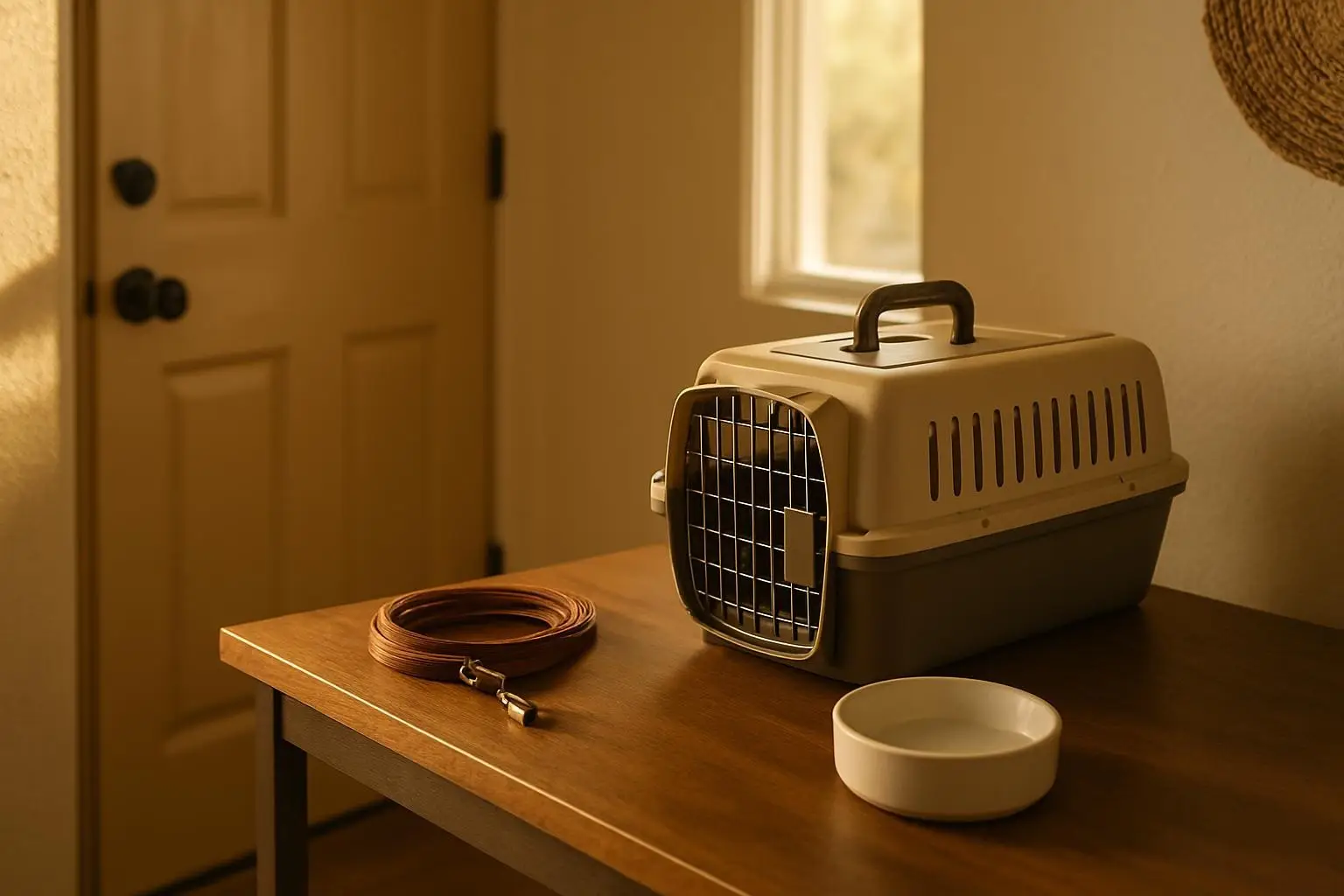
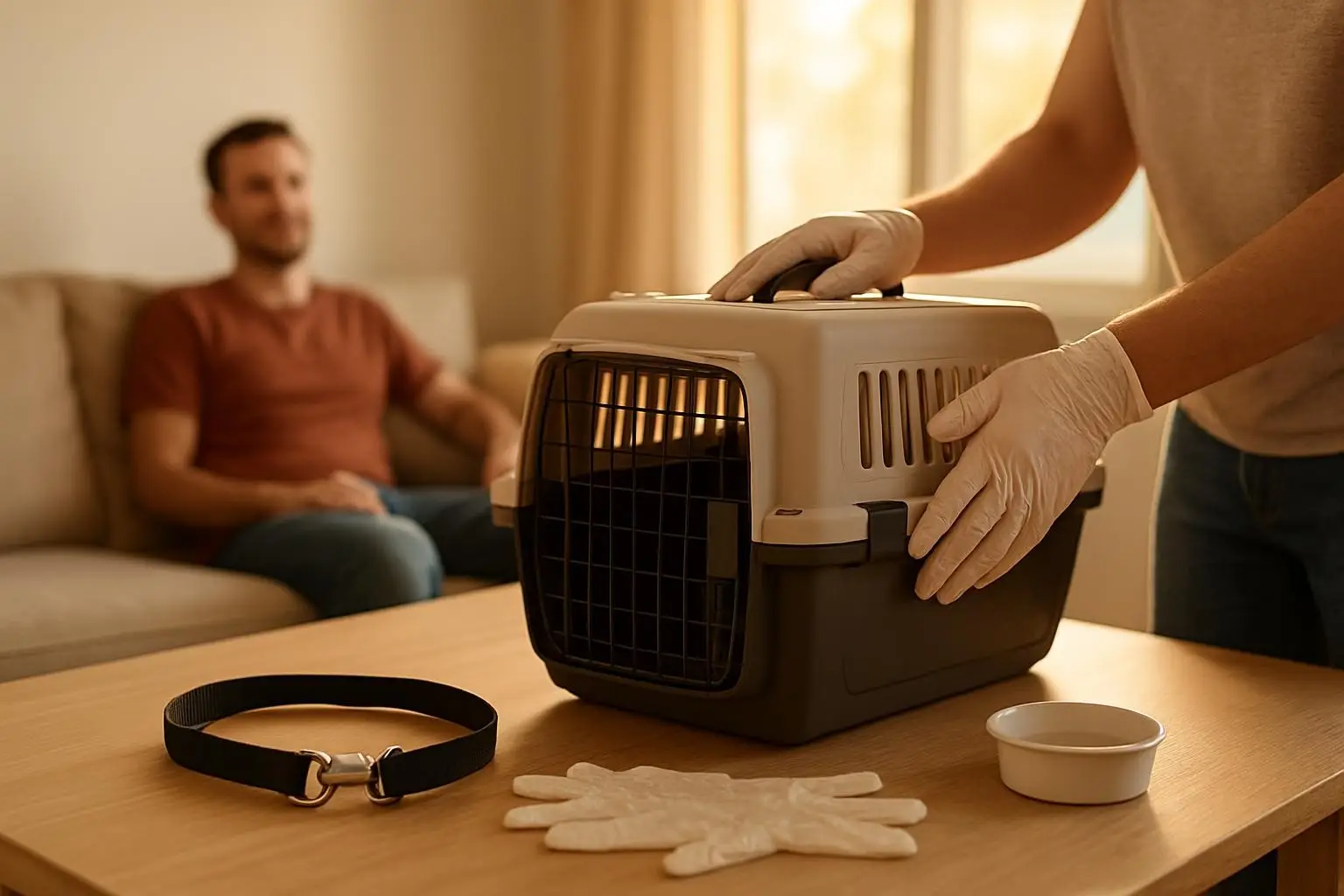
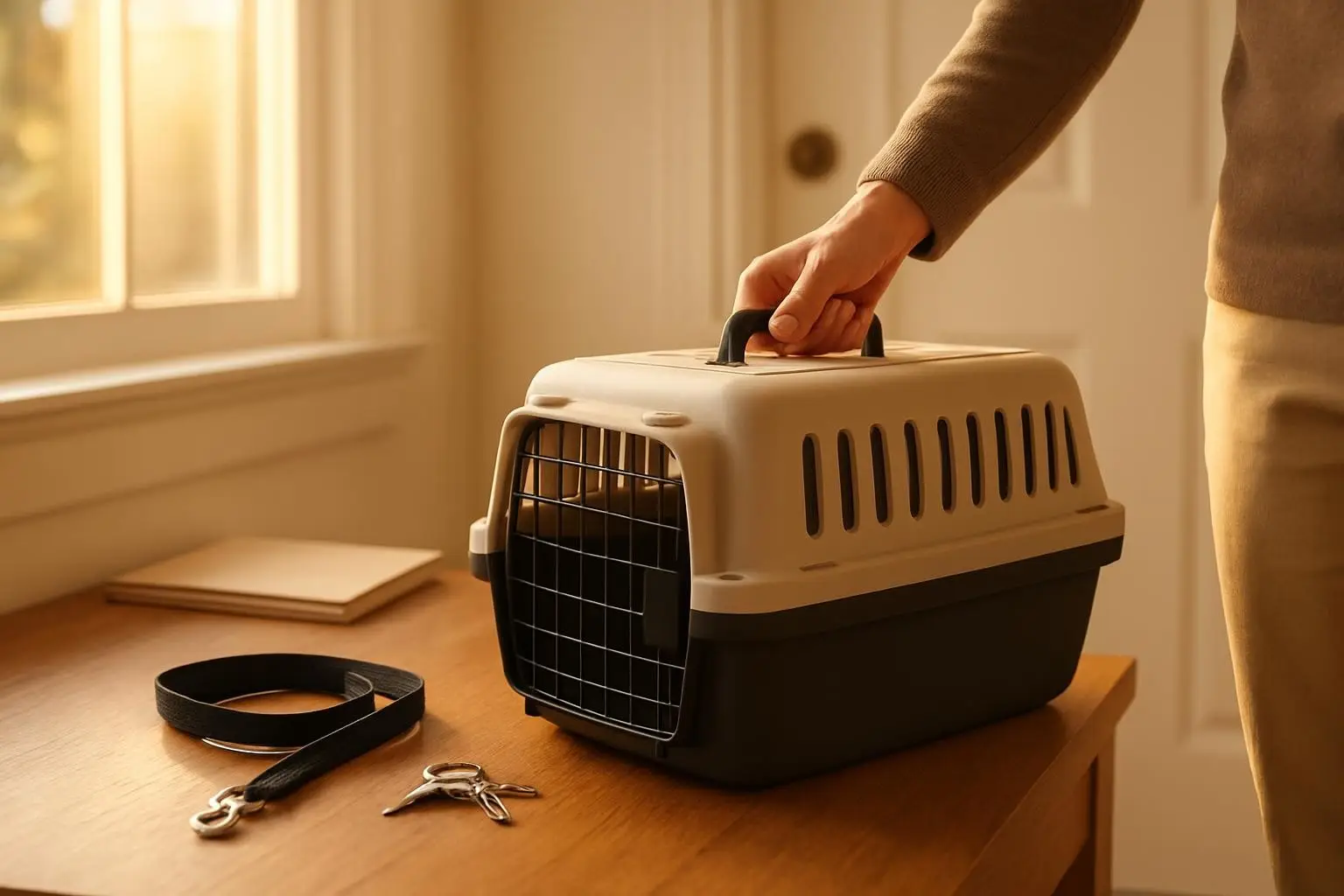
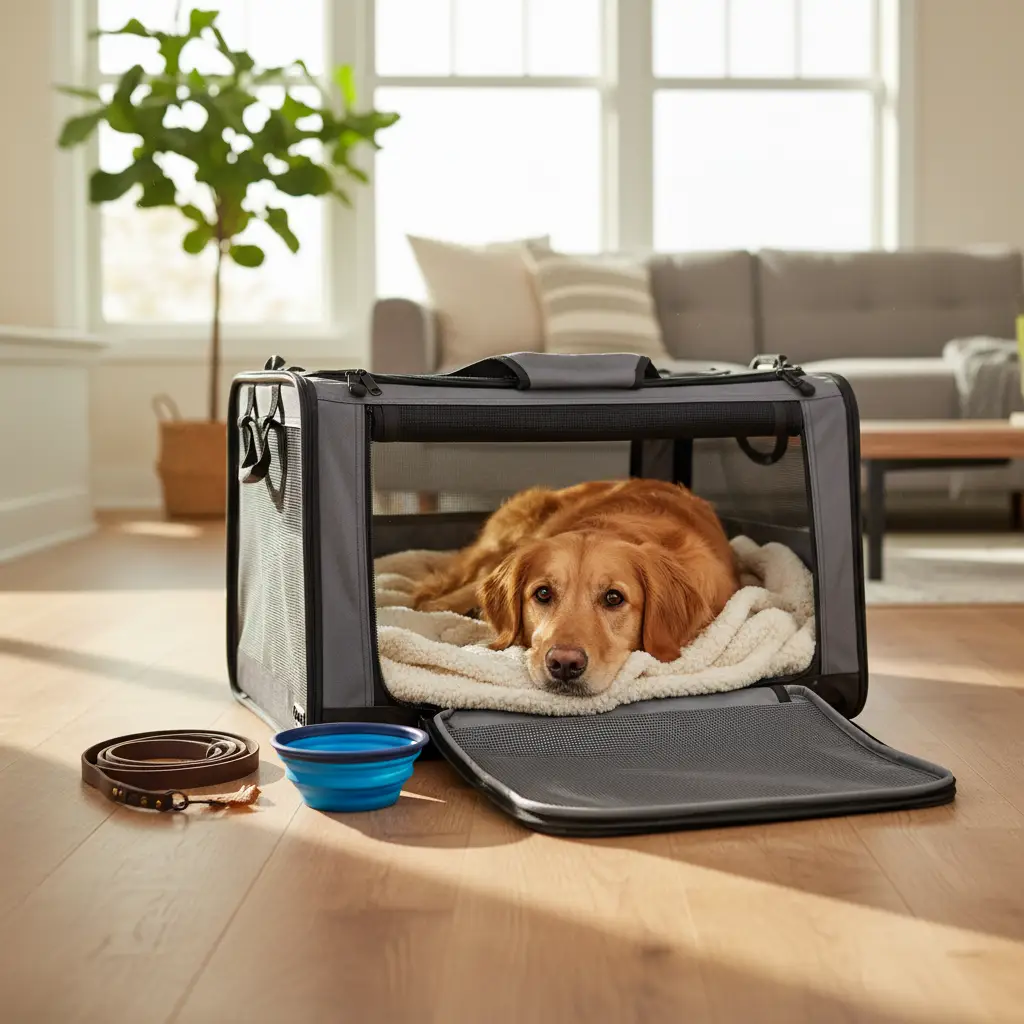
Acquire your dog’s travel carrier well before your trip. Consider a relatively soft-sided travel carrier, as it is more “forgiving” for fitting under the airline seat, but not one that will collapse on your pet and make them uncomfortable. Leave it open at home for weeks so your dog can explore it. Toss treats in, play games, and let them nap inside. This turns the carrier from a scary thing into something familiar.
**Visit the airport beforehand.**
Visiting the airport prior to your departure is an excellent way to familiarize your dog with the airport environment. You can take your dog for a walk outside to get them used to the usual sights, sounds, and smells of the airport, such as planes taking off, the many people coming and going, etc.
**Make the carrier comfortable.**
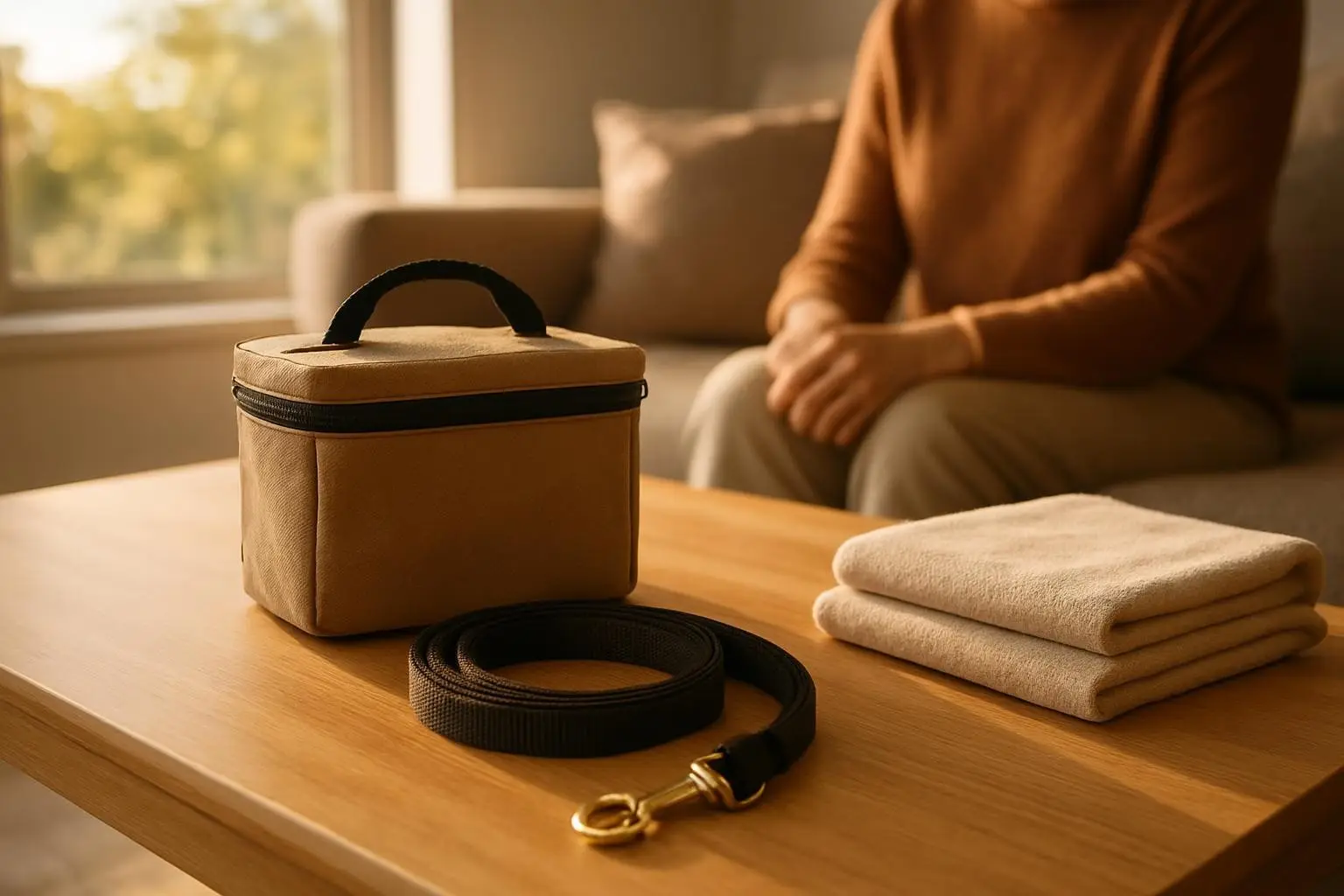
Place your dog’s favourite blanket inside the carrier for extra cushioning. The familiarity will provide your anxious dog with both security and comfort. Bring familiar items such as a favorite toy or blanket to provide comfort and a sense of security.
**Use a compression wrap or anxiety vest.**
A Thundershirt® swaddles a dog much like an infant is swaddled and can reduce anxiety. These work on the same principle as swaddling a baby—gentle pressure can be genuinely calming. Some airlines allow them under the seat, so check first.
**Practice staying calm around your dog.**
Flying with a dog may seem simple, but you need plenty of prep to ensure a calm, safe flight. Putting the work in ahead of time will also make you less nervous, which will in turn help keep your pup calm in the air. Dogs pick up on your anxiety instantly. If you’re tense about the flight, they will be too.
Supplements for Flight Anxiety for Dogs
If preparation alone isn’t enough, supplements can help take the edge off. Calming treats and supplements may include ingredients such as L-theanine, alpha-casozepine, tryptophan, melatonin or specific plant extracts.
**L-Theanine**
Found naturally in green tea leaves, this amino acid promotes relaxation without sedation—a crucial distinction for pet parents who want their dogs calm but still able to enjoy normal activities. There have been several veterinary studies that showed L-theanine to have benefits in dogs, including reducing fear of strangers, noise phobia, and storm phobia. It works well for dogs who need to stay alert but less panicked.
**Melatonin**
Melatonin supplements have been used to reduce situational fear and anxiety and dogs, such as during veterinary visits, thunderstorms, and fireworks, as well as to promote sleep in dogs who are restless overnight. Make sure that any melatonin product does not contain xylitol, a class of sweetener that is highly toxic for dogs.
**Chamomile and Herbal Blends**
Chamomile has soothed anxious nerves and upset stomachs for centuries in humans, and it works just as well for pets. This gentle herb contains compounds that bind to brain receptors, producing mild sedative and anti-anxiety effects. It’s especially helpful when travel anxiety comes with nausea.
**Pheromone products**
A pheromone calming collar can help lower anxiety (Adaptil®). These products can be particularly effective for travel anxiety, noise phobias, and multi-pet households.
**Where to get supplements**
When shopping for flight anxiety supplements, 1800PetMeds carries a wide range of calming options and you can get 20% off using code WELCOME20 at checkout. Zesty Paws offers free shipping on orders of $60 or more, and BudgetPetWorld offers 12% off sitewide with free shipping plus extra savings on auto-order for supplements you need regularly.
**Important: Test before the trip**
Whatever supplement you choose, test the medication at home, before your trip, so you know how your dog will react. Some dogs become drowsy, others feel calm but alert—responses vary. A quiet day at home is the time to figure out what works for your dog.
What to Avoid Before Flying
Knowing what not to do is just as important as knowing what to do.
**Don’t use full sedation.**
One common misconception is using sedatives to calm anxious dogs during flights. However, sedation can pose risks and complications for pets during air travel. The American Veterinary Medical Association does not recommend sedation for flying pets and many airlines will make you sign a paper confirming you have not sedated your pet. The American Veterinary Medical Association (AVMA) advises against sedation for safety reasons, primarily due to possible respiratory or heart issues from altitude fluctuations.
**Don’t overfeed before the flight.**
On the day of travel, do not feed your dog breakfast. Traveling on an empty stomach minimizes the risk of nausea and vomiting. A full stomach plus movement and stress is a recipe for an accident in the carrier. It’s usually best to feed your dog roughly 5 to 6 hours prior to flying.
**Don’t skip hydration, though.**
Your dog should have access to water until flight time. Water should also be available while your dog is inside the crate, with a water dish attached that can be filled without having to open the crate door.
**Don’t bring loud or unsafe toys.**
Avoid packing any toys that make noise as you don’t want to disrupt other passengers. One of the requirements of flying with dogs is that they must be quiet and well behaved. You don’t want to get in trouble with flight attendants as they have the right to remove disruptive pets.
**Don’t skip the paperwork.**
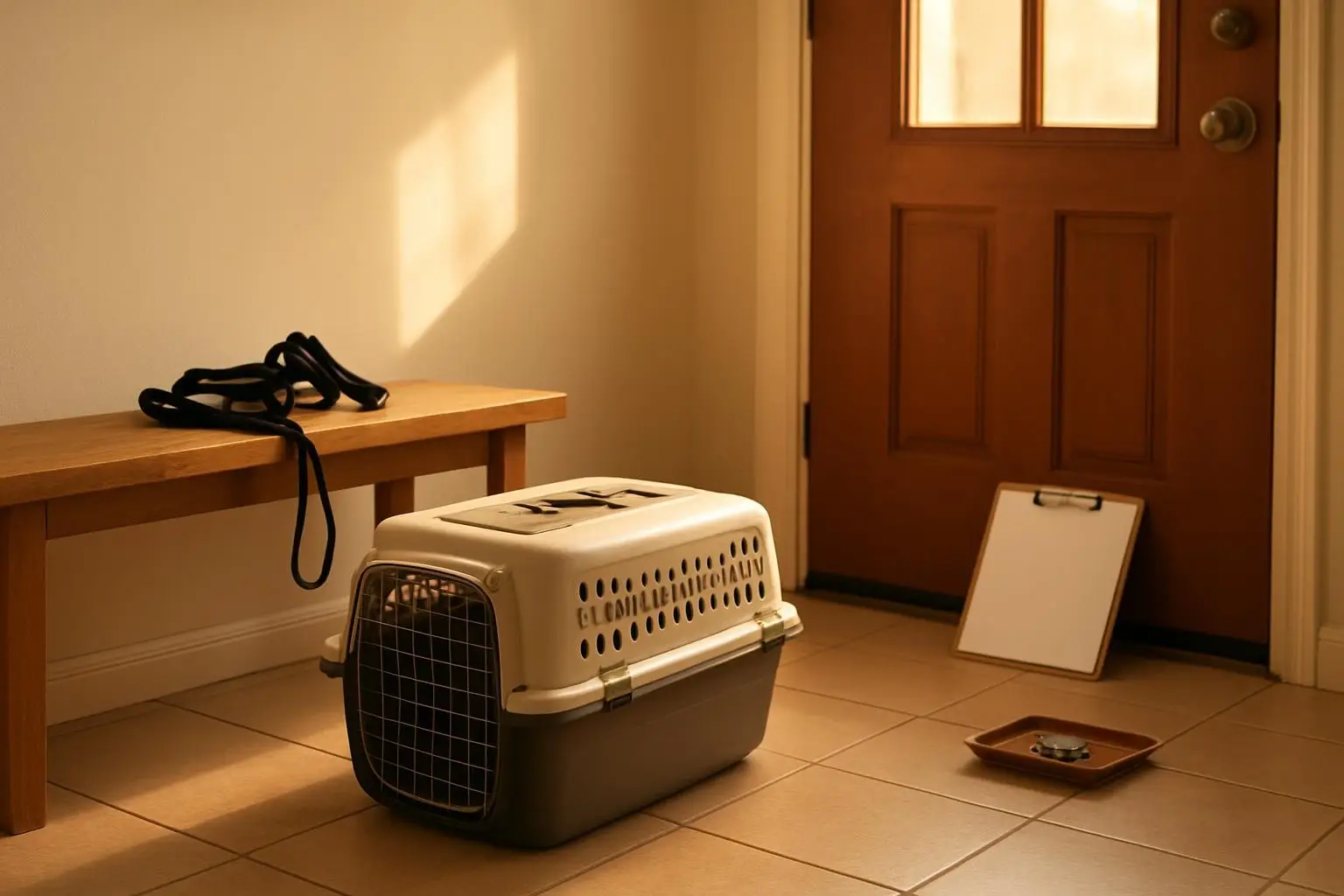
Determine what paperwork you must have for travel, including vaccination records and a health certificate for travel. Different airlines and destinations have different rules. Double-check weeks in advance so you’re not scrambling at the gate.
**Don’t assume your anxiety won’t affect your dog.**
Your dog feeds off your energy. Get everything organised the night before your trip. This will make the whole journey much less stressful for you, which will in turn make your dog calmer. An anxious dog is more likely to feel calm if it’s owner is calm.
—
P.S. This post contains affiliate links at no extra cost to you. The products featured here consistently showed up as top options during our research, and we aim to provide the most accurate and helpful information possible.
FAQ
**Can I sedate my dog for a flight?**
No, the American Veterinary Medical Association advises against it due to respiratory and heart risks from altitude changes. Many airlines also require you to sign a statement confirming your dog hasn’t been sedated. Instead, talk to your vet about gentler calming supplements or anxiety medications prescribed specifically for flight.
**How long before a flight should I give my dog a calming supplement?**
Timing depends on the supplement. Most over-the-counter options like L-theanine work best given 30–60 minutes before travel, while some herbal supplements take longer. Always follow the package directions and discuss timing with your vet if you’re using a prescription option.
**What if my dog refuses to get in the carrier?**
Start weeks ahead of time and make the carrier a positive place—leave it open, toss treats inside, and let your dog nap there. Never force them in or use it as punishment. If anxiety is severe, consult a certified dog trainer or veterinary behaviorist who can help with desensitization.
**Is it normal for my dog to have diarrhea or vomiting after a flight?**
Some stress-related digestive upset is common, especially if your dog was anxious. It usually settles within 24–48 hours. Stick to their normal routine and familiar food once you land. If it persists or worsens, contact a vet.
**Can I fly with a large dog in the cabin?**
No, dogs too large to fit under the seat must fly in the cargo hold. The cargo area is climate-controlled and pressurized, but your dog may be too anxious for air travel. If your dog is large and anxious, discuss cargo travel carefully with your vet and airline, and consider whether driving is a better option if possible.