
Dog Anxiety in the Car: What Actually Helps
Your dog curls up in the backseat, trembling before you’ve even left the driveway—or worse, they pace around whining the entire drive to the vet or park. Car anxiety in dogs is way more common than you’d think, and it’s not something they’ll just grow out of on their own. The good news is that there are real, practical steps you can take to help your dog feel calmer and safer during rides, whether you’re navigating a 10-minute trip across town or a longer journey with your pet.
Why Dogs Get Anxious in the Car
Dogs don’t understand that cars are a normal part of life. To them, a car ride involves being trapped in a small, moving space with unfamiliar sights, sounds, and sensations. The combination of motion, engine noise, and the feeling of movement underneath them can be genuinely disorienting, especially if your dog has never gotten used to it or had a bad experience (like an accident or a rough braking moment) that left them nervous.
Some dogs also struggle with the loss of control and confinement, or they might be dealing with motion sickness that makes car rides physically uncomfortable. Others pick up on your own stress if you’re anxious about driving or worried about them, and that tension feeds theirs. Sometimes it’s a mix of all these things working together. Much like how dogs can struggle with anxiety at home in other situations, car anxiety often stems from a combination of environmental and emotional factors that need to be addressed thoughtfully.
Symptoms of Car Anxiety in Dogs
Knowing what to look for can help you recognize that your dog is stressed rather than just being difficult. Here are the most common signs:
- Excessive drooling or panting
- Whining, barking, or crying during the ride
- Pacing, restlessness, or inability to settle
- Trembling or shaking
- Vomiting or car sickness
- Excessive yawning (a stress signal dogs often display)
- Accidents in the car or loss of house-training
- Avoidance behaviors like refusing to get in the car
Some dogs show just one or two of these signs, while others exhibit multiple symptoms. Either way, your dog is telling you they’re uncomfortable, and that’s worth taking seriously.
How to Reduce Car Anxiety
The most effective approach combines multiple strategies, and patience is key—you’re basically retraining your dog’s emotional response to being in a vehicle.
Start with desensitization. Let your dog spend time in a parked car with the engine off, just sitting there while you reward them with treats and calm attention. Gradually introduce the engine sound, then short drives with lots of positive reinforcement. The idea is to break the association between “car” and “bad thing” and replace it with “car sometimes means good stuff happens.”
Other practical steps include:
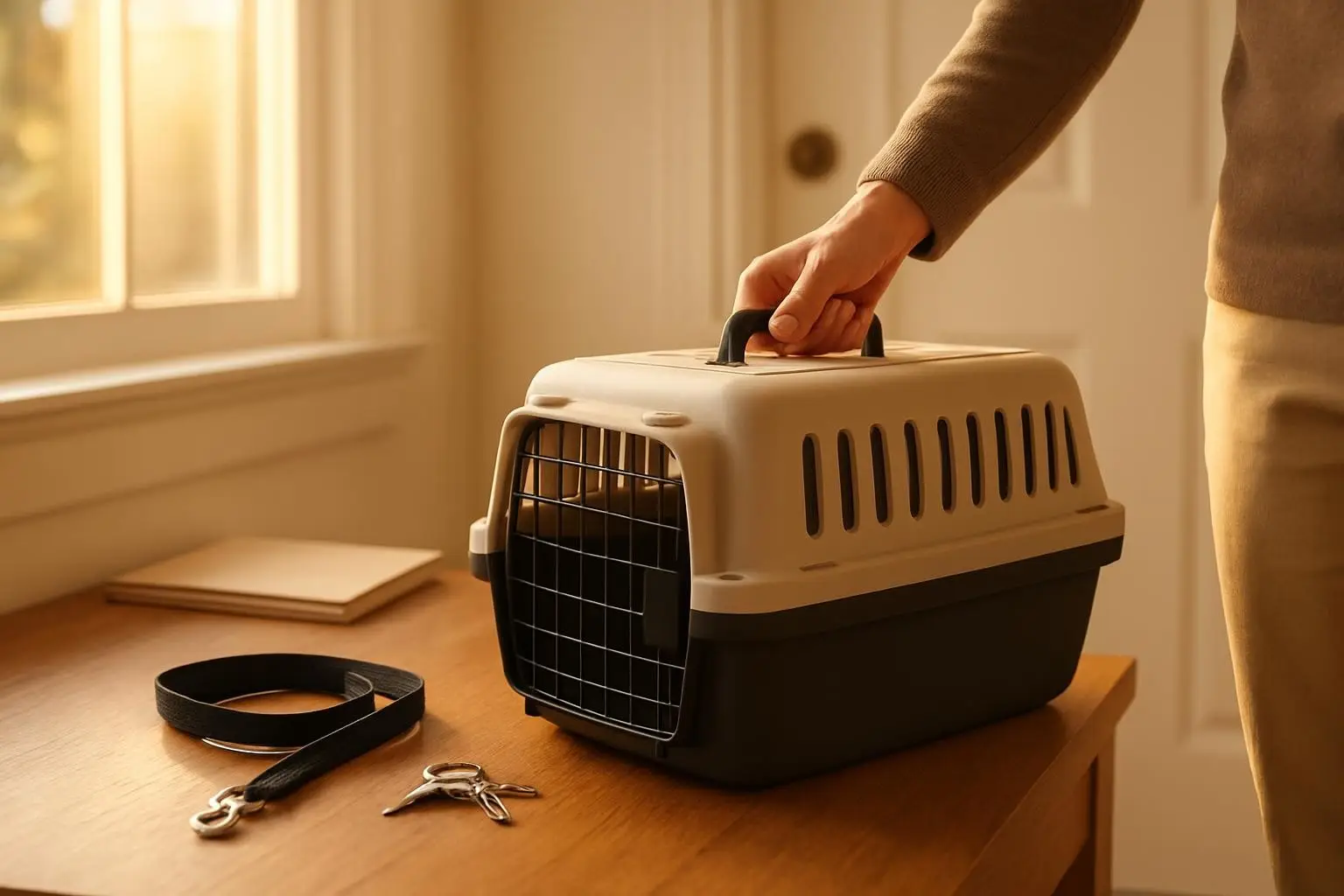
- Create a safe space. Use a crash-tested crate, car seat, or harness so your dog isn’t sliding around and feeling out of control. Many dogs actually feel more secure with boundaries.
- Keep the environment calm. Skip the chaotic music or radio chatter. Some dogs respond well to calming music designed for anxious pets, or even white noise.
- Manage temperature and comfort. A hot car stresses dogs out, so keep it cool. Open windows can be anxiety-inducing for some dogs, so find what works for yours.
- Practice short trips first. Don’t jump straight to a 30-minute drive if your dog has never been in a car. Build up tolerance gradually with 5- or 10-minute outings to places they enjoy.
- Avoid reinforcing anxiety. If you’re babying your stressed dog (“It’s okay, baby, I know you’re scared”), you’re actually reinforcing the idea that there’s something to be scared of. Stay calm and neutral.
Supplements for Car Anxiety
While behavior modification is the foundation, supplements can help take the edge off and make your dog more receptive to training. Some dogs benefit from calming ingredients that support relaxation without sedating them completely. Common options include L-theanine, ashwagandha, and omega-3 fatty acids, which support overall nervous system function.
When shopping for supplements, look for reputable brands that are transparent about ingredients and third-party testing. You can find a wide range of formulations designed specifically to address dog anxiety—everything from chewables to powders you can mix into food. Many pet supplement retailers offer options for different needs and budgets. For instance, 1800PetMeds carries dog anxiety supplements where you can get 20% off using code WELCOME20 at checkout. Zesty Paws offers calming formulas, and you’ll get free shipping on orders of $60 or more.
It’s worth talking to your vet before introducing any new supplement, especially if your dog is on medication. They can recommend what might work best for your dog’s specific situation and rule out any underlying medical issues like inner ear problems or motion sickness that need treatment. If you’re looking to dig deeper into anxiety support overall, exploring the best supplements for dog anxiety can give you a fuller picture of what’s available.
How to Prepare Your Dog Before a Trip
A few hours before a car ride, you can set your dog up for success with some basic prep work:
- Exercise first. A tired dog is a calmer dog. Take your pup for a walk or play session before getting in the car. A dog that’s already spent some energy is less likely to pace and pace and pace.
- Keep meals light. Feed a few hours before travel rather than right before, especially if motion sickness is a concern. A full stomach + car movement = potential problems.
- Give them time to potty. Let them do their business before you leave so they’re not stressed about needing to go.
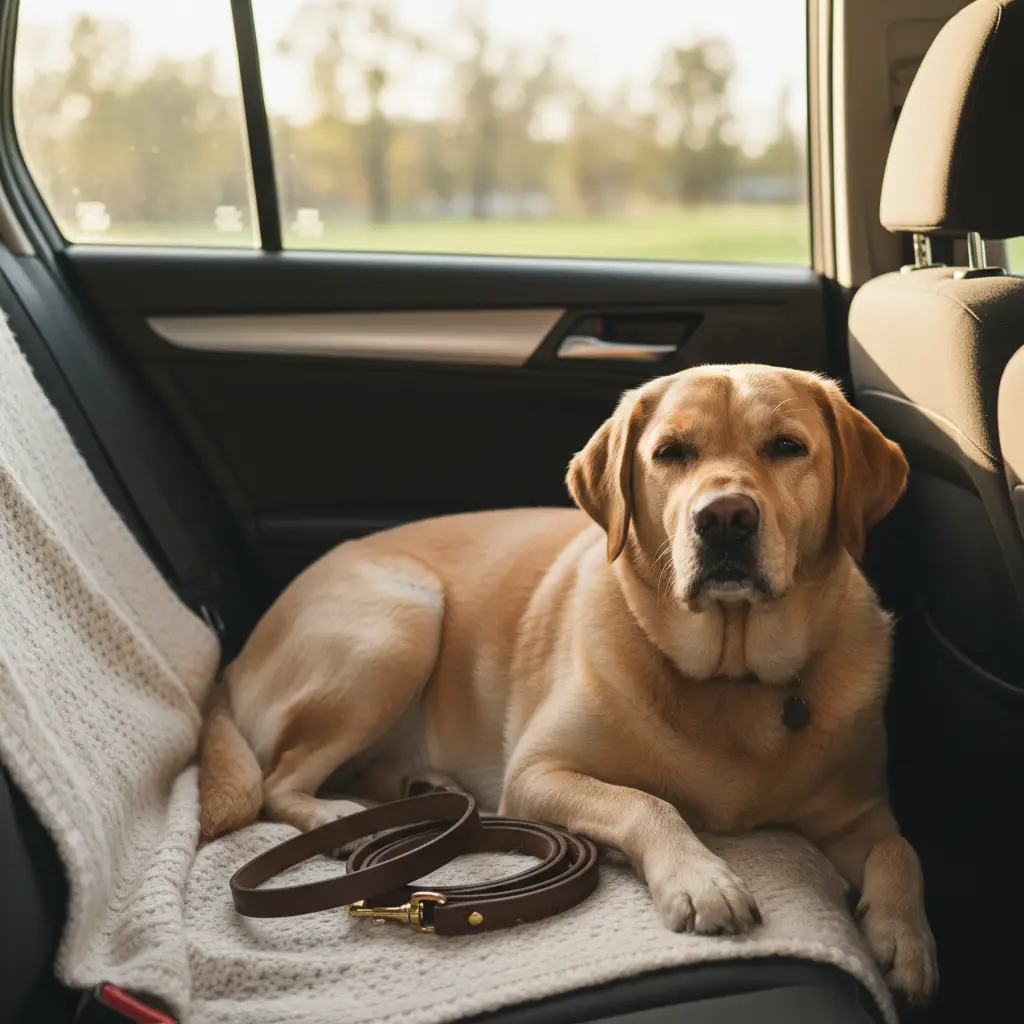
- Pack comfort items. A familiar blanket, toy, or even an item of your clothing can provide some reassurance.
- Plan for breaks on longer trips. Stop every couple of hours so your dog can stretch, get water, and decompress.
- Consider timing. If your dog is less anxious at certain times of day, schedule trips then if you can.
Some people find that giving a calming supplement 30–60 minutes before a trip helps their dog settle in more easily. Combined with the preparation steps above, it can make a real difference in how your dog experiences car time.
P.S. This post contains affiliate links at no extra cost to you. The products featured here consistently showed up as top options during our research, and we aim to provide the most accurate and helpful information possible.
FAQs
Is my dog’s car anxiety a sign of a bigger problem?
Not necessarily. Car anxiety is usually about the car experience itself, but it’s worth mentioning it to your vet to rule out motion sickness, ear issues, or other physical problems that could be contributing. Once you know it’s behavioral, you can work on it with the strategies above.
How long does it take to help a dog with car anxiety?
It depends on the severity and your dog’s temperament, but most dogs show improvement within a few weeks of consistent desensitization work. Some take longer, and that’s okay—progress matters more than speed. Stick with the process.
Should I sedate my dog for car rides?
Talk to your vet before resorting to sedation. It can mask the underlying anxiety rather than solve it, and it may not be safe for all dogs. Calming supplements are often a gentler first step, combined with behavior work.
Can my dog grow out of car anxiety on their own?
Unlikely. Without intervention, dogs typically become more anxious or develop stronger avoidance behaviors over time. Taking action now will serve both of you in the long run.
What if my dog still panics after trying everything?
Some dogs need professional help from a trainer or veterinary behaviorist, especially if the anxiety is severe. There’s no shame in bringing in an expert—they can assess your specific situation and create a tailored plan.