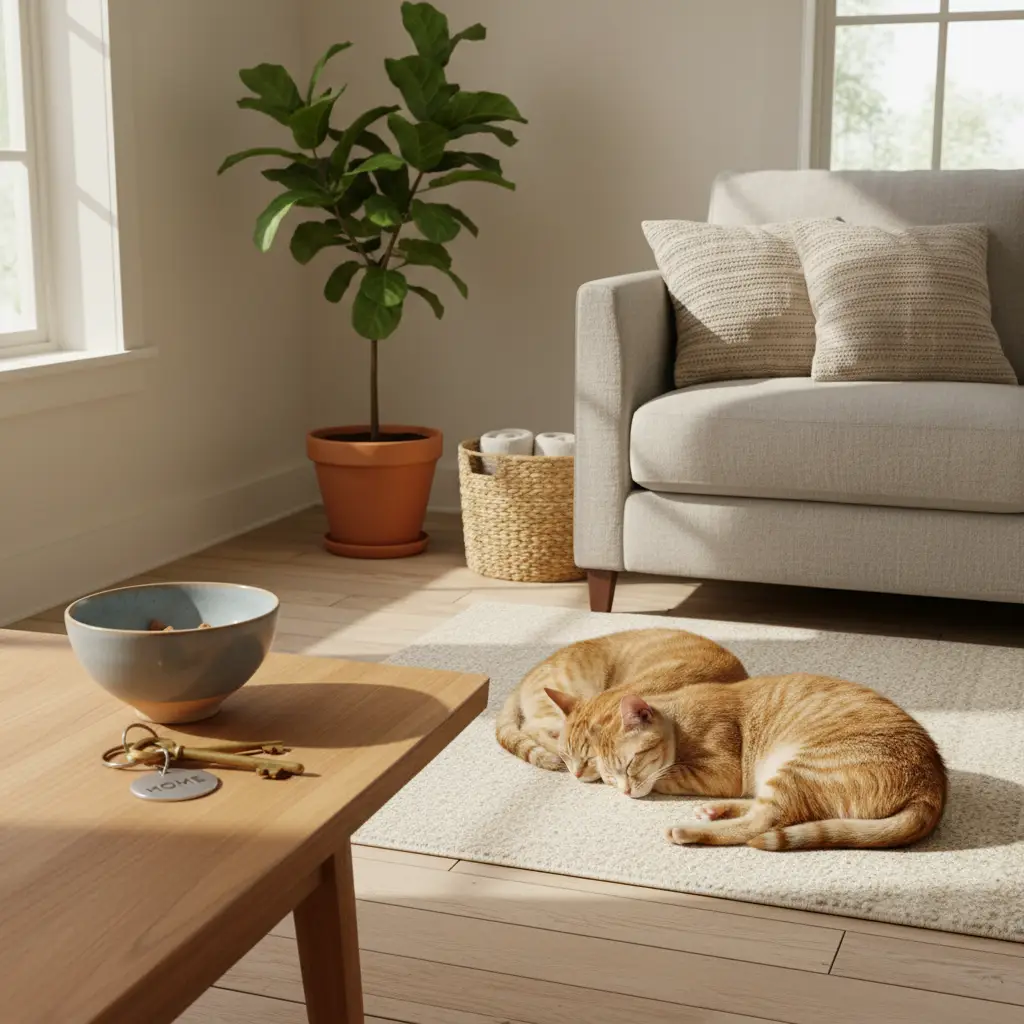

Renting with Multiple Cats
Finding an apartment that welcomes your cat family can feel like searching for a needle in a haystack. Many landlords hesitate when they hear “multiple cats,” picturing litter box odors, scratched furniture, and endless cleanup. But the reality is far different: renters with multiple cats who prioritize responsibility and transparency often become some of a landlord’s most reliable tenants. So what does it actually take to rent with multiple cats apartment, and how do you make it work?
Understanding the Market Reality
Approximately half of rental housing allows cats, making them the easiest type of animal to get housing for. The good news: you’re not chasing an impossible dream. What matters is timing, strategy, and showing landlords that you’re the kind of tenant who genuinely cares about your pets and the property they’re moving into.
Many cat owners, especially those with multiple animals, have to settle for lower-quality rental accommodation, pay premium fees, or face the emotional pain of putting their animals in a shelter. That doesn’t have to be your story. Understanding landlord concerns and learning how to address them head-on can transform your search.
Why Landlords Hesitate About Multiple Cats
Common Landlord Concerns
- Litter box and odor issues: Cats can cause scratching, climbing, urinating on the carpet, and litter box odors, with cat urine in particular notable for its distinct, lingering odor that is fairly difficult to remove.
- Property damage: Multiple cats can cause fleas, mites, scratching of walls and door frames, climbing blinds, and triggering neighboring tenant allergies.
- Tenant reliability: Landlords understand that the problem with cats isn’t usually the animals, but their owners—when cats spray, scratch, urinate outside the litter box, or otherwise behave badly, it’s because the owners haven’t taken proper steps to train their cat.
- Number limits: Most apartments cap multiple pets at two, with only a rare few accepting three pets.
The Flip Side: Why Landlords Are Coming Around
Many landlords find it worthwhile to welcome cats because it could mean welcoming some of the best and most conscientious tenants out there. Research shows that tenants with pets tend to stay longer, have strong ties and more loyalty to their immediate community, and make stronger bonds with their neighbors than tenants without pets.
Finding Pet-Friendly Rentals
Where to Search
When it comes to finding rentals that welcome your multiple cats, using the right platforms makes all the difference. Here are some of your best options:
- Dwellsy: Dwellsy offers pet-friendly search features where you can create a pet profile for each of your cats—including breed, size, and weight—and filter rental listings from the start. Pet-friendly listings are automatically labeled with a pet-friendly badge, so you can see upfront which properties match your needs. This eliminates irrelevant results and reduces the time spent on listings that wouldn’t accept your cats.
- Apartments.com: You can select search criteria based on the types of pets you have, and with a few clicks you can find dozens of apartments in your area that will accept your pet.
- Rent.com and Facebook Marketplace: Facebook Marketplace is a helpful source for pet-friendly housing, especially privately owned properties—many renters find their housing through this platform.
- Local animal shelters: Contact your local animal shelter for assistance, as many shelters maintain lists of pet-friendly rental properties and have staff that will assist you with your search.
- Private landlords: Consider renting from a private landlord using sites like Zillow, Facebook Marketplace, or Craigslist—it’s quick and easy to find hundreds of rental properties, and private landlords are often willing to be flexible with pet policies.
Filter Strategically
Rental advertising usually specifies upfront that they are “pet friendly” or not, and when using websites, you’ll need to use the dog and cat-friendly “filters” for pet-friendly options. Check to make sure cats or dogs are allowed for each property and how many are allowed, and some will specify a pet deposit or other documentation.
Pet Policy Restrictions You’ll Encounter
Some properties limit the number of pets per household to one or two pets total, no matter the type. This is where knowing what’s negotiable becomes crucial. Here’s what you might see:
- Number limits (typically one to two cats per unit, occasionally three)
- Pet deposits and monthly fees
- Spay/neuter and vaccination proof requirements
- Indoor-only rules for cats
- Pet agreements outlining rules and tenant responsibilities
What You’ll Pay in Fees and Deposits
Understanding Pet Costs
When multiple cats are allowed, expect additional financial considerations, as many properties charge an extra deposit or fee for each cat beyond your first feline, reflecting the increased potential for wear and tear.
According to pet-friendly rental studies, most charged a separate pet deposit, with the average pet deposit between 40% and 85% of the rent, depending on the location. Many property managers and landlords charge a recurring monthly “pet rent” in the amount of $50–$100, and this practice is becoming more popular.
Types of Fees Explained
- Pet deposit (refundable): Pet deposits are usually refundable to incentivize owners to prevent damage.
- Pet fee (non-refundable): Non-refundable fees are considered a one-time payment to allow the pet in the rental.
- Pet rent (ongoing): Pet rent is a fee charged on a monthly basis and is separate from the pet deposit, covering the cost of your pet actually living in your rental.
Pro Tip on Negotiating Costs
If you do not have a prior rental history or your credit is less than perfect, offer to negotiate an additional pet deposit or offer to have the carpets cleaned prior to vacating the property and agree to incorporate those terms into your lease.
Building Your Case as a Responsible Renter
Create a Cat Resume
Yes, really. When you apply for a rental with a cat, it helps to show landlords that your cat is well-behaved and cared for, and a great way to do this is by creating a simple “cat resume” that includes your cat’s name, breed, personality traits, training, certifications, or any routines you’ve established at home.
Gather Documentation
Bring solid proof that you’re a responsible pet owner:
- Ensure that your pets are spayed/neutered and fully vaccinated before you begin searching for a rental, as unneutered pets are much more likely to bite, urine mark, and stray from the property, and these behaviors can be very costly for landlords.
- Get a letter of recommendation from your pets’ veterinarian if possible, as a good history of caring for your pets will demonstrate that you are a responsible owner.
- Show the landlord documentation of shots and veterinarian visits, and provide references from former landlords if favorable.
Highlight What Makes You an Ideal Tenant
Don’t hesitate to point out other attributes that make you and your pets attractive tenants—do you have a long-term employment history, are you quiet and clean—as all of these factors will make you much more appealing to potential landlords.
Managing Multiple Cats in Your Rental
Litter Box Setup
The Humane Society recommends one litter box per cat, plus one—if you have three cats, that means you should scatter four separate litter boxes around your home.
Preventing Odor Issues
This is where landlord concerns become real, so take it seriously:
- Purchase scented, scoopable litter to keep your apartment smelling fresh, and scoop it regularly—the Humane Society says that daily is best.
- For seriously low-maintenance care, invest in an automatic, self-cleaning litter box.
- Keep litter boxes away from high-traffic areas and in well-ventilated spaces
Managing Space and Behavior
Consider the space that you have available, as it’s much easier to keep multiple pets in a larger apartment or rental home than in a studio—no matter how much you bathe your cats or change the litter box, pet odor tends to grow exponentially, particularly in very close quarters.
With two cats, you’ll want to provide a litter box for each one, separate feeding and water bowls, and plenty of opportunities for them to climb and scratch surfaces for their claws. To keep your indoor cat happy, install a cat tree that can allow the cat to climb—place it next to a window so your furry friend can have a nice view of the outside. Many cat trees also offer cats the opportunity to scratch their surfaces and take care of their much-needed claw maintenance without damaging your furniture.
The Application and Lease Process
Be Honest and Transparent
Be completely honest about the number, size, and types of pets you have, and tell potential landlords about your good credit and/or good rental history at your initial introduction and provide references from previous landlords if possible.
Get Everything in Writing
Once you have secured a new home for you and your cats, get it into writing, disclosing the agreement you have with your new landlord about having multiple cats, and remove any “no-pets” clauses from the rental agreement or lease if they exist.
Be sure to discuss pet deposits and monthly pet-related fees upfront and in advance and have these put into writing as well, and ask for any printed pet-related guidelines or policies at this time.
FAQ
How many cats can I typically have in an apartment?
Most apartments will accept multiple pets, but the majority cap it at two pets, with only a rare few apartments accepting three pets. Some landlords allow fewer, so always check the specific property’s policy.
What if a landlord says “no pets” but I really want the place?
Even if a landlord has a no-pets policy, don’t immediately give up, especially if the property meets all your other needs. You can approach them with your documentation, offer additional deposits, or ask if they’d be willing to negotiate for a responsible tenant with multiple cats.
What’s the difference between a pet deposit and pet rent?
Pet deposits are usually refundable to incentivize owners to prevent damage, while non-refundable fees are considered a one-time payment to allow the pet in the rental. Pet rent is an ongoing monthly charge separate from the deposit.
How do I prevent litter box odor in a rental?
Use high-quality scented litter, scoop daily, place litter boxes in ventilated areas away from living spaces, and consider an automatic litter box. Investing in odor control now prevents landlord complaints later.
Can a landlord deny my application because I have multiple cats?
Legally, yes. Landlords can set pet policies, including limits on the number of animals. However, refusing pets across the board can limit their tenant pool, so many are becoming more flexible. Your job is to show them you’re worth the exception.