
Renting with Cats
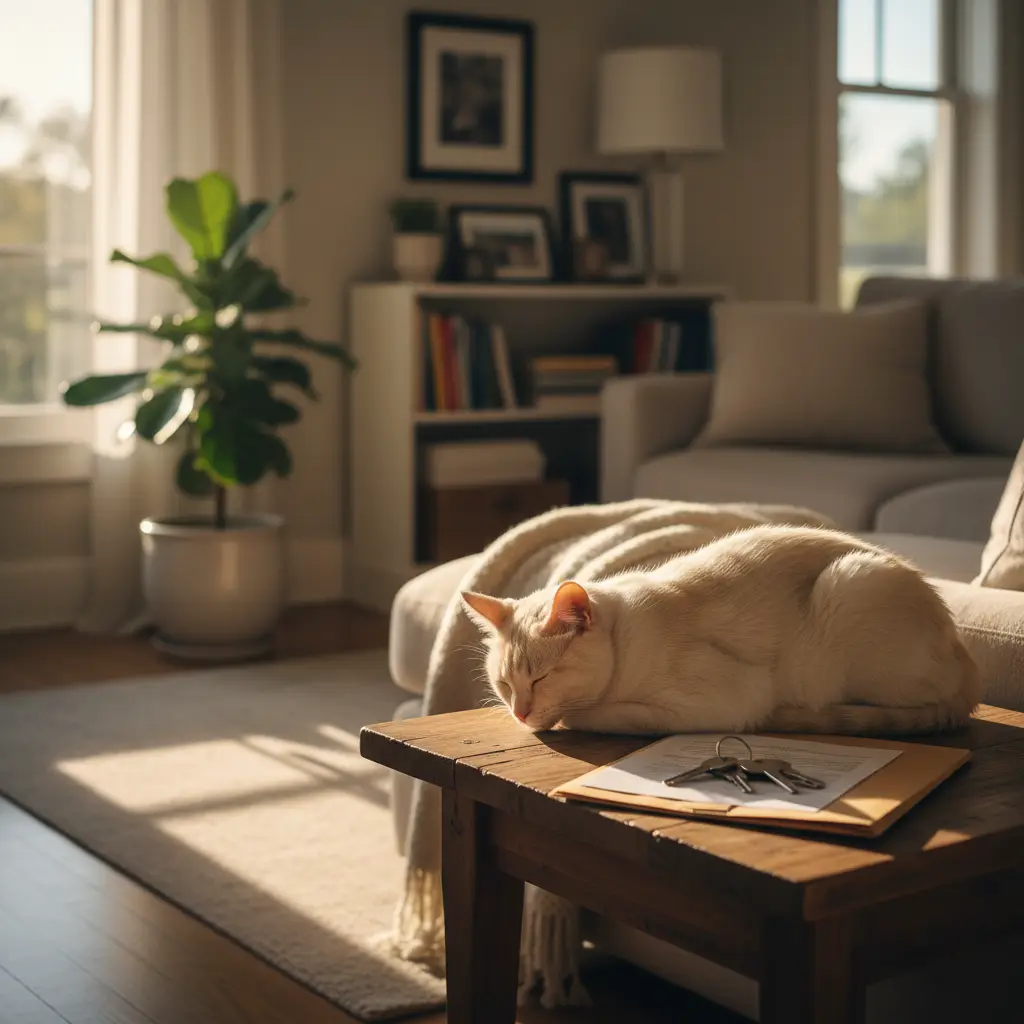
Finding an apartment that accepts your cat is getting easier, but it’s far from effortless—and once you’ve signed the lease, the real work begins. From managing litter box odors to protecting your security deposit, renting with a cat involves navigating rules, responsibilities, and a few strategic tweaks to keep both your landlord and your feline friend happy. Ready to make it work?
Renting with Multiple Cats
Most apartments will accept multiple pets, but the majority cap it at two pets. If you have more than two cats, you’re looking at a much smaller pool of pet-friendly rentals. It’s much easier to keep multiple pets in a larger apartment or rental home than in a studio.
Space isn’t just about physical room—it’s about practicality. The Humane Society recommends one litter box per cat, plus one. If you have three cats, that means you should scatter four separate litter boxes around your home. No matter how much you bathe your dogs or change the litter box, pet stink tends to grow exponentially, particularly in very close quarters.
When searching for a place that allows multiple cats, private landlords tend to be more lenient on their pet policies than large management companies. Many landlords will require that your cats are up-to-date on their shots and that they’re spayed or neutered before renting to you. Have this paperwork ready before you start your search—it speeds up the process and shows you’re a responsible owner.
How to Introduce a New Cat to Your Rental Apartment
Moving is stressful for cats. Cats are creatures of habit, and they find comfort in familiar surroundings. The key to a smooth transition is patience and a deliberate approach.
Set Up a Safe Room First
Set up a safe room in your new apartment for your cat. This room should have everything your cat needs — food, water, a litter box, and their favorite toys. The scent of familiar items will provide comfort and security in the new environment. Keep the door closed during the move so your cat stays calm and doesn’t bolt. Cats thrive on routine. Moving can disrupt their daily schedule, so try to stick to your cat’s usual routine as much as possible. This means feeding them at the same time, playing with them, and giving them attention as you usually do.
Gradual Exploration
Once your cat is comfortable in their safe room, gradually introduce them to the rest of the apartment. Let them explore one room at a time. This slow introduction will allow your cat to adjust to the new sights, sounds, and smells without feeling overwhelmed.
Introducing Multiple Cats
If you’re bringing in a second cat to an existing cat, the process needs extra care. Keep them separate for a few days when you’re introducing a second cat to a small apartment. Start by taking a blanket or pillow from each cat’s bed and swapping them so they can smell each other. Then, place the cats in each other’s designated area for a short period of time so they can smell each other without actually seeing each other. Once the cats are familiar with each other’s scents, introduce them to each other through a door or gate. This gives them a chance to interact while keeping them safe. You may have to do this several times before your cats get comfortable with each other.
How to Keep Your Apartment Clean with a Cat
Cleanliness is non-negotiable when renting with a cat. A clean apartment protects your relationship with your landlord and improves your chances of getting your security deposit back.
Litter Box Management
Managing the litter box situation is paramount. Every cat, whether an all-day indoor dweller or a dusk-to-dawn explorer, needs a reliable litter box. The lingering scent of an unkempt box can lead to landlord grievances, especially during property inspections. For a fresh-smelling home, adopt a routine: clear out waste and urine-soaked litter daily. If this sounds tedious, think about investing in an automatic litter box, which simplifies maintenance. On a weekly basis, give the box a thorough wash using hot water and a cat-friendly detergent.
Skip the deodorized and scented litters. While you might think this will keep your house smelling fresh, cats tend to hate it. Urine is one of their ways of marking territory, and if the scented litter covers the smell, they may look for other places to mark.
Hair and Shedding
Regular grooming reduces the amount of hair and dander that accumulates in carpets and upholstery. Even short-haired cats benefit from weekly brushing sessions, which can prevent excessive shedding while strengthening your bond with your pet. Vacuuming frequently is key to controlling cat hair, especially on carpets, rugs, and furniture.
Ventilation and Odor Control
Daily litter box scooping, weekly complete changes, and quality odor-neutralizing products help maintain a fresh-smelling apartment. Good ventilation makes a tremendous difference too—open windows when weather permits or use air purifiers during extreme seasons.
How to Prevent Cat Damage in a Rental
Cats aren’t trying to destroy your apartment—they’re following natural instincts. Once you work with those instincts instead of against them, damage prevention becomes much easier.
Scratching
Cats like to scratch, whether it be on furniture or walls. This trait is normal behavior that you or your tenants can mitigate by providing scratching posts in the rental property. The ideal scratching post is taller than your cat can stretch. Place flat cardboard scratchers under furniture like the couch or bed. These pads are low-profile, inexpensive, and easy to replace. They’re ideal for cats who like to scratch horizontal surfaces and can help redirect them from rugs or flooring.
For vertical scratching, opt for tall scratchers that lean against the wall or stand freely. Choose heavy, stable bases that won’t tip, and look for materials like sisal, jute, or corrugated cardboard. Many modern designs are minimalist and fit easily into your decor.
Furniture and Blinds
Windows are natural entertainment. Birds, movement, light — it all draws attention. Blinds unfortunately move the same way. That’s why they often become targets. Suction-cup hammocks attach directly to your window glass and provide a sturdy, elevated lounging space. This gives your cat a better view without your blinds becoming shredded.
Cats have a physical need to scratch, which can be damaging to your property like furniture or your apartment’s carpeting and any exposed wood beams. However, by trimming their claws every few weeks, you can help to reduce this urge and the damage it can cause.
Environmental Enrichment
Boredom often leads to destructive behavior. In apartments, boredom builds faster. And boredom often leads to unwanted behavior. The fix isn’t more space — it’s more variety. Having plenty of toys and cat furniture around your apartment will keep your cat busy, which is helpful to prevent them from scratching door posts, clawing furniture, etc.
Hazard Prevention
Loose cables look like toys. It’s that simple. Luckily, this is one of the easiest fixes. Once they’re out of sight, most cats lose interest quickly. Cats notoriously love to swat things off of counters, tables, bookshelves, you name it, so it’s a good idea to relocate any valuable, fragile items that could be swatted and broken. Cats also love to play with strings, like the ones attached to your blinds or loose electronic cords, which is not good for your cat or your valuable technology.
How to Find Cat-Friendly Apartments
The rental market is shifting toward more pet acceptance. The challenge is knowing where to look and how to present yourself as a responsible tenant.
Where to Search
Start your search using rental platforms that let you filter by pet-friendly policies. When looking for cat-friendly rentals, several options are available:
- Dwellsy allows you to create a pet profile that includes your cat’s species, breed, size, and weight. You can filter listings from the start to show only properties that accept your cat. Pet-friendly listings are labeled with a pet-friendly badge, and you spend less time on places that wouldn’t work for your situation.
- Apartments.com lets you select search criteria based on pet type—you can filter for cat-friendly units directly.
- Rent.com offers pet-friendly filters and lets you see which listings allow cats.
- Facebook Marketplace and Craigslist are great for finding privately-owned rentals, which often have more flexible pet policies than large management companies.
- Local animal shelters sometimes maintain lists of pet-friendly rental properties in your area.
Building Your Case
Vet records can also be a good bargaining chip if you try to negotiate with a landlord. Build a resume and gather evidence. Show that you are responsible pet owners by getting character recommendations from your vet and previous landlords. It can be as simple as a statement from your previous rental company showing how little damage we did to the apartment, or that we got all of our deposit back.
If you do not have a prior rental history or your credit is less than perfect, offer to negotiate an additional pet deposit. Offer to have the carpets cleaned prior to vacating the property and agree to incorporate those terms into your lease.
How to Get Your Security Deposit Back When You Have a Cat
Your security deposit and pet deposit are refundable—if you take the right steps. Understanding the difference and what damages count is essential.
Know What You’re Paying For
A pet deposit differs from a refundable security deposit in that it only covers damage caused by pets. Pet Deposit: Refundable security deposit (typically $200-$500) that covers pet-related damage. Pet Fee: One-time, non-refundable charge (usually $150-$300) to offset general wear and tear from pets. Pet Rent: Monthly charge ($25-$75 per pet) added to regular rent, providing steady income throughout the lease term.
Read your lease carefully to understand which fees apply to your situation. Some states have specific limits on what landlords can charge, so check your local laws.
Document Everything at Move-In
The best way to prevent this from happening to you is to perform a detailed inspection of your unit before you move in. Take photos of everything and document every little nick, scratch, ding, and dent you see. Submit all of this to your landlord and keep copies for your records. This protects you if the landlord later tries to claim pre-existing damage was caused by your cat.
Prevent Damage Throughout Your Lease
When stressed or anxious, cats often urinate in inappropriate places, such as carpets and furniture. Cats shed fur throughout their lives. However, some cats, such as Maine Coons and Persians, shed more than others. When tenants neglect to regularly empty and maintain their cat litter boxes, cat urine and feces can become embedded in the carpet or flooring. Removal requires deep cleaning to eliminate lingering smells and ensure no health risks remain. Address any issues immediately rather than hoping they’ll go unnoticed.
Final Walkthrough
After you move in, keep your eye out for anything that gets damaged and have it fixed immediately. When you move out, take photos of the apartment in the same way you did at move-in. If your landlord tries to deduct damage you didn’t cause, you’ll have evidence to dispute it. Request a full accounting of any deductions—most states require landlords to itemize repairs and provide receipts.
FAQ
Can I negotiate a lower pet deposit if I’ve had cats in rentals before?
Yes. Bring documentation from previous landlords showing your cats caused no damage and you received full deposit returns. If you have vet records, references, or photos of your cat in good condition, these strengthen your case. Many landlords are willing to negotiate if they feel confident you’re a responsible tenant.
What if my cat has an accident outside the litter box?
Clean it immediately and thoroughly. If you do run into bathroom issues, vinegar is a miracle cure. If accidents happen repeatedly, talk to your vet—it can signal stress or a health issue. In rental situations, addressing behavioral or medical issues quickly protects both your relationship with your landlord and your deposit.
Are there ways to minimize shedding and odor without major renovations?
Absolutely. Regular grooming and daily litter box scooping are your best tools. Air purifiers and opening windows help with odor. For shedding, lint rollers and frequent vacuuming make a huge difference. None of these require permanent changes to the apartment, and all are renter-friendly.
What should I know about pet-friendly apartment policies?
Before you start your apartment search, it’s essential to inquire about the pet policies of each potential rental property. Some landlords or property management companies may have restrictions on pet breeds, sizes, or the number of pets allowed per unit. Always get your pet policy in writing as part of your lease.
Can a landlord charge pet rent and a pet deposit at the same time?
In most states, yes. Pet rent and pet deposit serve different purposes. Pet rent is considered part of the monthly rent (not a deposit), while a pet deposit functions as security. However, the total amount you pay—security deposit plus pet deposit—may be limited by state law, so check your local regulations.