
Introduction
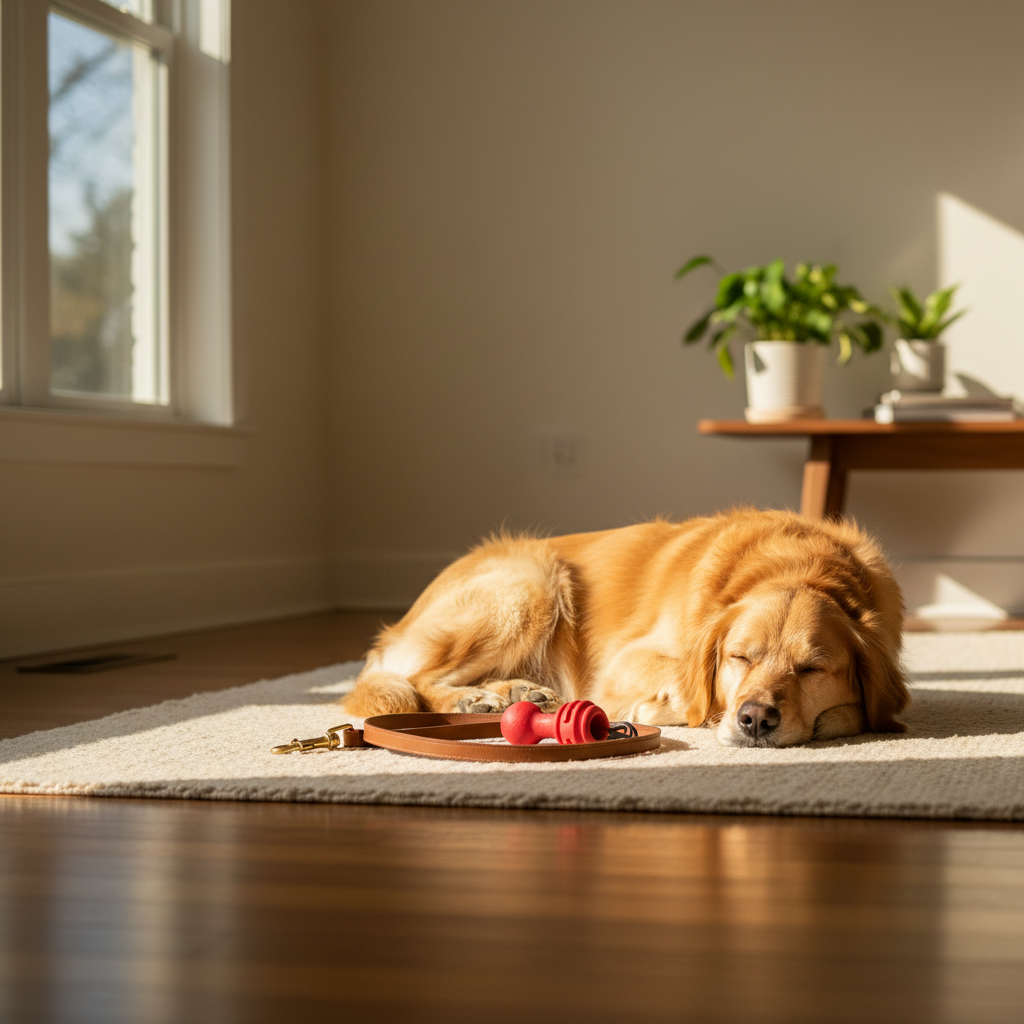
If your dog is pacing around the house, whining, or seemingly unable to settle down, you’re not alone—this is one of the most common complaints from dog owners. Understanding why your dog is restless indoors is the first step to helping them feel calm and happy at home. Is it anxiety, boredom, lack of exercise, or something else entirely? Let’s break down what’s really going on.
Common Causes of Restlessness in Dogs
Sudden restlessness at night in dogs can be due to anxiety, changes in environment or routine, or discomfort from physical ailments. There are actually several reasons why your dog might be struggling to settle indoors.
- Lack of physical and mental exercise. When dogs lack mental and physical stimulation during the day, they may become restless and agitated, especially at night. Dogs were bred to work and stay active, and without adequate outlets, they build up tension.
- Separation anxiety or loneliness. When you’re not at home, they may feel lonely, anxious and/or restless. Some dogs struggle when left alone and express that stress through restlessness.
- Changes in routine or environment. Sudden anxiety in dogs can be due to various factors including new environmental changes, unnoticed health issues, or changes in household dynamics like visitors or new pets.
- Medical discomfort. Pain, digestive discomfort, itching, urinary problems, or hormonal imbalances can worsen in the evening. Sometimes what looks like restlessness is actually your dog signaling that something physical is bothering them.
- Age-related conditions. As a dog ages, they may also experience conditions like canine cognitive dysfunction (CCD) or issues with their thyroid gland. These problems can make them increasingly restless in the evenings.
Is Your Dog Anxious or Bored?
One of the biggest challenges in figuring out why your dog is restless indoors is distinguishing between anxiety and boredom—they can look shockingly similar. Both might show up as pacing, destructive behavior, or excessive vocalization, but the underlying causes are very different, and so are the solutions.
Dogs who are bored often improve with increased enrichment and structured activity; dogs with anxiety may continue destructive or repetitive behaviors even in a stimulating environment, and behaviors can be harder to interrupt once they begin and may interfere with daily routines or appear disproportionate to the situation.
Here’s a practical way to tell the difference:
- Bored dogs respond well to new activities, toys, and engagement. Boredom-related behaviours often emerge gradually and aren’t as closely tied to your departure.
- Anxious dogs may struggle even when given enrichment. Dogs with separation anxiety often start showing signs of distress as soon as they realize their owner is preparing to leave. They tend to follow their owners around the house and might become extremely clingy. Anxiety often connects to your presence or absence.
If you’re trying to figure out what’s happening with your pup, think about when the restlessness happens and how your dog responds to activities and attention. This detective work helps clarify whether you’re dealing with a stimulation issue, an emotional one, or both. Many dogs experience a mix of both anxiety and boredom, especially when they’re home alone a lot. Whether it’s anxiety-related restlessness or plain boredom, knowing the root helps you pick the right fix—you might naturally explore topics like dog anxiety at home and the best supplements that actually help, or focus more on enrichment strategies.
How to Reduce Restlessness in Dogs
The good news is that there are concrete steps you can take right now to help your restless dog feel calmer and more settled.
- Establish a consistent routine. Dogs feel more secure when they know what to expect. A stable routine helps them wind down.
- Increase physical exercise. Dogs need physical activity to expend energy, and without enough exercise, they can become restless at night. A dog who hasn’t had sufficient physical or mental stimulation during the day might find it difficult to wind down.
- Create a calm environment. Creating a calm environment, maintaining a consistent routine, providing regular exercise, and ensuring that your dog has a quiet place to rest can help increase your dog’s comfort indoors.
- Rule out medical issues. If your dog’s restlessness is sudden or severe, a vet visit is important to make sure there’s no underlying pain or health condition.
Mental Stimulation Ideas
Mental stimulation is just as important for dogs as physical exercise. In fact, engaging your dog’s brain can tire them out just as much as a walk—sometimes more. Here are practical ways to keep your dog mentally engaged indoors:
- Puzzle toys and food-dispensing toys. Puzzle toys and other interactive toys typically have compartments where you can hide food, and your dog has to figure out how to access those tasty treats. There are countless puzzle toys, all with varying degrees of complexity. Similar to hide-and-seek and “find it,” interactive toys require critical thinking skills. These types of toys are among the best dog toys for indoor stimulation.
- Hide-and-seek games. Dogs have an incredible sense of smell, and hiding treats around your home taps into their natural hunting instincts. This game is simple yet highly effective for mental stimulation.
- Training and new tricks. Spend a few minutes on cues like “spin,” “bow,” or “touch.” Each new trick challenges your dog to think and focus. Training engages their brain.
- Rotate toys regularly. Keep your dog’s interest piqued by rotating their toys regularly. Introduce new toys and put away old ones for a while. This novelty keeps their curiosity alive and prevents them from getting bored with the same toys.
- DIY enrichment activities. You don’t need fancy gear. Distribute kibble in multiple tins. Place toys on top of kibble. Place treat(s) inside smallest box; fold top of box. You can also hide treats in toilet paper rolls, use a muffin tin with tennis balls, or create a “busy box” with towels and hidden treats.
- Scent games and snuffle mats. A snuffle mat is a perfect item for curious dogs. A large, interactive nose work mat with treats hidden all through it can provide lots of mental stimulation and fun for your pet.
The key is variety. Dogs can quickly lose interest in the same activities, so it’s important to rotate their toys and games regularly. Introducing new challenges keeps your dog curious and excited about playtime.
When to Consider Supplements
If you’ve addressed exercise, enrichment, and routine but your dog is still restless—especially if the restlessness feels more anxiety-driven—supplements might be worth exploring. L-theanine works by increasing the production of calming brain chemicals like GABA, serotonin, and dopamine. Particularly good results have been seen for dogs with mild to moderate general anxiety.
Several types of supplements have research backing them:
- L-theanine and L-tryptophan. L-theanine is found to reduce fear of strangers, noise, and storm phobia. L-tryptophan is found to help dogs cope with stress.
- Melatonin. Melatonin supplements have been used to reduce situational fear and anxiety in dogs, such as during veterinary visits, thunderstorms, and fireworks, as well as to promote sleep in dogs who are restless overnight.
- Probiotics and gut-focused supplements. The gut microbiome has been associated with several behavioral problems in dogs, including fear- and anxiety-related disorders. The probiotic Bifidobacterium longum BL999 reduced anxious behaviors such as excessive vocalization, jumping, pacing, and spinning.
- Herbal blends. Lemon balm is found to help treat anxiety and excitability because of its sedative effects. Magnolia Officinalis has anti-anxiety effects and may help with fear-related signs of thunderstorms.
If you do decide to try supplements, you have options at different price points. Always check with your veterinarian before starting any new supplement, especially if your dog takes other medications. You can get quality options like 1800PetMeds, where you can get 20% off using code WELCOME20 at checkout. Zesty Paws offers free shipping on orders $60 or more. Professional Supplement Center also has free shipping on vitamins and supplements, and BudgetPetWorld offers 12% off sitewide with free shipping plus extra savings on auto-order. The best supplements for dog anxiety vary by individual dog, so starting with a recommendation from your vet makes sense.
Supplements work best as part of a bigger picture—they’re not a magic fix on their own. Combine them with exercise, mental enrichment, and a calm routine, and you’ll likely see better results.
P.S. This post contains affiliate links at no extra cost to you. The products featured here consistently showed up as top options during our research, and we aim to provide the most accurate and helpful information possible.
FAQ
Why is my dog restless at night indoors?
Nighttime can be especially stressful for some dogs, leading to pacing, whining, panting, or restlessness that keeps both pets and their owners awake. This can stem from anxiety, lack of daytime exercise, boredom, or medical discomfort. Address the root cause by ensuring your dog gets enough activity during the day and has a calm bedtime routine.
Can a dog be restless from too much energy?
Yes. Without enough engagement, dogs might start pacing, whining, or showing other restless behaviors. High-energy dogs or those bred for work (like Border Collies or German Shepherds) need both physical exercise and mental stimulation to feel settled.
How long does it take for supplements to work on a restless dog?
It depends on the supplement type and the individual dog, but many owners notice effects within a few days to a couple of weeks. The calming effects typically begin 15-20 minutes after administration and last 6-8 hours. Start with a lower dose, and give it time before deciding if it’s working for your dog.
Is restlessness in dogs always a sign of anxiety?
No. Restlessness can indicate boredom, lack of exercise, anxiety, or medical issues. Some behaviors that owners attribute to boredom may actually stem from medical conditions or behavior disorders. If the restlessness is sudden or severe, check with a vet to rule out health problems first.
What’s the fastest way to calm a restless dog indoors?
Short-term, a vigorous play session or a puzzle toy can help burn energy immediately. Long-term, consistency matters most—maintain a regular schedule, provide daily exercise and enrichment, and create a calm environment. Supplements can help, but they work best alongside these foundational habits.