
Moving With a Dog? How to Prepare Before You Change Homes
Your dog doesn’t understand the concept of a new address or a fresh start—they understand routine, familiar smells, and the comfort of knowing where everything is. When you move, their entire world gets turned upside down. But with some planning ahead and thoughtful preparation, you can help your pup navigate the transition without the panic. Let’s talk about how to prepare dog for moving so both of you can actually enjoy settling into your new place.
What to Do Before Moving
The prep work starts weeks before your lease ends or the moving truck arrives. You need to get your dog a new ID tag with your updated address and revise your dog’s microchip information. This might seem straightforward, but it’s genuinely important—if your dog bolts during the chaos of moving day (which can happen), a current tag and chip are what bring them home.
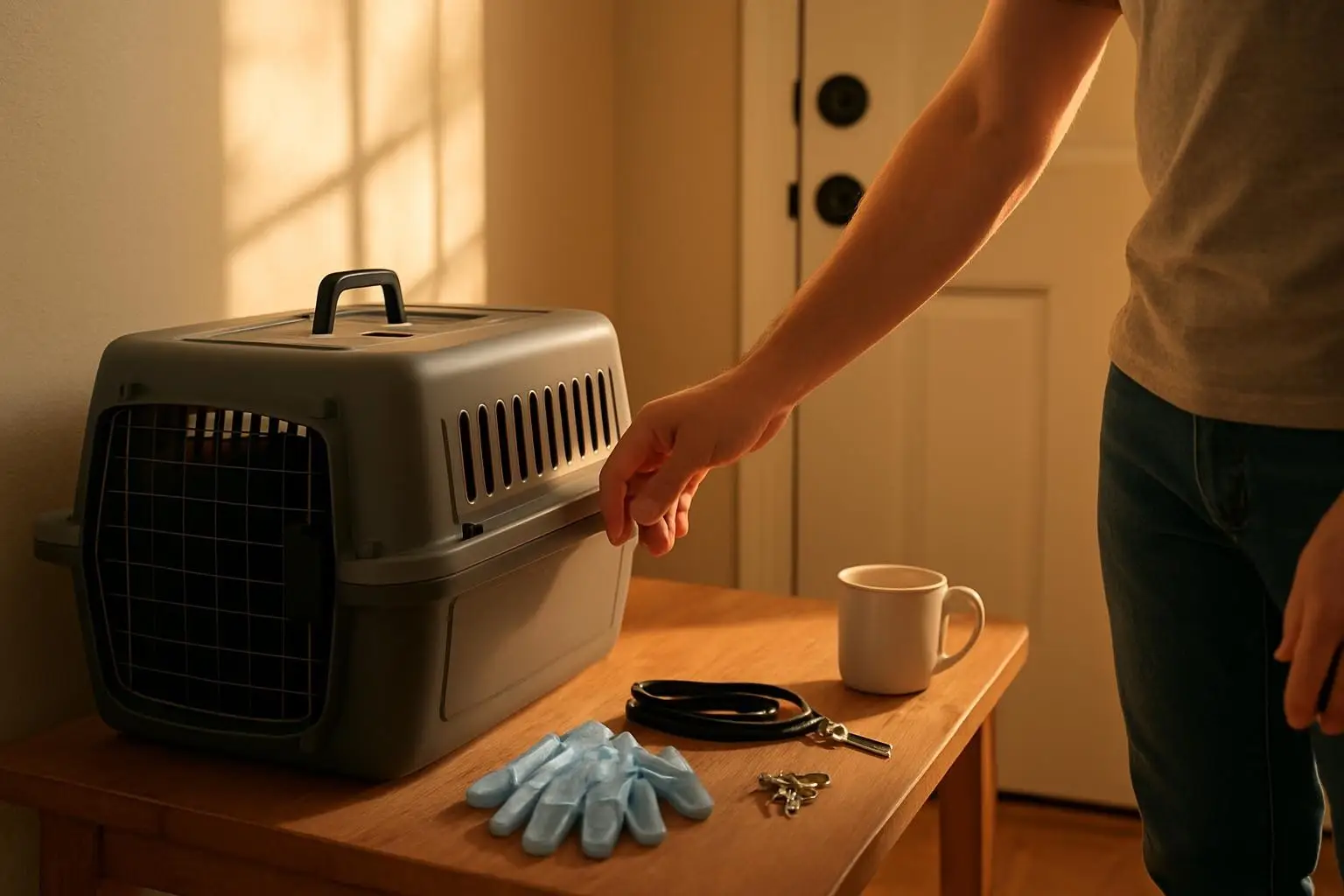
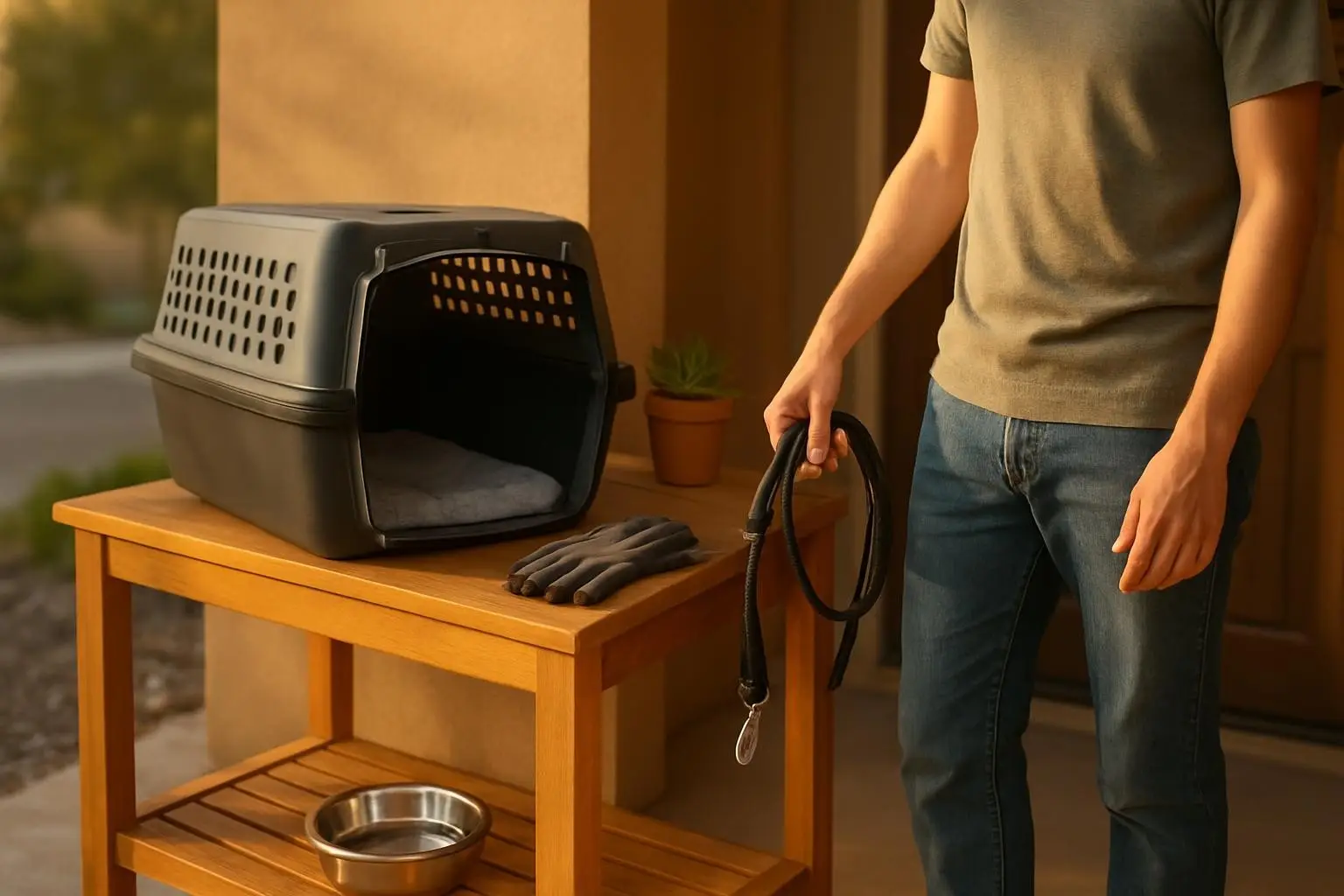
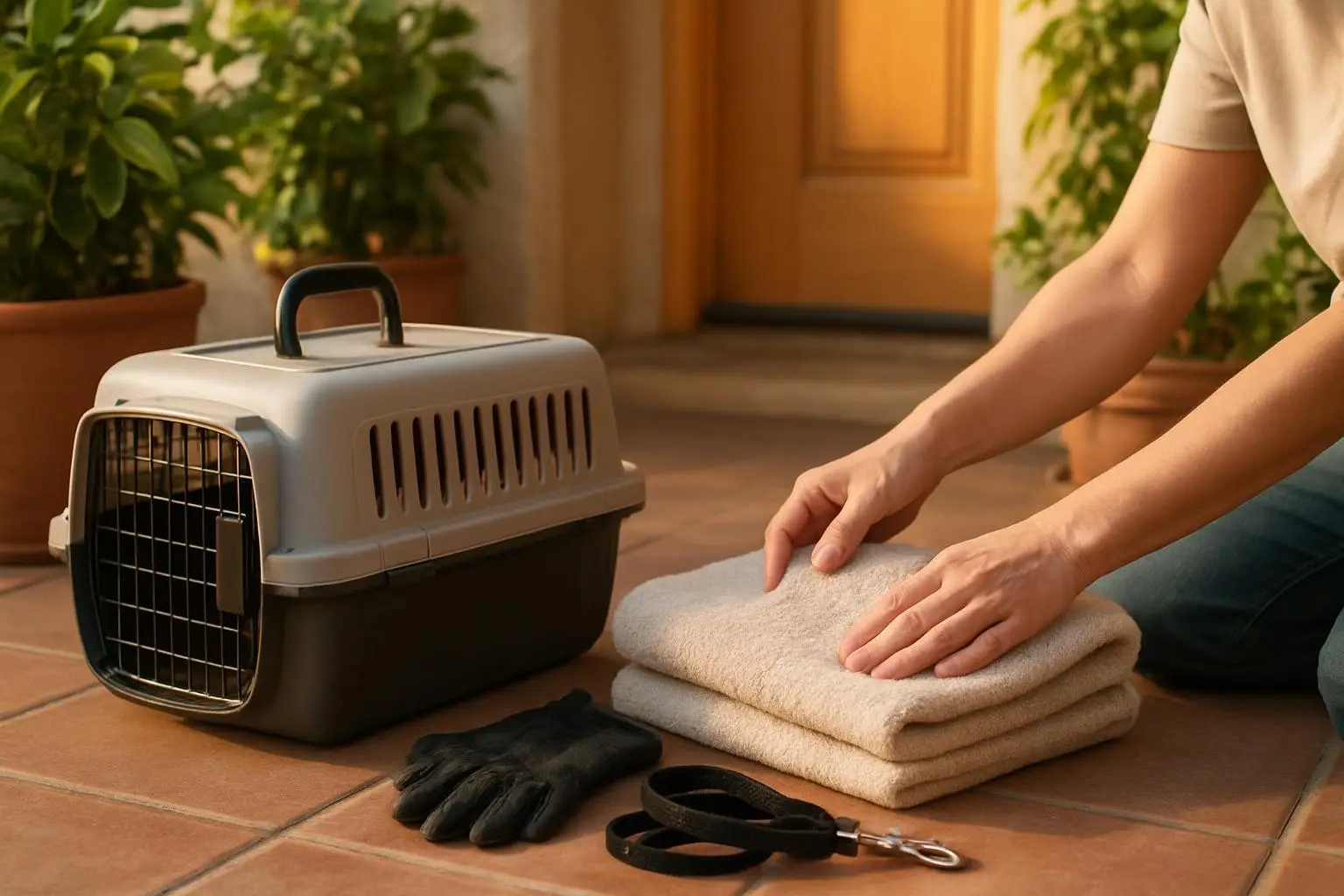
Next, think about your dog’s travel situation. It’s helpful to get your dog used to the mode of travel you’ll be using for your move. If it’s a long car ride, take some short drives to help your dog feel comfortable in the car. If you’re flying, teach your dog to love their travel carrier long before your move. This isn’t something to tackle last-minute.
If your new home will look or feel very different—say you’re moving from an apartment to a house with a yard, or vice versa—start planting seeds now. If you’re moving to a place without a fenced-in yard, your dog might need to learn how to potty on a leash. These small skills make a real difference once you’ve settled in.
How to Reduce Stress
Moving is stressful for everyone in the household, including the one who does not understand why all the furniture is disappearing. Your dog cannot process a change in address, but they can absolutely process the stress that comes with it. Here are the most effective ways to keep your dog calm during this transition:
- Stick to routine like your life depends on it. The single most important thing you can do for your dog during a move is protect their routine. Meals at the same time. Walks at the same time. Bedtime at the same time. When everything else is changing, consistency in the daily schedule tells your dog that the fundamentals of their life are still intact.
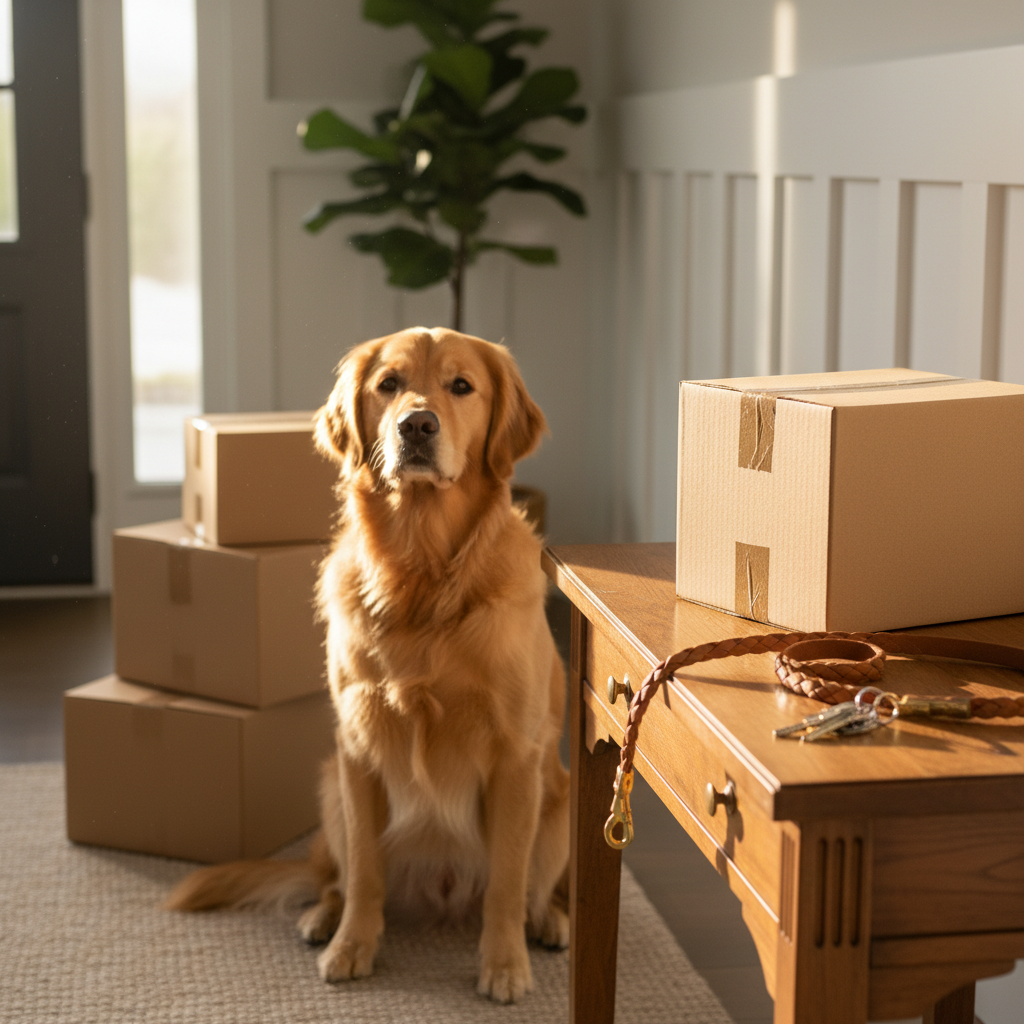
- Keep packing supplies hidden as long as possible. In the few weeks before you move, start to desensitize your dog to the sight of moving boxes and other moving supplies (like the sound of packing tape). Have you noticed that dogs key in very quickly to things that predict a change in routine? Pull out a suitcase, and many dogs know you’re leaving on a trip, and this can trigger anxious behavior.
- Crank up exercise. Exercise is a great way to lower stress. Before the move, give your dog plenty of playtime. Tired dogs are less likely to spiral over changes happening around them.
- Stay calm yourself. Your dog can read your mood. Stay upbeat and positive even though you may be tense to help your dog stay calm and relaxed about the changes going on in the house.
- Get them out on moving day. If possible, the best gift you can give your dog is distance from the chaos. If possible, have your dog stay with a trusted friend, family member, or at a reputable daycare while the heavy moving happens. All those open doors and strangers carrying boxes is sensory overload.
What to Prepare in Advance
Moving day prep starts well before the moving truck shows up. Think about the immediate needs your dog will have in the new space.
Set up a special area just for your dog to help them feel secure in the new home. This space should have familiar things like their bed, favorite toys, and something that smells like you or the old home. You’ll want this room ready to go on arrival day—it becomes their safe haven while you’re unloading boxes and unpacking.
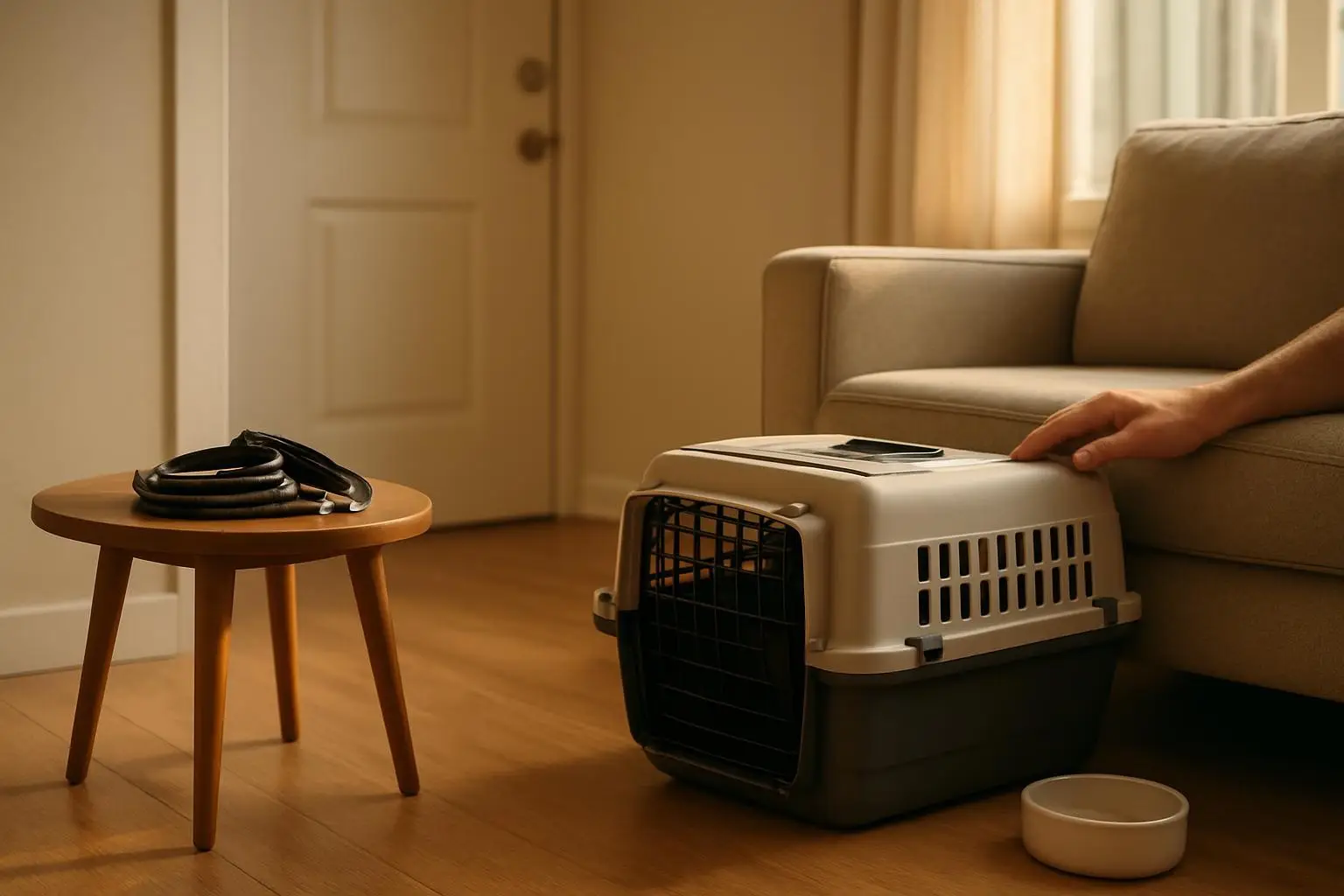
One thing that makes a big difference: don’t leave behind your dog’s old bed or crate just because you want a fresh start. When moving with an older dog or a dog very attached to their home and routine, one of the kindest things you can do is to take your dog’s current unwashed bed or crate with you and set it up in the new home before you arrive. The same extends to blankets and other bedding, and even your dog’s bowls. The more you can transfer the sights and smells of your current home to your new home, the better equipped your dog will be to feel at home in their new surroundings.
Once you arrive, don’t open all the doors and let your dog loose everywhere at once. Most people make a mistake: they open the front door and let their dog explore the entire house. A brand-new space with unfamiliar smells, strange sounds, and a completely different layout is overwhelming when presented all at once. Instead, introduce the new home gradually. Start with one room. Set up your dog’s crate, bed, bowls, and a few familiar toys in a single space.
Once you arrive at your new home, it’s important to pet-proof the house before letting your dog wander at will. Ensure the old owners didn’t leave any chemicals or other hazards behind and put away your cleaning supplies as soon as you unpack them. Inspect the fence for holes or other ways your dog could escape.
Supplements Before Moving
If your dog tends toward anxiety or you know the move will be particularly stressful for them, talk to your vet about whether calming supplements make sense. Depending on your dog’s unique health and personality characteristics, they may need medical support at certain points throughout your move. Meet with your veterinarian to discuss supplements and medications for stress, motion sickness and other concerns.
Calming behavioral supplements for dogs may include calming treats, herbal supplements, dietary supplements, and calming diets. If you want to explore this route, there are several solid options:
- Probiotic-based supplements. Supplements containing a strain of beneficial bacteria shown to help dogs maintain calm behavior can help support dogs with anxious behaviors such as excessive vocalization, jumping, pacing, and spinning, and help dogs cope with external stressors like separation, unfamiliar visitors, novel sounds or changes in routine and location. These often take a few weeks to reach full effect, so start them early if you go this route.
- L-theanine and herbal blends. L-theanine, saffron extract, and colostrum are ingredients in calming complexes that target neurotransmitters in the brain to decrease anxiety, particularly useful for situational anxiety like travel stress. These are available through brands like 1800PetMeds, where you can get 20% off using code WELCOME20 at checkout.
- Pheromone products. Dog appeasing pheromones (DAP) is the pheromone that female dogs make after they have puppies, which keeps the puppies feeling safe and secure. You can buy plug-in diffusers or dog collars infused with DAP into the air—the calming sensation has been shown to work on adult dogs too. Plugging in a diffuser or putting a pheromone collar on your dog should be done at least 24 hours before you start any changes at home, including packing.
Supplement brands like Zesty Paws offer calming options with free shipping on orders $60 or more, and BudgetPetWorld provides 12% off sitewide with free shipping. When you’re thinking about supplements before moving—and potentially best supplements for dogs after moving—these are solid places to start your search.
P.S. This post contains affiliate links at no extra cost to you. The products featured here consistently showed up as top options during our research, and we aim to provide the most accurate and helpful information possible.
FAQ
How long does it take for a dog to adjust to a new home?
How much time you need depends on things like how far you’re moving, how well your dog deals with stress, and if they need to learn any new things. For most dogs, expect the adjustment period to be a few weeks. Stick to routine, give them space to explore, and stay patient.
What are signs my dog is really stressed about the move?
Some dogs respond by becoming clingy and following you from room to room. Others become withdrawn, lose their appetite, or start showing behaviors they had outgrown, like accidents in the house or separation anxiety symptoms. If you notice these signs, it’s a good time to dial up exercise and calm time with your pup.
Should I change my dog’s food during a move?
Avoid changing your dog’s food or gear right after moving. Your dog is already going through a lot, so it’s not the best time to introduce new food or a new harness. Keep everything as consistent as possible for the first few weeks.
Is it better to have my dog stay elsewhere during the move?
It depends on your dog. If they’re highly anxious or you know the chaos will stress them out, yes—having them stay with a friend or at daycare is a solid choice. If your dog is more easy-going, keeping them confined to one safe room during the move also works. The key is keeping them away from the open doors and commotion.
What should I do on my dog’s first day in the new home?
When you arrive at your new home, place your dog somewhere quiet and safe away from the open door and chaos of unloading. If possible, set up your furniture in the new home in a similar pattern to ease your dog’s response to the change. Let them explore one room at a time, and keep them close while you’re unpacking.