
Why Your Dog Is Not Eating After Moving
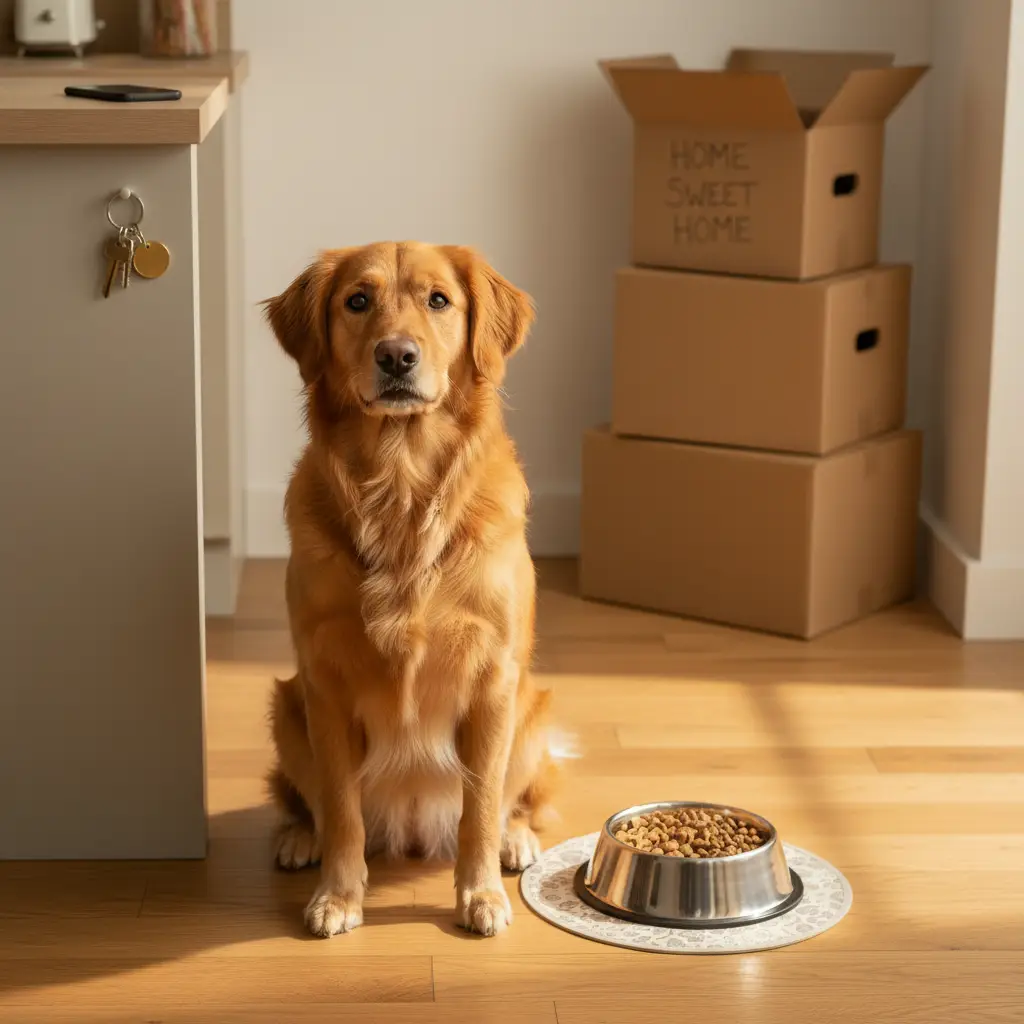
Moving with your dog can feel stressful enough without watching your pup push away their food bowl. Whether you’re an apartment renter upgrading to a new place or relocating to a different city altogether, your dog’s sudden loss of appetite is more common than you might think—and usually fixable. So what’s actually going on, and when should you start worrying?
Why Dogs Lose Appetite After Moving
Dogs can refuse food after moving because of stress from the move leading to anxiety or depression – or motion sickness from the journey. The transition hits them harder than you’d expect. Most dogs are highly place-sensitive – when they are in a new location, most have to relearn how to be alone. Everything they knew—the smells, the sounds, the layout of their home—suddenly changed. That triggers their fight-or-flight response, which literally shuts down appetite.
A few other things can play into it:
- Anxiety from being somewhere unfamiliar: Stress and anxiety can inhibit your dog’s natural appetite. It’s common for dogs that feel anxious to refuse food and even their higher-value dog treats.
- Motion sickness: After a move, if it includes a lot of travel, it’s possible that your dog is simply feeling queasy and needs some time for his stomach to settle.
- Environmental allergies: A dog will sometimes stop eating because of an allergy or a sensitivity to something in his new home. Are there new plants in the garden? Did you have wooden floors everywhere in your old home, and now there’s carpeting? It could be your dog is experiencing a reaction to a new substance.
- Separation anxiety: Dogs who have been happy spending a few hours a day alone can become clingy and anxious in a new home.
- Feeling lonely or depressed: Some dogs can experience depression after a move. After all, they may have had doggie (or human) friends in their old home that they are missing.
When It’s Normal vs. Concerning
Given the stress involved with moving to a new place, it’s normal for some dogs not to want to eat after moving. If your dog was eating fine before you moved, chances are he’s having trouble adjusting to his new home. Some dogs will not want to eat for a few hours and then gobble up their food. Other dogs will not want to eat for at least a day. Both situations are perfectly normal.
However, there’s a line. It is not uncommon for dogs to experience stress-related appetite changes for a few days after a move. If your dog refuses food for more than 48 hours, a vet consultation is wise. Also reach out to your vet if:
- Your dog hasn’t eaten for 8 to 12 hours, but he has vomiting or diarrhea
- Your dog is licking his lips excessively, looking worried, or belching more than usual
- Your dog shows a loss of energy, pale gums, or decreased urination, these would indicate a need for a vet visit
If your dog seems totally fine otherwise—still drinking water, playing, acting like themselves—give them a couple of days. The appetite usually bounces back once they adjust.
How to Help Your Dog Eat Again
Patience is the foundation here, but there are practical steps you can take to support their recovery.
Keep things familiar. You can increase your dog’s appetite after moving by sticking to familiar smells for his comfort, trying tricks with his food, and recreating old routines to help him feel more secure in his new home. Use the same food and water bowls they had before. Set mealtimes at the same times they ate at your old place. If they had a favorite bed or toy, position those in their eating area.
Create a calm eating space. Give your dog a safe space to eat their meals where they aren’t bothered by children, guests, or other animals in the home. A quiet corner away from foot traffic works best.
Try appetite-boosting tricks. If dry kibble isn’t cutting it:
- Adding warm water to your dog’s dry food and letting it soak for a few minutes makes it easier for your dog to chew if they are suffering from dental pain. Adding water can also increase the flavor’s scent for your dog, which might encourage them to take a few bites.
- If your dog is refusing to eat their usual dry food or kibble, try offering them wet food instead. Wet food is often more appealing to dogs because of its stronger smell and taste.
- Many picky dogs are persuaded to eat their meal when their owners add a