
How to Prevent Cat Damage in a Rental
Living with a cat in a rental comes with its own set of challenges, especially when you’re trying to keep your security deposit intact while making sure your furry roommate feels at home. Scratched furniture, mysterious urine smells, and damaged blinds are common rental landlord nightmares—but they’re mostly preventable with the right setup and habits. The key to prevent cat damage rental is understanding what cats naturally want to do and giving them better alternatives than your walls and carpet. So how do you keep your cat happy without getting dinged thousands in damage fees?
Set Up Designated Scratching Zones
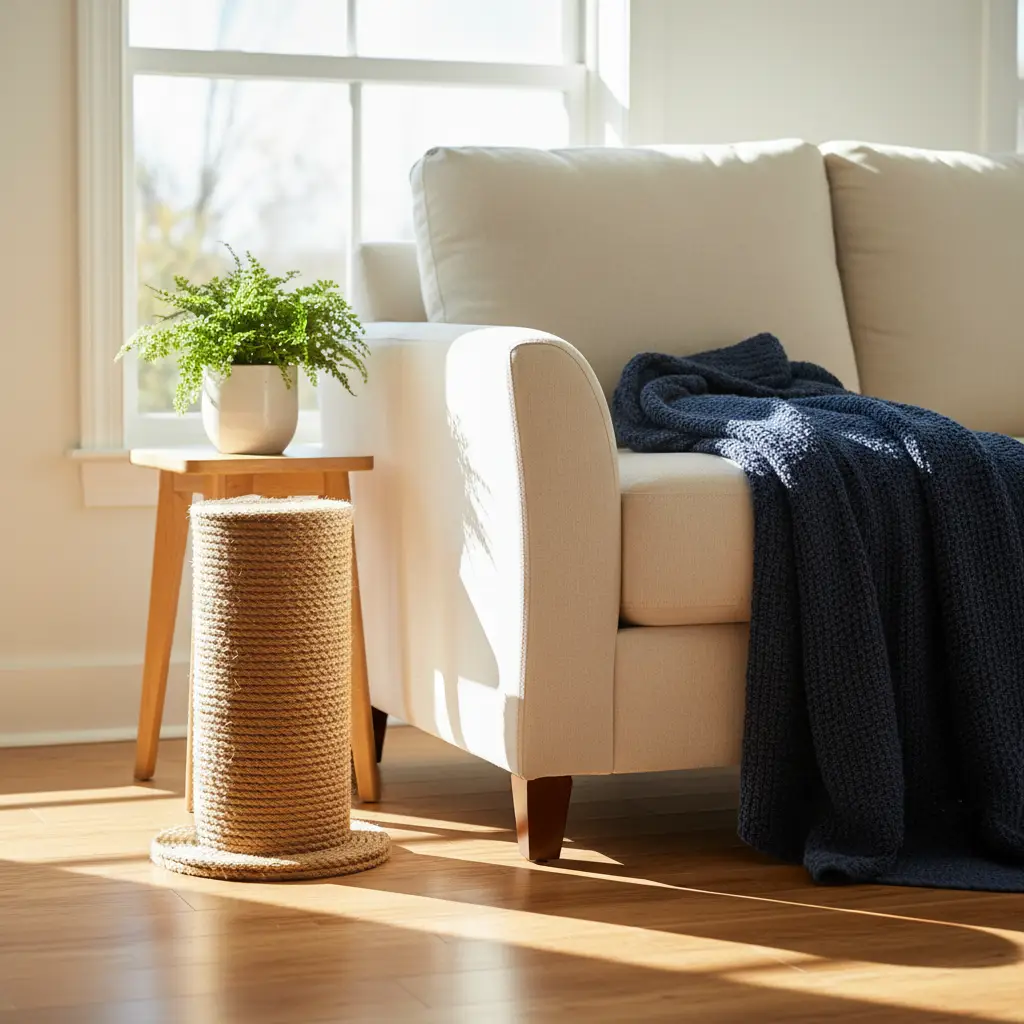
Cats naturally like to scratch, whether on furniture or walls, and this normal behavior can be mitigated by providing scratching posts in the rental property. The trick is making these posts irresistible to your cat before they find your door frames and sofa.
Buy several scratching surfaces or scratching posts and place them in several prominent areas of the house. Place containers of special treats in the rooms with the scratching posts, and when your cat scratches on the post, offer praise and a treat reward.
Strategic scratching post placement is your most important defense against damage to your rental. Position posts near furniture your cat might otherwise target, particularly near corners and high-traffic areas. If your cat likes horizontal surfaces, place flat cardboard scratchers under furniture like the couch or bed—these pads are low-profile, inexpensive, and easy to replace.
Protecting Vulnerable Surfaces
While your scratching posts do the heavy lifting, you’ll want backup protection for spots cats gravitate toward. Apply clear double-sided deterrent tape to door frames and baseboards to protect them without damaging the space. These tapes deter cats without damaging the furniture and are easily removable.
Door-scratching is especially common. When a closed door separates a cat from something they want access to, they often scratch at the carpet directly in front of the door because it represents a territorial boundary they cannot cross. Carpet protector mats—clear, heavy-duty plastic mats—can cover the vulnerable carpet section in front of each door. The textured underside grips the carpet without adhesive, and the smooth top surface provides nothing satisfying to scratch. They’re completely removable with no damage.
Regular Claw Maintenance
By trimming your cat’s claws every few weeks, you can help reduce the scratching urge and the damage it can cause. This isn’t a replacement for scratching posts—cats still need to scratch—but it makes the damage less severe when they do.
Manage Litter Box Issues
Inappropriate urination is one of the costliest types of rental damage, and odor problems can follow you through your entire tenancy. When stressed or anxious, cats often urinate in inappropriate places, such as carpets and furniture. This type of damage sometimes requires professional cleaning services to remove odors.
Keep the Litter Box Pristine
When renting with a cat, managing the litter box situation is paramount. The lingering scent of an unkempt box can lead to landlord grievances, especially during property inspections. For a fresh-smelling home, adopt a routine: clear out waste and urine-soaked litter daily.
Litter box location deserves careful thought. Seek spots offering privacy for your cat but convenience for you—bathroom corners, laundry areas, or closets with the door propped open work well. Providing more litter boxes and more locations, cleaning soiled areas with antimicrobial or enzymatic cleaners, and cleaning the litter box more frequently can decrease or eliminate marking in some cats.
Address Stress and Anxiety
Urine marking is a normal cat behavior for either sexual or stress/anxiety-related motivation, and environmental stressors can incite and exacerbate urine marking. If your cat is stressed by a move, new roommates, or schedule changes, they’re more likely to mark territory outside the box. Designate one room as a “safe haven” with familiar items from your previous home. Place their favorite bed, toys, food, water, and litter box in this space, allowing them to adjust gradually before exploring the entire apartment.
Prevent Chewing and Cord Damage
Felines may chew on baseboards, window frames, curtains, and electrical cords, which can create an additional expense if repairs are needed. Chewing is often a sign of boredom or stress, so the solution involves both protection and enrichment.
Cats can get bored if they don’t have fun and stimulating things to do, and boredom can lead to behavior issues. There are lots of ways you can provide your cat with enrichment, including interactive toys such as wand toys, along with other toys and food puzzles.
For immediate protection, if your cat goes after electrical cords, invest in cord covers. Keep valuable or fragile items off shelves where your cat can knock them down.
Protect Blinds and Windows
Cats love getting up high and looking out windows. Though a harmless action, if your blinds are in their way, they will see the brunt of it, bending and snapping. If you are able to lift the blinds, leave them open with enough room for the cat to comfortably get up and look out. If you prefer they don’t go on the windowsill or need to keep the blind shut, tape off the windowsill with double sided tape to discourage your cat from jumping up. Also consider getting them a cat tower or another place to get up high and watch from.
Instead of the landlord’s blinds, replace fragile landlord blinds with tension-rod curtains, which are renter-friendly and much easier to remove when you move out.
Create Vertical Space Without Damage
Cats need to climb and explore, but you can’t drill into rental walls. Cats need vertical space, cozy hideaways, and scratching zones to feel safe and stimulated indoors. Without these outlets, they may become bored or stressed—leading to destructive behaviors or unhappiness.
Use tension-mounted floor-to-ceiling cat trees instead of wall-drilled shelving. Window perches provide mental stimulation, sunbathing opportunities, and a sense of security for indoor cats—all without putting a single hole in the wall. They’re one of the easiest upgrades you can make in a rental apartment with a huge impact on feline happiness.
Cats instinctively seek high vantage points. Tall bookshelves, wardrobes, dressers, and cabinets can all become part of a climbing network. You can even create multi-level “cat trails” by strategically placing furniture near each other so your cat can leap from one to the next.
Control Odors Proactively
Beyond the litter box itself, odor management keeps landlords happy and neighbors peaceful. Use waterproof mats under litter boxes, food bowls, and pee pad stations to catch spills and stains before they soak into tile grout or laminate seams.
Odor control ranks high on landlord concerns. Daily litter box scooping, weekly complete changes, and quality odor-neutralizing products help maintain a fresh-smelling apartment. Good ventilation makes a tremendous difference too—open windows when weather permits or use air purifiers during extreme seasons.
Regular grooming reduces the amount of hair and dander that accumulates in carpets and upholstery. Even short-haired cats benefit from weekly brushing sessions, which can prevent excessive shedding while strengthening your bond with your pet.
Handle Accidents Quickly
Mistakes happen. The faster you clean, the better. Harsh chemicals can damage surfaces and harm your pet. Opt for enzyme-based or pet-safe cleaning sprays to tackle accidents fast without affecting finishes. Many also neutralize odor instead of just masking it.
If your cat has a hairball or accident on carpet, don’t panic. Remove solids gently without pushing them deeper into the fibers, then blot with a wet cloth and use an enzyme cleaner to break down organic matter.
Spay or Neuter Your Cat
Encouraging your cat to be spayed or neutered is a great way to ensure the animal is healthy and unlikely to cause disturbances. Encouraging responsible practices, such as regularly scooping litter boxes, can help control odors and pests. Fixed cats are also less likely to spray or mark territory.
Know Your Lease and Use Renter-Friendly Solutions
Before you start catifying your space, review your lease agreement to understand what is and isn’t allowed. Some landlords are pet-friendly but still prohibit any kind of wall mounting, paint changes, or structural modifications—even if they’re temporary.
Stick to damage-free solutions: tension rods, removable adhesive strips, free-standing furniture, and protective mats. When you move out, these should leave your rental in the condition your landlord expects.
FAQ
Will my security deposit cover scratch damage?
Prevention is cheaper than repair. Invest in proper scratching solutions to avoid deposit deductions. Landlords can use your deposit to cover damage repairs, so it’s worth the upfront effort to prevent problems in the first place.
What’s the best type of scratching post for a rental?
Opt for tall scratchers that lean against the wall or stand freely. Choose heavy, stable bases that won’t tip, and look for materials like sisal, jute, or corrugated cardboard. Make sure the post is tall enough (at least 3-4 feet) so your cat can fully stretch when scratching.
Can I use deterrent sprays on furniture to stop my cat from scratching?
Deterrent sprays and double-sided tape work for some cats but aren’t foolproof. The most effective approach combines redirection (providing better scratching surfaces) with deterrents. If your cat ignores the tape and keeps scratching, try moving a scratching post closer to that spot and rewarding them when they use it instead.
My cat keeps scratching at the carpet near the door. How do I stop this?
This is extremely common and usually means your cat is frustrated by the closed door. Try a carpet protector mat over that exact spot, place a scratching post right there too, or prop the door open more often so your cat has better access. Managing what your cat wants to access is often the simplest fix.
How often should I scoop the litter box to prevent odors and accidents?
Clear out waste and urine-soaked litter daily. Weekly complete changes with fresh litter also help. The cleaner the box, the more likely your cat is to use it exclusively and the fresher your apartment will smell to landlords and neighbors.