

How to Handle a Pet Emergency When You Rent
Your dog collapses unexpectedly, or your cat starts having trouble breathing at 2 a.m. A pet emergency apartment situation isn’t something you want to figure out in the moment—it’s stressful enough without scrambling to find a vet or wondering if your landlord will let you back in. The good news is that you can prepare now so you’re ready to act fast if something happens to your pet.
Know Where the Emergency Vet Is Located
One of the first things to research when moving into a rental is the proximity to emergency veterinary care, as you always want to make sure these services are near your apartment in case of a pet emergency. Don’t wait until you have a crisis to search for this.
Ask your family veterinarian where to go if your pet needs help when they are unavailable, especially evenings or on a weekend or holiday, and save this information in your phone and post it on your refrigerator. Keep the Pet Poison Helpline number available (855-764-7661) as a contact in your cellphone, in case you need quick advice about a potential toxin.
Know the address and route to the nearest 24-hour emergency clinic. If you live in a multi-story building or an area with limited exits, plan your quickest way out. This matters when every minute counts.
Build a Pet Emergency Kit
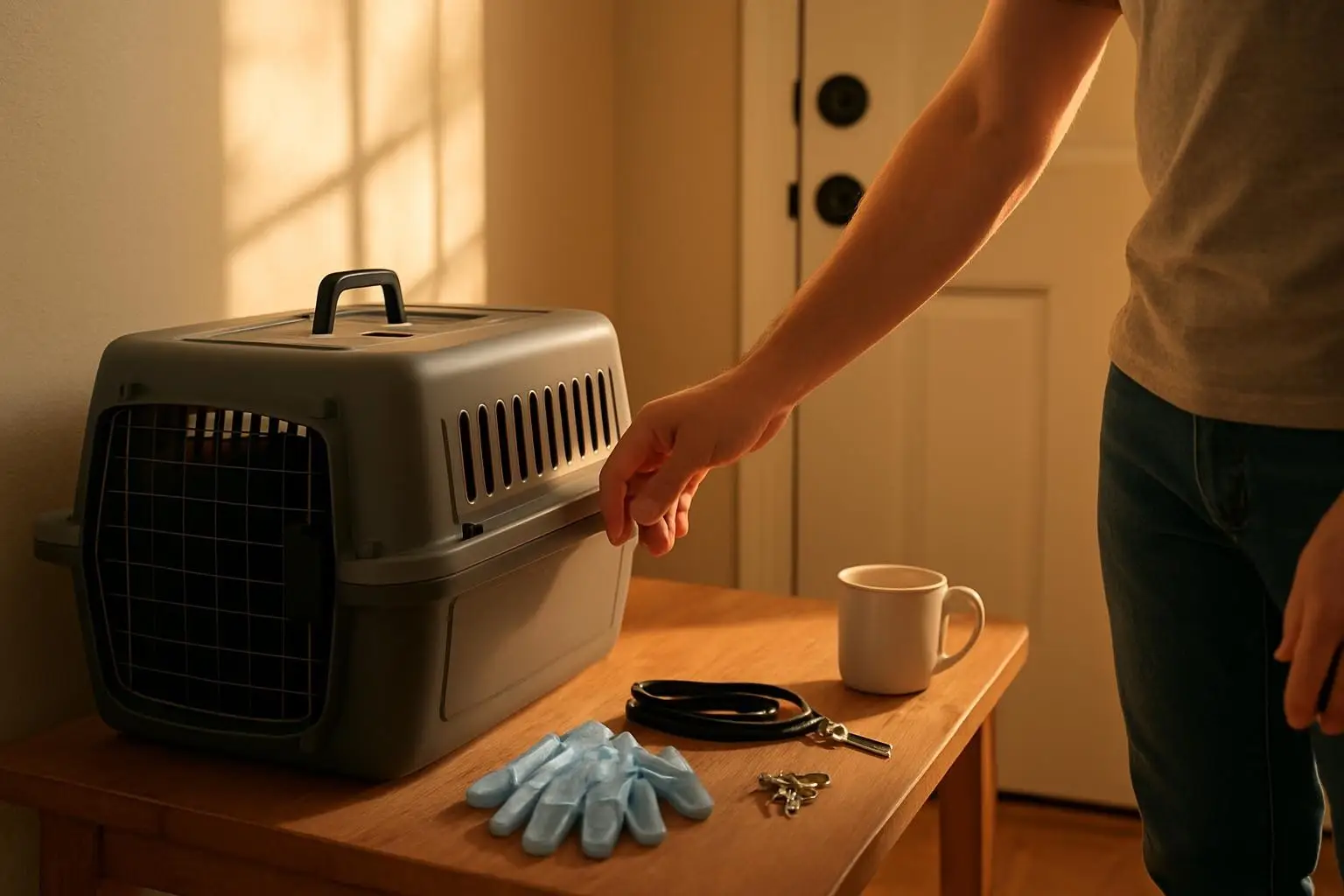
An emergency kit specific to your pet keeps essential supplies in one place so you don’t have to hunt for things under pressure. This is different from general household emergency supplies—it’s all about what your pet needs to survive and stay safe.
What to Include
- Food and water: Keep several days’ supply of food in an airtight, waterproof container. Store extra water too, since dehydration is a risk if your pet is stuck at home.
- First aid supplies: Keep a stocked pet first-aid kit on hand. Ask your vet what items are most useful for your pet’s specific needs.
- Medications and medical records: Bring a list or photo of any medications your pet takes on a regular basis. Keep copies of your pets’ medical records on hand so that if they are treated in an emergency, veterinarians know about any prior health conditions; if your pet requires medication, always have a back-up supply on hand in case a disaster strikes.
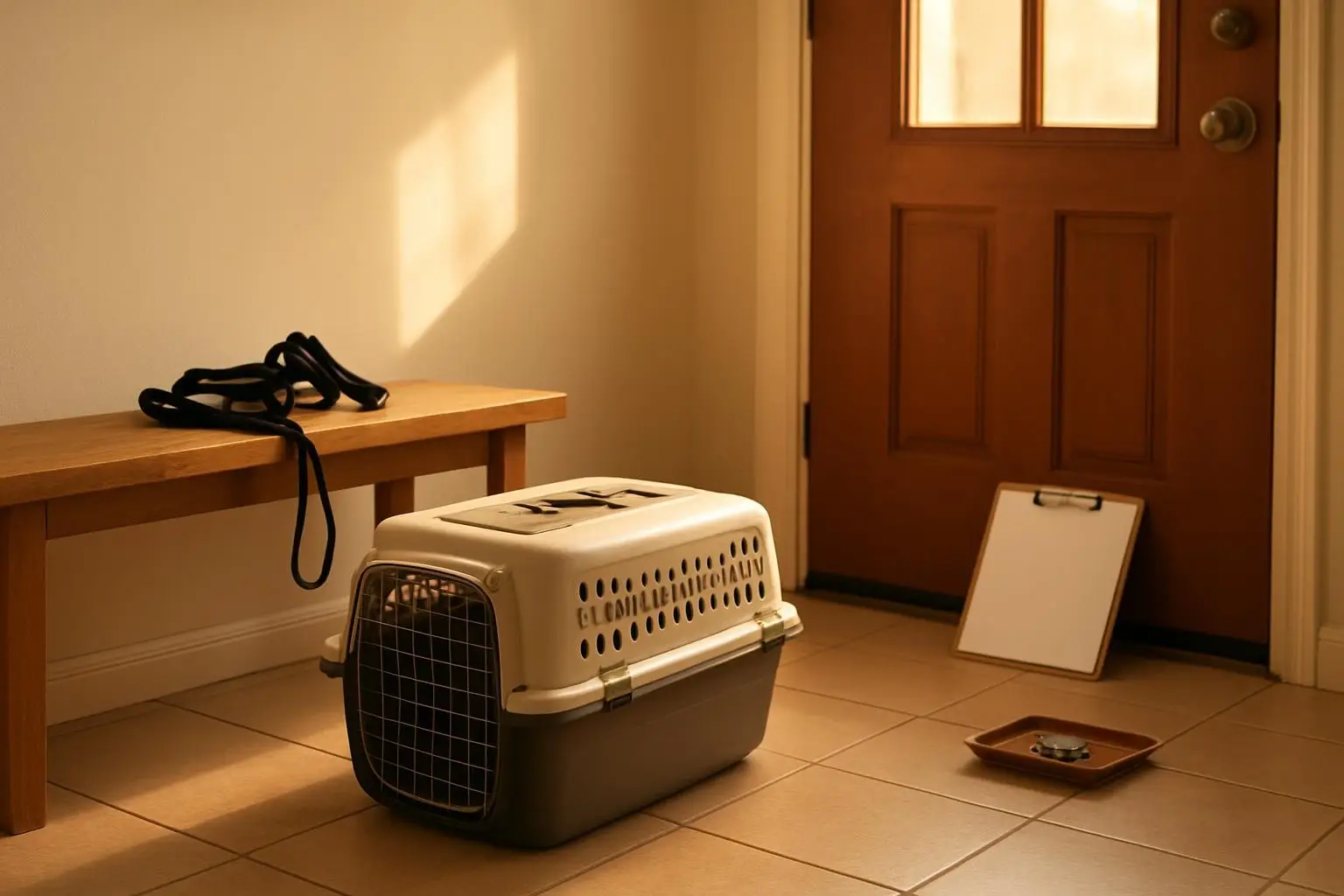
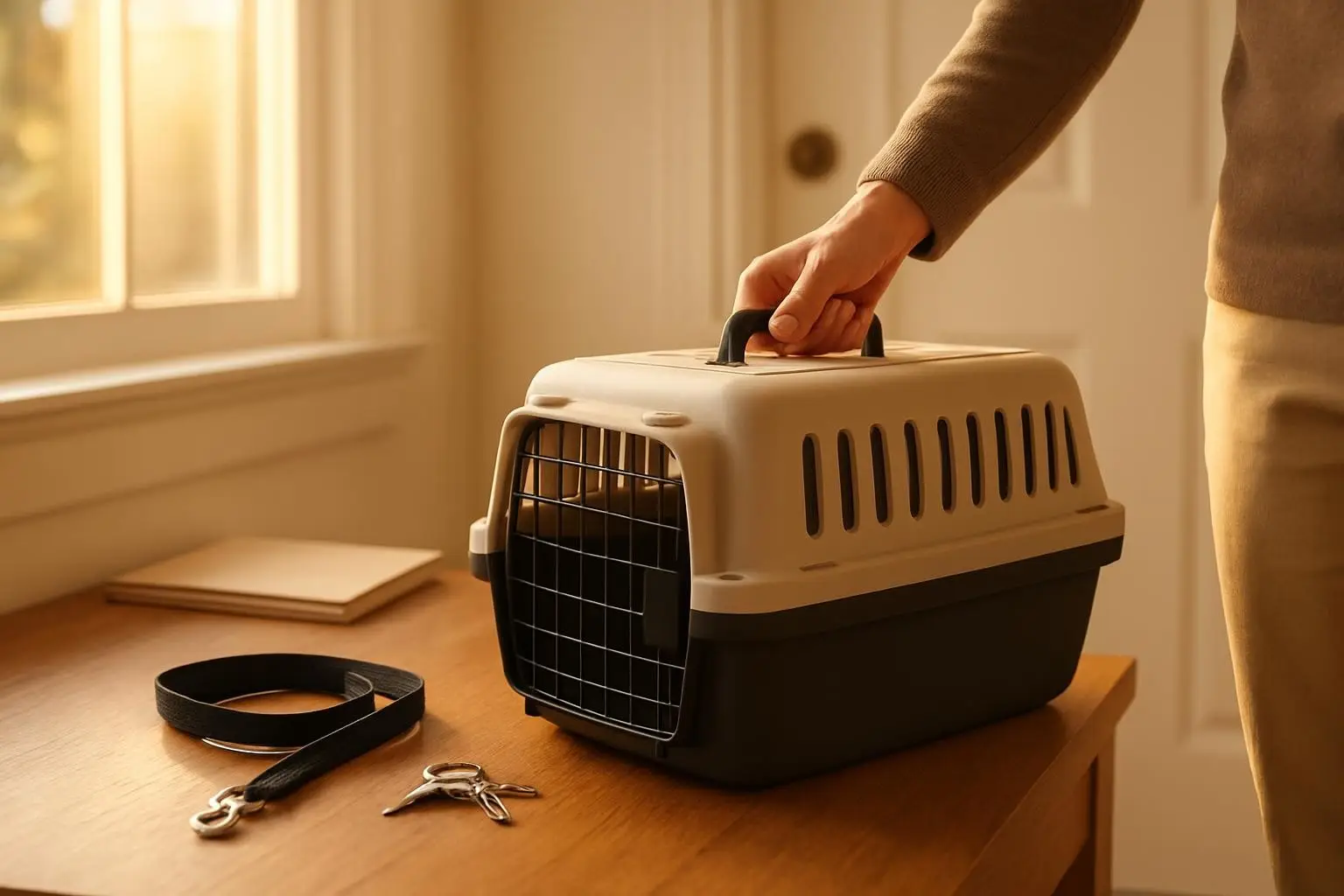
- Collar, leash, and carrier: Have a collar with ID tag and a harness or leash, including a backup leash, collar and ID tag, and a sturdy carrier or traveling bag for your pet.
- Recent photos: Include a picture of you and your pet together, which will help you document ownership and allow others to assist you in identifying your pet if you become separated during an emergency.
Where to Store It
Keep your kit in an easily accessible spot—not buried in a closet or tucked away where you can’t grab it fast. A labeled container in or near your front door works well. If you need to evacuate, you should be able to get it without hesitation.
Keep Important Records and Identification
If your building requires pet registration, make sure your information is current; microchip your pet or use a collar with an ID tag in case they slip out during a move or maintenance visit. Microchipping is especially important in rental situations because having your pet microchipped by your veterinarian is one of the best ways to ensure you and your pet are reunited if you are separated.
Identify your pets at all times with collars or microchips; collars should display your name, telephone number and an emergency contact, while microchips are a secure means of assuring that your pet is identified via an electronic device that is painlessly implanted in your pet’s shoulder area.
Keep your pet’s vaccination records, medical history, and any proof of training somewhere you can find them fast. A simple folder or digital file works—the point is having it ready if a vet needs to review it during treatment.
Communicate With Your Landlord and Neighbors
Your landlord and neighbors are important allies in a pet emergency, though they may not realize it yet. In case of a scheduled or emergency entry to your rental, especially when you aren’t home, it’s important the staff knows you have pets, as you don’t want your cat slipping out the door or your dog thinking someone is breaking in.
Inform your landlord, neighbors, friends and relatives that you have pets in your home that may need their care in the case of an emergency, and make sure that at least two individuals have keys to your home and are familiar with your pets.
Affix a pet evacuation sticker on your front door or on the front door of your refrigerator indicating the number of pets residing in your household and an emergency contact number in case the animals must be removed without your knowledge, particularly in the case of cats that may hide when frightened.
Know What to Do in the Moment
When an emergency happens, staying calm is your first priority. Remain calm, as your pet will be scared and may be in pain, and use caution in moving them to avoid getting bitten.
Basic Emergency Steps
- Assess the situation: Determine if your pet is conscious, breathing, and responsive.
- Contact the vet immediately: Contact your family veterinarian or your nearest after-hours emergency facility. Have that phone number ready so you don’t waste time searching.
- Transport safely: Cats should be put in a carrier for safe transport; dogs should be on a leash with a snug-fitting collar or harness.
- Gather information: If possible, try to gather all the information you can about the substance if your pet has ingested a toxin, the amount potentially ingested, and the time it was eaten, and bring the package if possible or take a photo of it; do not induce vomiting unless instructed by your veterinarian.
Specific Scenarios
Poisoning: If you suspect your pet has eaten something poisonous, contact your veterinarian or a poison control hotline immediately and do not attempt to induce vomiting without a professional; you can contact ASPCA Poison control by calling 888-426-4435.
Injuries or trauma: If your pet is bleeding, apply gentle pressure to the wound with a clean cloth or bandage and, if possible, elevate the injured area; if your pet has a broken or fractured bone, try to immobilize the area and be cautious not to cause additional harm.
Heatstroke: Move your pet to a cooler environment, provide water to drink, and seek veterinary attention immediately.
Consider Pet Insurance and Renters Insurance
Emergency vet care is expensive. In general, emergency care will be more expensive than daytime care; costs vary widely depending on the region, and it is important to think about the cost of emergency care before your pet needs it. Often, pet insurance can help to offset emergency care costs; it’s important to have insurance before the need for care, as preexisting conditions are often not covered; if pet parents do not have insurance, other options include creating an emergency fund or getting a credit card to be used only for pet care.
Renters insurance is also worth looking into. Renters insurance usually covers dog bites under liability coverage, meaning medical bills, legal fees, and even settlements could be handled by your policy if someone decides to sue. This protects you financially if your pet injures someone, though renters insurance won’t cover vet visits, medications, or emergency surgeries for your pet.
Have a Caretaker Plan in Place
Prior to moving in, provide your landlord with the name and contact information for a caretaker who will assume responsibility for your pet(s) should you become unable to care for the pet. This isn’t just about general pet care—it’s about what happens if you end up hospitalized or unable to get home quickly during an emergency.
Consider starting a