
How to Move with a Dog
Moving is chaotic for anyone, but when you’re moving with a dog, the stakes feel higher. Your dog is family, and the last thing you want is for them to feel lost, stressed, or unsafe while you’re juggling boxes and logistics. The good news: with a little preparation and the right approach, you can help your dog transition smoothly to their new home. So how do you make sure your furry best friend stays calm and comfortable during one of life’s most hectic moments?
Find a Pet-Friendly Apartment First
Before you pack a single box, you need to find a place that actually welcomes your dog. This is your foundation, and it’s non-negotiable. Look for apartments with nearby parks, walkable neighborhoods, and clear pet policies. Some buildings go above and beyond with dog parks, play areas, or pet amenities that make apartment living easier.
When searching for rentals, focus on options that let you filter by pet-friendly listings upfront. For example, Dwellsy allows you to create a pet profile with details like your dog’s species, breed, size, and weight, then filters listings to show only places that match your dog’s needs. This means you’re only spending time on apartments that actually accept your pup. Other rental search platforms like Apartments.com, Zillow, and Rent.com also let you filter for pet-friendly options, though results may vary. PetFBI is another resource that specializes in pet-friendly rentals across various cities.
Once you find a place you love, check the lease carefully. Ask about pet deposits, monthly pet rent, breed or size restrictions, and what amenities they offer. If the building requires vaccinations or a pet interview before move-in, have that paperwork ready. The earlier you know the rules, the better you can plan.
Prepare Your Dog at Least Two to Three Weeks Before
The best way to reduce your dog’s moving day stress is to start preparing them weeks in advance. If possible, take your dog to visit the new apartment or neighborhood a few times before the actual move. Give your dog a positive experience with the new place ahead of time by walking the neighborhood, sitting outside the building, or visiting the lobby.
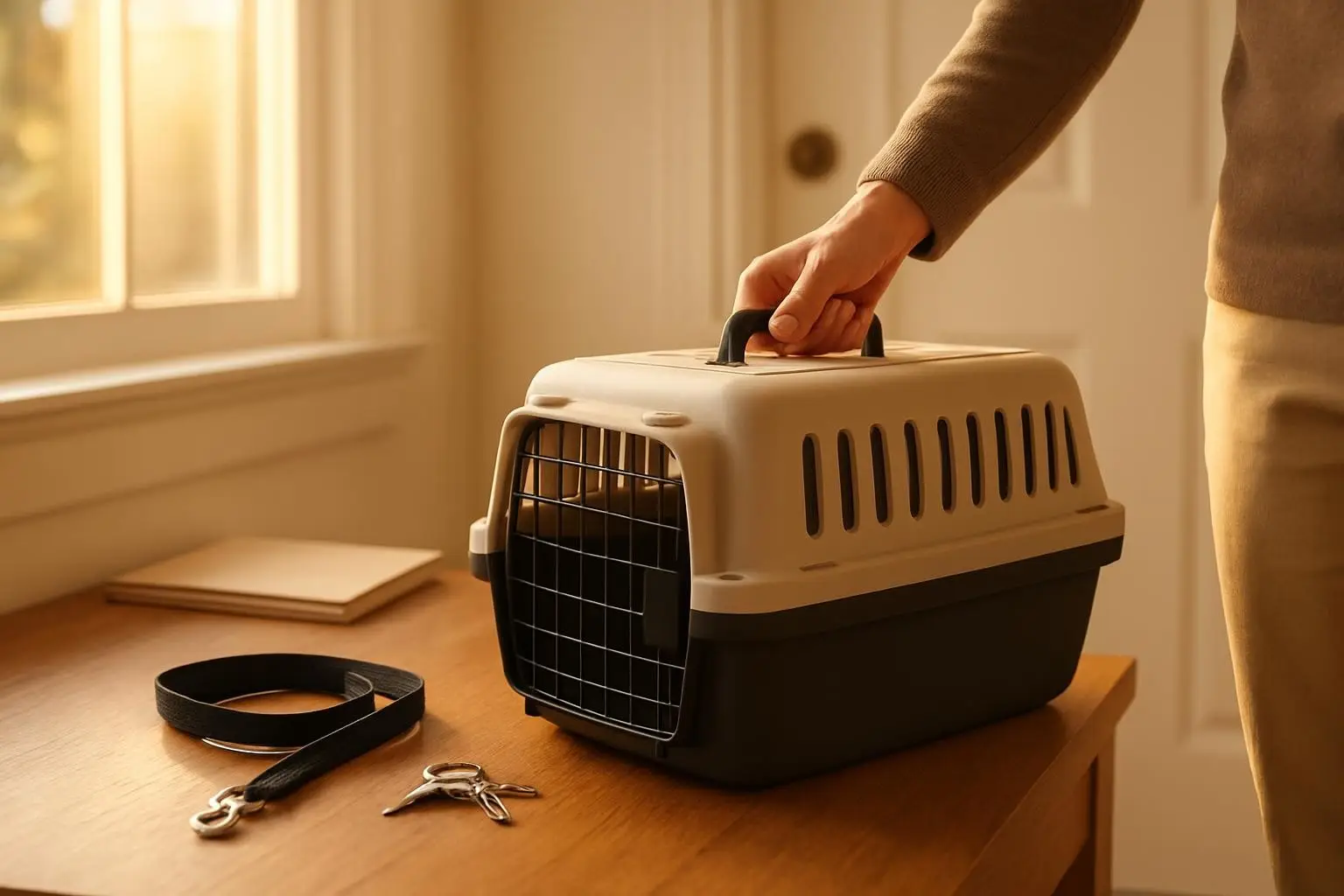
If you’re moving from a house with a yard to a smaller apartment, your dog needs to start adjusting to indoor play and leashed walks now. Practice these activities before moving day so they feel normal. Set up a space just for your dog in your apartment, whether that’s a crate or just a cozy private spot to decompress.
Introduce your dog to the sounds and sights they’ll encounter in apartment living. If you’re moving to a busier area, take them for walks in a busier environment before the move and download sound effects of common city noises to train your pet in advance.
For dogs that are anxious or reactive, this prep work is especially important. Socialize your dog so they’re comfortable around strangers and other dogs in tight areas like elevators, teach them to wait for permission before interacting with other dogs, and consider training for the Canine Good Citizen test. A certified dog trainer can help if your dog struggles with these situations.
Manage Moving Day to Keep Your Dog Calm
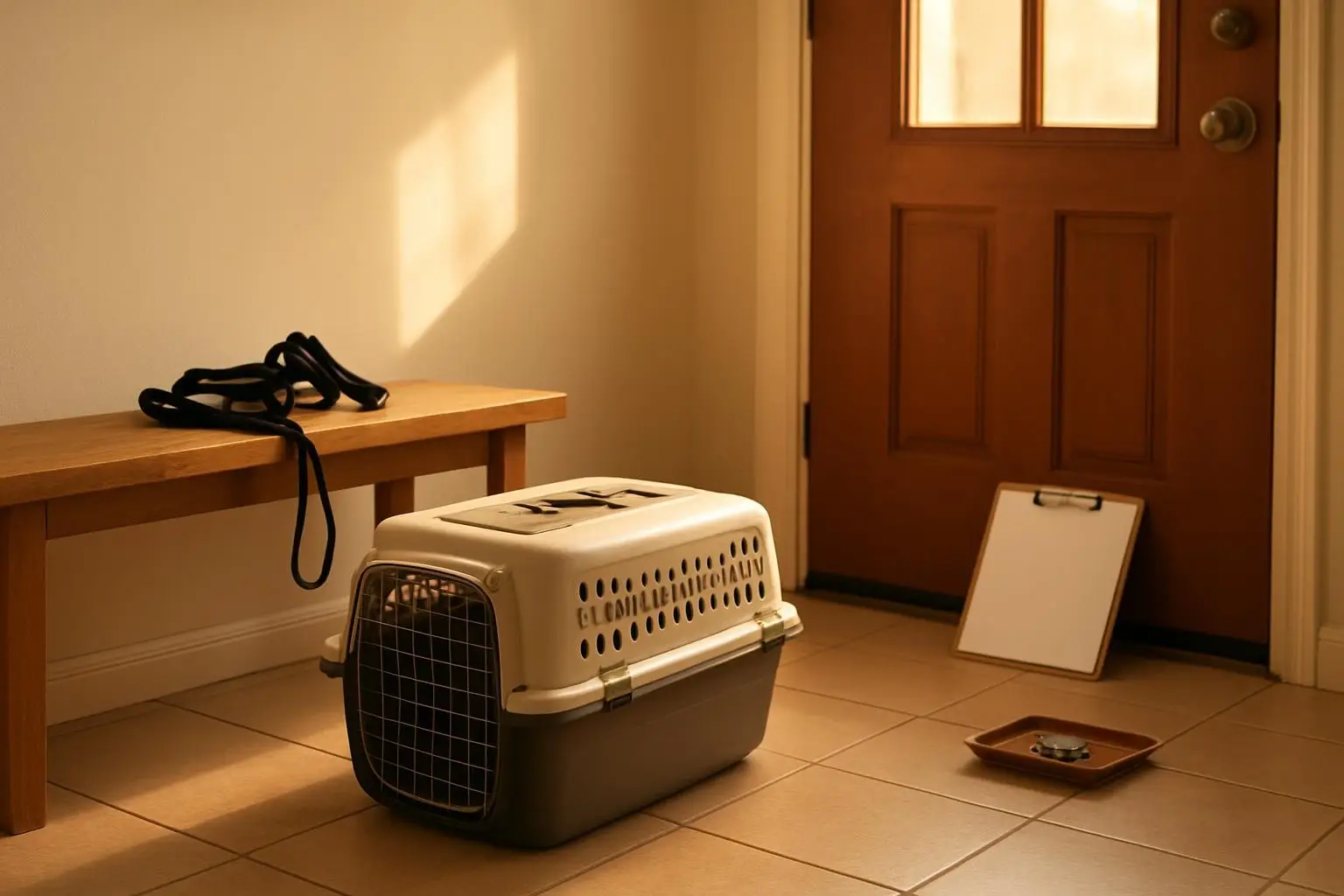
On moving day, your dog doesn’t need to be in the middle of the chaos. Have a strategy for where they’ll be at each stage—secure them in a room during packing and moving, and update their ID tags and microchip info to ensure they can be found if they get spooked.
If possible, arrange for a friend or family member to watch your dog for the day, or take them to doggy daycare or boarding. For particularly hectic moves, boarding your dog can be a lifesaver because staying at a familiar place allows them to avoid the stress of moving day and focus on adapting to a new place.
If you must keep your dog home, set up a quiet room with their bed, water, toys, and familiar blankets. Reward your dog for calm and quiet behavior during the move and give your pet something to do, like chewing on a food-stuffed toy. Keep them away from the chaos of doors opening and closing where they might bolt.
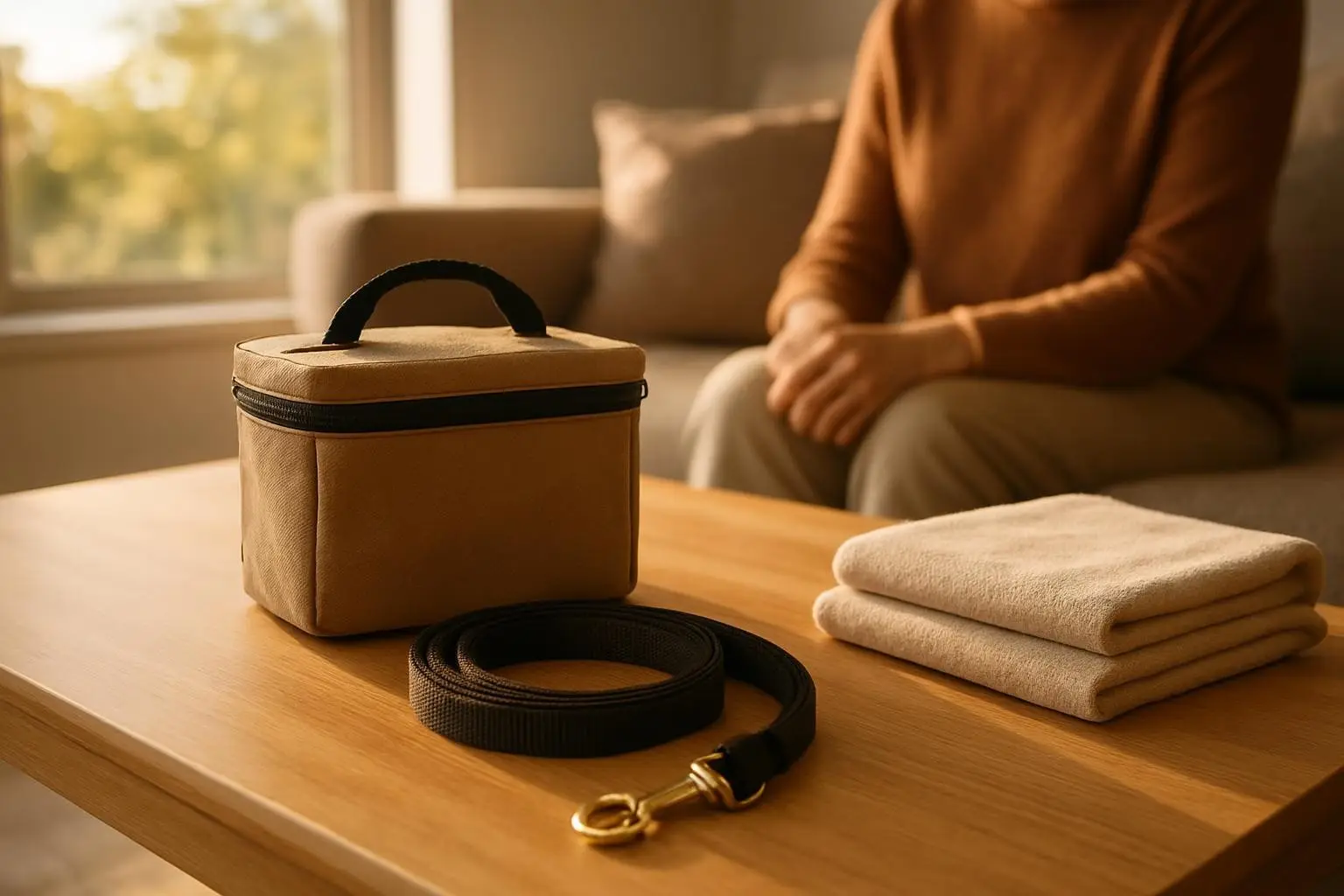
Give your dog a T-shirt or towel that smells like you and your old home during the move to act as a security blanket. This familiar scent goes a long way in soothing their anxiety.
Set Up Their Space Before They Arrive
Before bringing your dog to the new apartment, take a few minutes to set up their essentials. Place your dog somewhere quiet and safe away from the open door and chaos of unloading, and if possible, set up your furniture in a similar pattern to ease your dog’s response to the change.
Designate a quiet room or area for your dog with their bed, toys, water, and crate. Use items they already know and love—don’t upgrade their bed or toys just yet. Familiar objects make a huge difference. Rub your old shirt on corners, doorframes, or floor areas where the dog will spend the most time to spread familiar scents that comfort them.
Try to place your dog’s belongings in the same places, such as a bed in the living room and dishes beside the fridge. Consistency helps them adjust faster.
Establish Routine Immediately and Stick to It
Create and establish a routine in the apartment immediately since a dog becomes comfortable more quickly in a new space when it understands what to expect, with a schedule for everything including walking and feeding.
Walks are especially important in an apartment. Experts recommend starting with 20- or 30-minute morning and evening walks plus, if possible, shorter jaunts during the day. Walks serve multiple purposes: they give your dog exercise, help them bond with the new neighborhood, and establish a consistent schedule.
Set and stick to regular potty breaks, especially after meals, naps, and play, with most adult dogs needing at least 3–5 breaks per day. Choose a designated potty spot near the building and return to it consistently. This helps your dog learn where to go and builds predictability.
Don’t get lax about walks or play times; if your dog normally goes for walks at 5 p.m., take them at that time, keep up games they love, maintain their feeding schedule, and feed them in the same location as in your old home.
Prepare for Apartment-Specific Challenges
Apartments come with unique challenges that houses don’t. Your dog will hear neighbors, hallway sounds, elevators, and other dogs in ways they might not be used to. These noises can trigger barking and anxiety if you’re not prepared.
Once you’ve moved in, your dog will be flooded with unfamiliar noises from the hall and neighbors, so it’s important you teach these sounds are no big deal by pairing noises with treats or a game so your dog sees them as predictors of something fun.
Keep your dog away from the front door where noises are loudest by using a dog gate, and block your dog’s view out the window with plants or curtains so they can’t see arousing distractions. Use tools like white noise machines or music to mask background noise.
Keep your dog occupied by providing puzzle toys or feeding them in a slow feeder so they can pass the time quietly engaged in mentally stimulating activities rather than barking at noises in the hall or chewing the baseboards.
For barking specifically, teach your dog to be quiet on cue. Reward them when they stay calm during sounds rather than reinforcing barking with attention.
Manage Exercise and Mental Stimulation in a Smaller Space
One of the biggest adjustments for dogs moving from a house to an apartment is the loss of free outdoor space. You can’t rely on a backyard anymore, so you need to be intentional about exercise and play.
Whether you’re in a house or an apartment, your dog needs your help getting an appropriate amount of exercise, which means walks, socialization, and games.
To tire your dog indoors, consider puzzle toys and brain games like hide-and-seek or trick training, and try nose work or an indoor agility course since mental exercise can be exhausting for dogs. Brain games and hidden treasures promote bonding between you and your dog; simply hide treats in your apartment and encourage your pup to seek them out, which makes a new environment very enriching.
If you’re searching for an apartment, prioritize a place with nearby parks and walkable paths for your daily stroll. Head to the local dog park where your dog will love the off-leash play time, and you both might find new friends.
Give your dog chew toys; chewing is good for both your dog’s dental health and emotional well-being, and if you’re away from home, chew toys help keep them focused so they’re less stressed by your absence.
Allow Time for Adjustment and Be Patient
Here’s something renters with dogs need to hear: adjustment takes time, sometimes a lot of it. It will take weeks (not days), or more likely months, before your dog is fully comfortable. Don’t rush them or expect perfection in the first few weeks.
Dogs who experience a gradually planned move adjust almost twice as fast as those who go through a sudden relocation, and stress-related behaviors like refusing food or having restless sleep drop significantly within the first 72 hours if the dog has familiar objects and a consistent routine.
Be patient with your dog; it may take a few days or weeks for them to become familiar with a new home and feel at ease. In the meantime, spend quality time together. The more you bond with your dog, the stronger your relationship will be and the better the dog will trust you in any new situation, and playing together and providing plenty of exercise will help comfort your dog.
Don’t forget the admin stuff either. Update your dog’s identification paperwork as soon as possible after moving, including licensing requirements from a new city or state, updating records with a new vet, and updating microchip information, which will be critical if you’re separated or your pet becomes lost.
FAQ
How long does it take for a dog to adjust to a new apartment?
Studies show that a dog can take anywhere from a few days to several weeks to feel comfortable in a new space, with the first few days often revealing signs your dog is stressed from moving and offering clues about how quickly they’ll adapt. Some dogs settle in faster, while others need months. Every dog is different.
Should I keep my dog with me on moving day or arrange childcare?
If possible, arrange for someone to watch your dog during the move. This keeps them safe, reduces their stress, and lets you focus without worrying about them. If that’s not possible, keep them in a quiet room away from the chaos and open doors where they might escape.
What’s the best way to handle barking and noise complaints from neighbors?
Start desensitization early by pairing hallway sounds and elevator noises with treats and games. Use white noise or music to mask background sounds, and reward quiet behavior consistently. If barking continues, consider working with a certified trainer, as it’s better to address it right away than deal with neighbor complaints.
Can I move my dog with me if I’m renting and wasn’t sure if the apartment allowed pets?
You need to find a pet-friendly apartment before moving in. Check your lease and talk to your landlord upfront about your dog. Moving in secretly with a pet usually violates your lease and could get you evicted or force your dog to be rehomed—not worth the risk when there are so many genuinely pet-friendly options out there.
How much exercise does my dog need in an apartment?
Most adult dogs need at least two long walks a day (20-30 minutes each) plus shorter potty breaks. Beyond walks, add mental stimulation through games, puzzle toys, and training. The combination of physical and mental exercise is key to keeping your dog balanced and preventing destructive behavior or excessive barking.