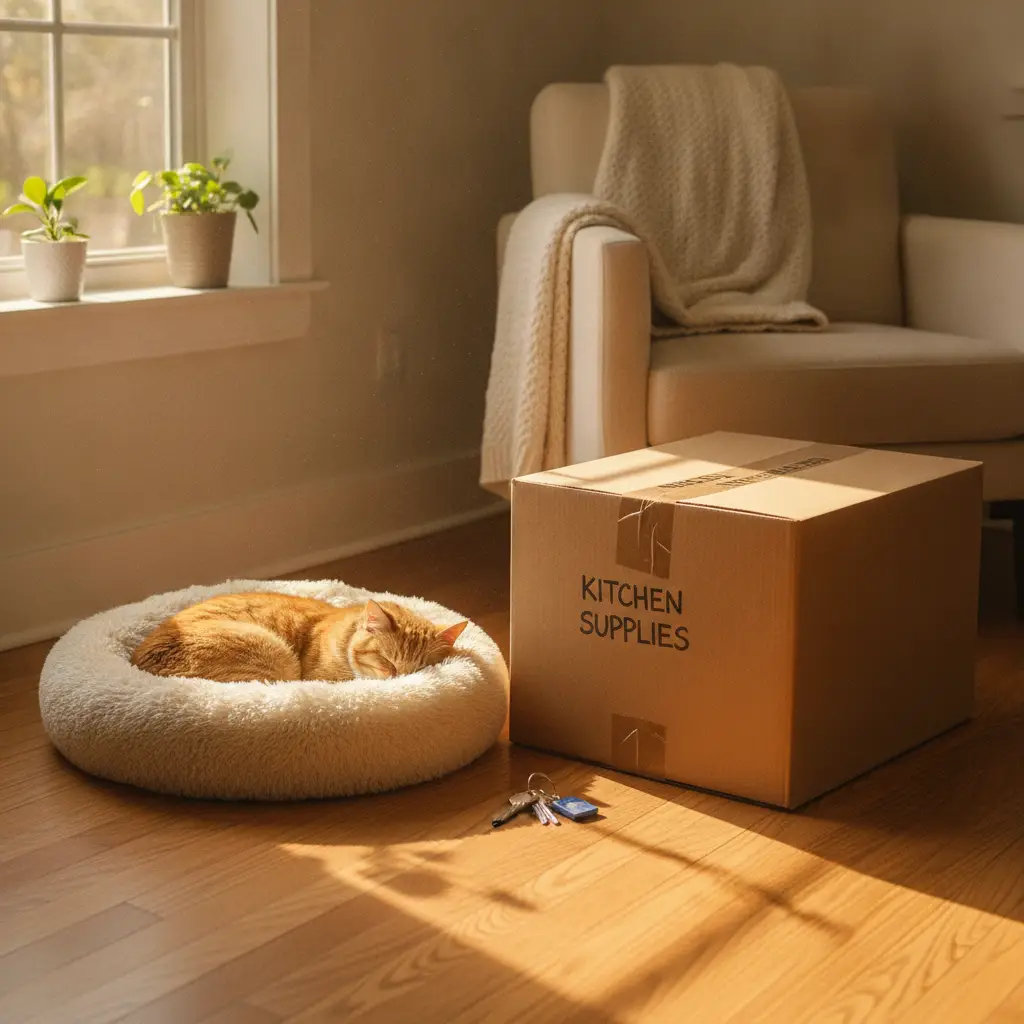

How to Move with a Cat
Cats are especially averse to change, so when moving day arrives, your cat might feel stressed by the chaos. But there are concrete steps you can take to make the transition smoother for them. From the weeks before your move to the first few days in your new home, thoughtful preparation and patience can help your cat settle in with less anxiety. What does a low-stress move actually look like for your feline friend?
Start Preparing Weeks in Advance
Planning ahead makes the difference between a traumatic transition and a smooth adjustment period for your feline friend, starting at least two weeks before your moving date. The earlier you begin, the less overwhelming it all feels—for both you and your cat.
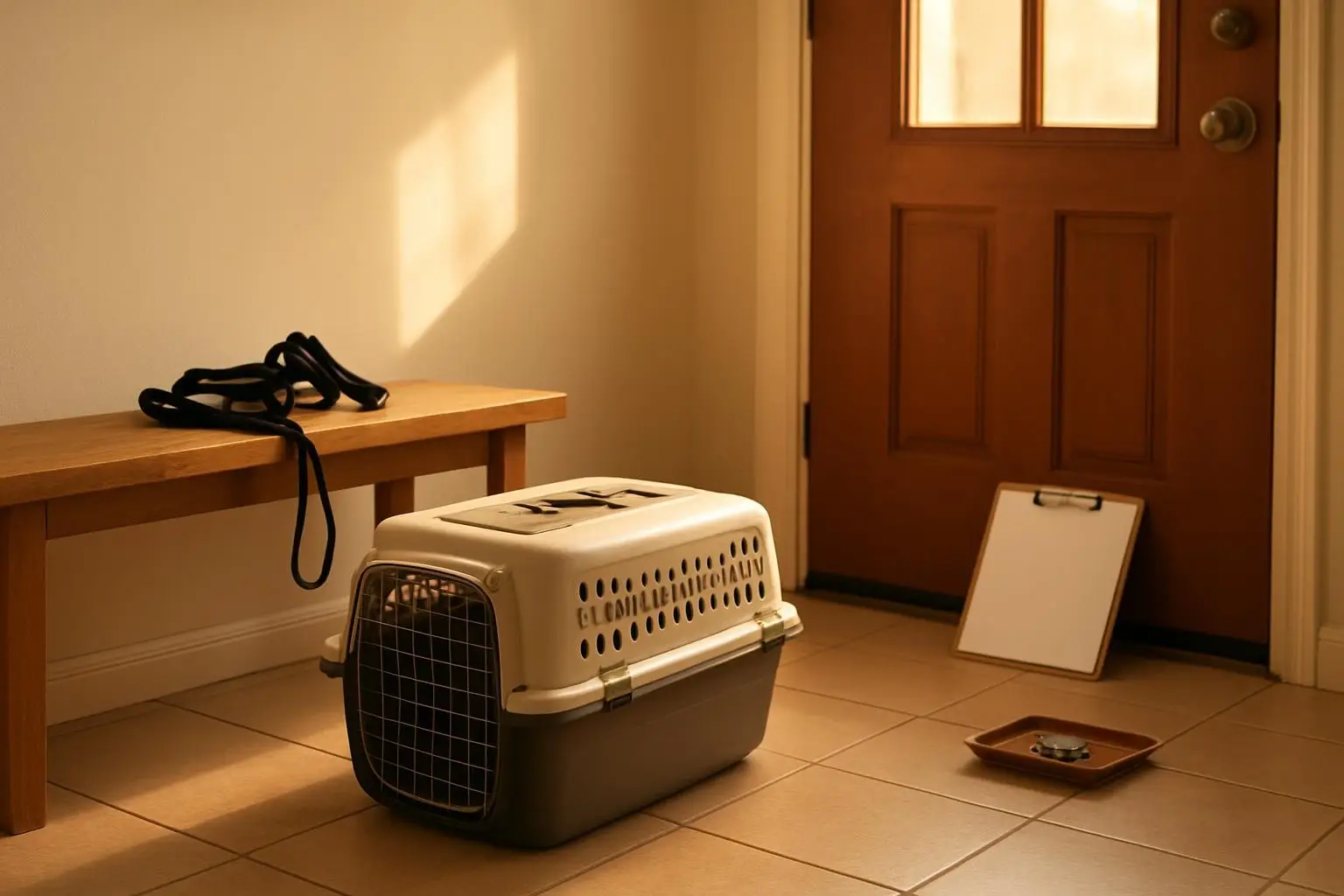
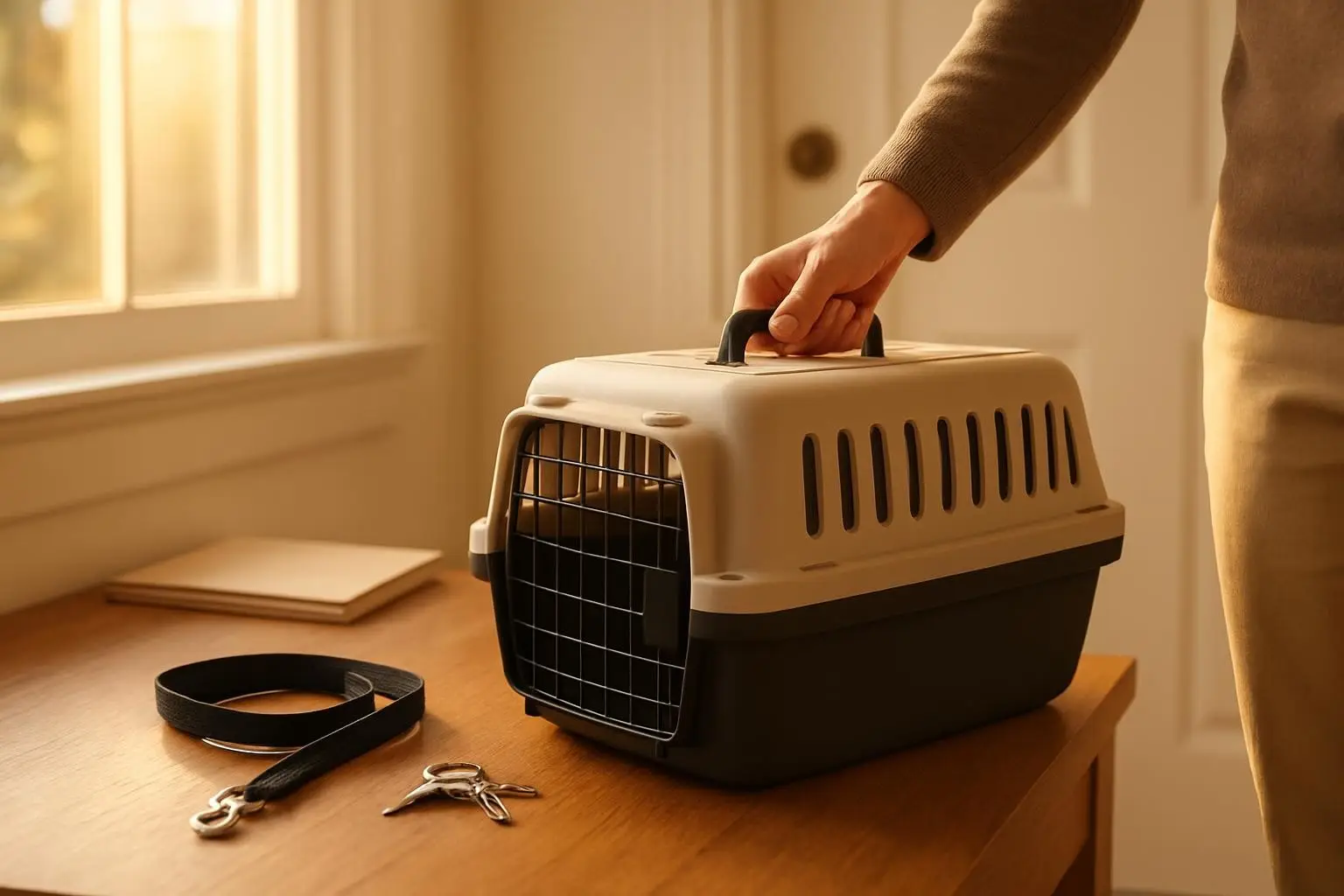
One of the most effective early moves is to introduce your cat to their carrier long before moving day. Let your cat nap inside it, toss in a fleece blanket and treats, and this builds a positive association, not panic. You can fill their cat carrier with some of their favorite toys and blankets to aid this process.
Similarly, pack gradually and avoid a last-minute frenzy by starting with non-essentials first and keeping your cat’s essentials like toys and scratching posts out until the final days. Place moving boxes around the house a few weeks in advance so your cat can get used to them.
Keep your cat’s routine as normal as possible by maintaining their regular feeding schedule and keeping their litter box in its usual place, and get your cat used to their cat carrier well ahead of time to ensure they feel comfortable being placed in the carrier when it’s time to move. Ensure your cat’s microchip is up to date with your new address and contact information in case they manage to escape while you move.
Create a Safe Room on Moving Day
On the day your movers arrive, your cat needs a secure, controlled space away from the chaos. Before the removal van arrives, keep your cat confined to one room (often, a bedroom is ideal). Leave food, bedding, a litter tray, and a piece of furniture under which your cat can hide, place the cat carrier in the room with its door open, and make sure your movers know the door to the room must remain closed to prevent your pet from running away.
Make sure you have multiple blankets and other soft furnishings your cat can sleep on now so they’re heavy with kitty scent for the move, as being surrounded by their own scent is comforting. Pack everything for your cat’s safe zone in the new home in one box, make sure you can get to it easily when it’s time to set up that space, and make sure food, litter, medications, and other cat essentials don’t get lost in the sea of boxes.
Transport Your Cat Safely
Once it’s time to go, proper transport is essential. Always use a secure, well-ventilated carrier that’s large enough for your cat to stand and turn around comfortably, but cozy enough to feel protective rather than overwhelming, and place familiar bedding inside the carrier and consider covering it partially with a light blanket to create a den-like atmosphere.
Speak softly and calmly throughout the journey, avoiding sudden movements or loud music that might increase anxiety, never allow children to poke fingers through carrier openings or make sudden noises, and your cat needs this time to process the changing environment gradually.
Spritz pheromones inside the carrier one spray, ten minutes before travel, as this makes the space feel calmer. Avoid feeding right before leaving, as motion sickness is real, and a light snack two hours prior is enough.
For longer journeys, plan stops every 2-3 hours to check on your cat’s welfare, but resist the urge to open the carrier unless absolutely necessary.
Set Up a Safe Room in Your New Home
The first space your cat sees in their new home should feel controlled and familiar. In order to reduce the amount of overwhelm, start your cat off in a safe room where they can spend their first few days and provide them with key resources, such as food, water, a litter box, a cat bed, and some toys, and give them time to relax.
Upon arrival, carry your cat directly to the prepared safe room without allowing exploration of other areas, as this prevents overwhelming them with too much new information at once, and open the carrier door and step back, allowing your cat to emerge when they feel ready.
Patience here is everything. Some cats bolt immediately to find hiding spots, while others may remain in the carrier for hours, and both reactions are completely normal. Resist the urge to coax or force interaction instead, sit quietly nearby and speak in soft, reassuring tones, offer fresh water immediately, but wait 1-2 hours before providing food, as stress can cause digestive upset.
Use Scent to Build Comfort
Even though many housecats live safely inside our homes, their survival instincts can be easily triggered when their environment changes and they’re surrounded by the unfamiliar. Scent is your secret tool here.
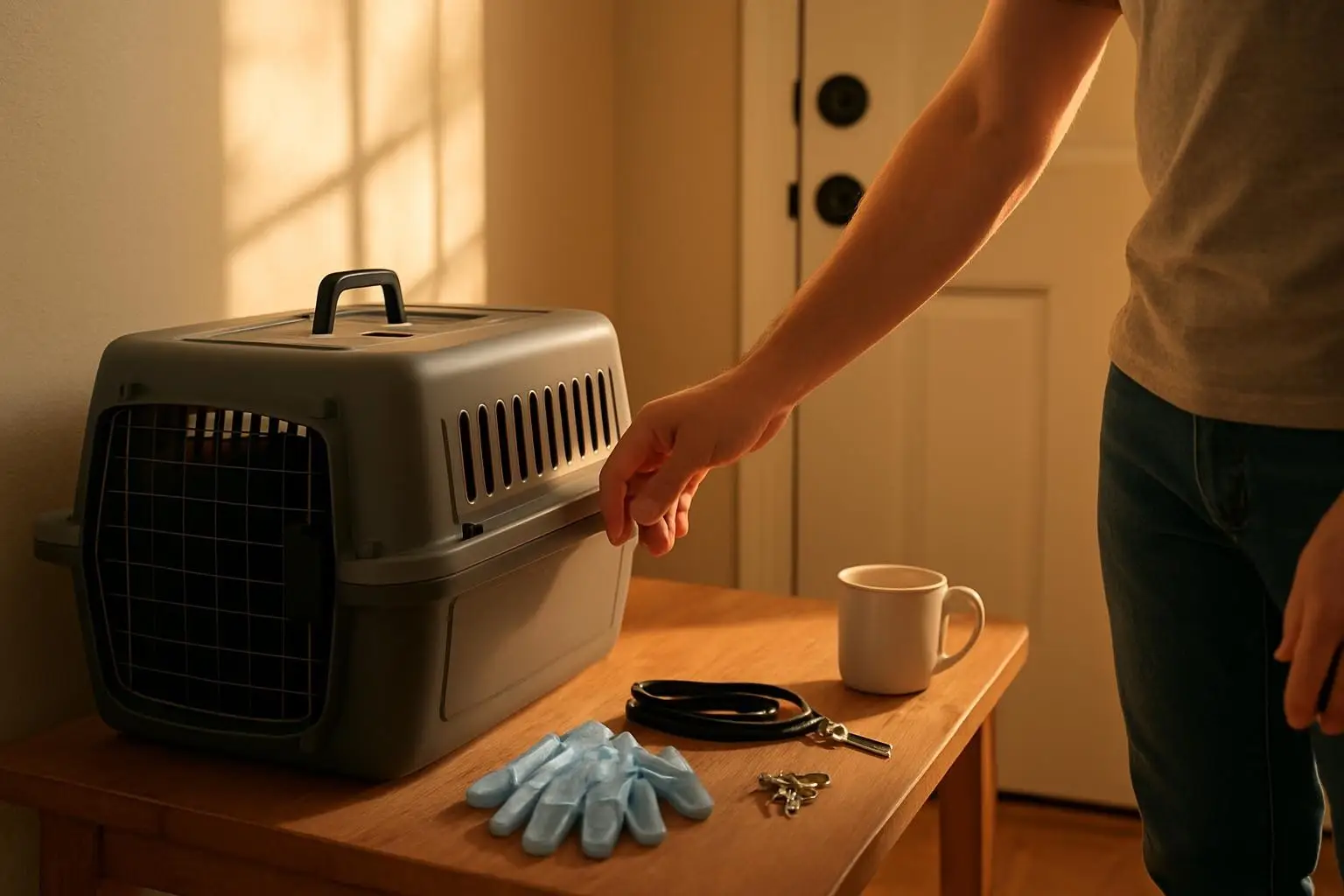
Help your cat feel secure in her new home by spreading her scent throughout the house by taking a soft cotton cloth (or use lightweight cotton gloves) and rub your cat gently around the cheeks and head to collect the scent from glands around her face, and rub this cloth or glove against the corners of doorways, walls and furniture at cat height to help your cat to become familiar with her territory as quickly as possible.
Create a “comfort kit” containing your cat’s favorite blanket, toys, scratching post, and any items that carry familiar scents, avoid washing these items before the move, as the familiar smells provide crucial psychological comfort during the transition. Pheromone products such as Feliway® are designed to have a calming influence and may help your cat adjust more easily to her new environment, with pheromone diffusers that can be placed in several rooms to encourage your cat to relax and settle.
Gradual Exploration and Adjustment
Don’t throw open the doors to your whole home right away. Let your cat explore one room at a time, as their new surroundings can be overwhelming at first (especially since it’s a newer, bigger space with unfamiliar sounds and smells), and stick around so they don’t feel like you’ve abandoned them somewhere unfamiliar.
As they show brave behavior, even if it’s just poking their head out of the safe zone or taking a little stroll and then heading back to the safe zone, reward it and show them there are great reasons to explore their new space.
The more predictable things are, the faster your cat will feel at home, and try to maintain the same food, litter, and daily rituals for at least the first couple of weeks. Keep their diet consistent, as changing food on top of a big move is a reliable way to cause stomach upset, and stick with the same food for at least a few weeks after the move.
Watch for Stress Signs
Watch for a combination of behavioral and physical changes, as common cat stress symptoms include hiding for long periods, avoiding food or water, overgrooming (sometimes to the point of fur loss), vocalizing more than usual, or becoming uncharacteristically aggressive or clingy, and you might also notice litter box avoidance or changes in sleeping patterns.
Don’t worry too much if they aren’t eating, drinking, or using the litter box right away, but if it’s been more than 24 hours, give your vet a call, and if they aren’t eating, drinking, or using the box after a couple of days, or they’re so scared that you still can’t interact with them, there might be something else going on.
Most cats require 2-4 weeks to show significant signs of adjustment, though individual timelines vary considerably based on personality, previous experiences, and the specific circumstances of the move, with confident, well-socialized cats potentially beginning to explore within days, while shy or previously traumatized cats might need 6-8 weeks to fully settle.
Know When to Ask for Help
If your cat is already prone to anxiety, don’t wait until moving day to address it. If you’re worried your cat may have a hard time with the move, talk to your vet about testing out some natural calming supplements or prescription anxiety medications.
Boarding during a move can be a smart decision in noisy or chaotic situations, and if movers will be in and out, or your cat is likely to dart through open doors, temporary boarding may be safer, but ideally, board your cat with someone they know or a facility they’ve been to before, as cats that already suffer from moving anxiety or general anxiety might find unfamiliar boarding stressful.
For outdoor or indoor-outdoor cats, cats should remain strictly indoors for a minimum of 4-6 weeks after moving to establish the new location as their home territory, which prevents them from attempting to return to their previous home.
—
FAQ
How long does it take a cat to adjust to a new home?
The rule of three applies: the first three days your new cat might be overwhelmed and a bit anxious, by three weeks they should be settling in well, and by three months most cats are very happy in their home environment. That said, every cat is different—some adjust faster, others need more time.
Should I let my cat hide when they first arrive?
Hiding is a completely normal and healthy coping mechanism that helps cats feel secure while processing their new environment, and forcing interaction often increases stress and prolongs adjustment. Let them come out at their own pace.
Is it okay to let my cat outside right away in the new home?
No. Cats should remain strictly indoors for a minimum of 4-6 weeks after moving to establish the new location as their home territory, which prevents them from attempting to return to their previous home, and before allowing outdoor access, ensure your cat is microchipped with updated information, wearing a collar with current contact details, and fully comfortable navigating your new home’s indoor layout.
What if my cat stops eating after the move?
Temporary appetite loss is extremely common during relocation stress, with many cats eating very little for the first 24-48 hours, however, if your cat refuses all food for more than 48 hours, contact your veterinarian immediately, as this can lead to serious health complications.
Can I speed up my cat’s adjustment with calming products?
Synthetic pheromone products like Feliway diffusers can provide valuable support by mimicking natural cat pheromones that signal safety and comfort, and you should start using pheromone diffusers 2-3 days before your cat’s arrival and continue for 4-6 weeks.