

Introduction
Planning a party or special event in Phoenix and want to do something a little different? A mobile exotic petting zoo brings live animals directly to your venue, turning a regular gathering into something your guests—and you—will actually remember. Whether you’re hosting a birthday, corporate event, or just want to create a unique experience for friends, understanding how these animal encounters work, what they cost, and how to book one safely can help you plan with confidence.
What Is a Mobile Exotic Petting Zoo or Animal Encounter?
A mobile exotic petting zoo is a service where trained professionals bring live animals to your location for an interactive, hands-on experience. Unlike a traditional zoo, these encounters happen at your home, rental space, event venue, or outdoor area—the animals come to you. The handler stays with the animals the entire time, supervising interactions and educating guests about each species.
These aren’t just casual meet-and-greets. A legitimate mobile exotic petting zoo in Phoenix is run by someone knowledgeable about animal behavior, safety, and welfare. The goal is to let people safely touch, hold, and learn about animals they might never otherwise encounter up close—think reptiles, exotic birds, small mammals, or even farm animals depending on what the service offers. It’s an educational experience wrapped in the fun of hands-on interaction.
What Happens on the Day of Your Mobile Exotic Petting Zoo Event in Phoenix?
Arrival, Setup, and How the Interactive Experience Runs
When the handler arrives at your venue, the first thing they’ll do is assess the space and set up a designated area for the animals. This might include shade structures, water stations, and designated zones where guests can interact while keeping the animals calm and secure.
The handler will typically:
- Arrive 15–30 minutes early to arrange the setup
- Brief everyone on how to approach and handle each animal
- Manage the flow of guests so the animals aren’t overwhelmed
- Handle transitions between animals or different activity stations
- Pack up and remove all animals and equipment at the end
During the event itself, guests usually get to pet, hold, or feed the animals while the handler explains facts about each species—habitat, diet, behavior, conservation status. The experience is interactive but structured; it’s not a free-for-all petting situation. The handler controls who touches what and for how long, based on the animal’s comfort and stress level.
Guest Rules, Supervision, and Safe Handling Boundaries
Every legitimate mobile exotic petting zoo service will have clear rules before anyone makes contact with an animal. These boundaries exist to protect both the animals and your guests.
Common rules include:
- Gentle hands only—no squeezing, pinching, or rough play
- Support the animal’s body properly if holding (the handler will show you how)
- No sudden movements or loud noises
- Wash hands before and after handling
- Listen to the handler at all times and step back if asked
- Respect if an animal seems stressed or unwilling to interact
- No flash photography or excessive handling of any single animal
The handler stays in control throughout. If a guest isn’t following the rules or the animal is getting stressed, the handler will step in immediately. This is non-negotiable for reputable services.
Which Animals Might Your Mobile Exotic Petting Zoo Bring?
Animal Encounter Types by Event Format (Exotics, Reptiles, and Farm-Style)
Different services offer different animal packages, so you’ll want to ask what’s available and what fits your event vibe.
Exotic animals often include small mammals like sugar gliders, hedgehogs, chinchillas, or red foxes—animals that are legal to handle but require proper training and handling. Some services also bring exotic birds or primates, though the latter are less common due to legal and logistical constraints.
Reptiles are hugely popular for exotic pet rentals in Phoenix. This category includes ball pythons, corn snakes, bearded dragons, leopard geckos, and sometimes larger snakes or monitor lizards. Reptile encounters appeal to people who are curious but nervous, since the handler manages all the safety and education.
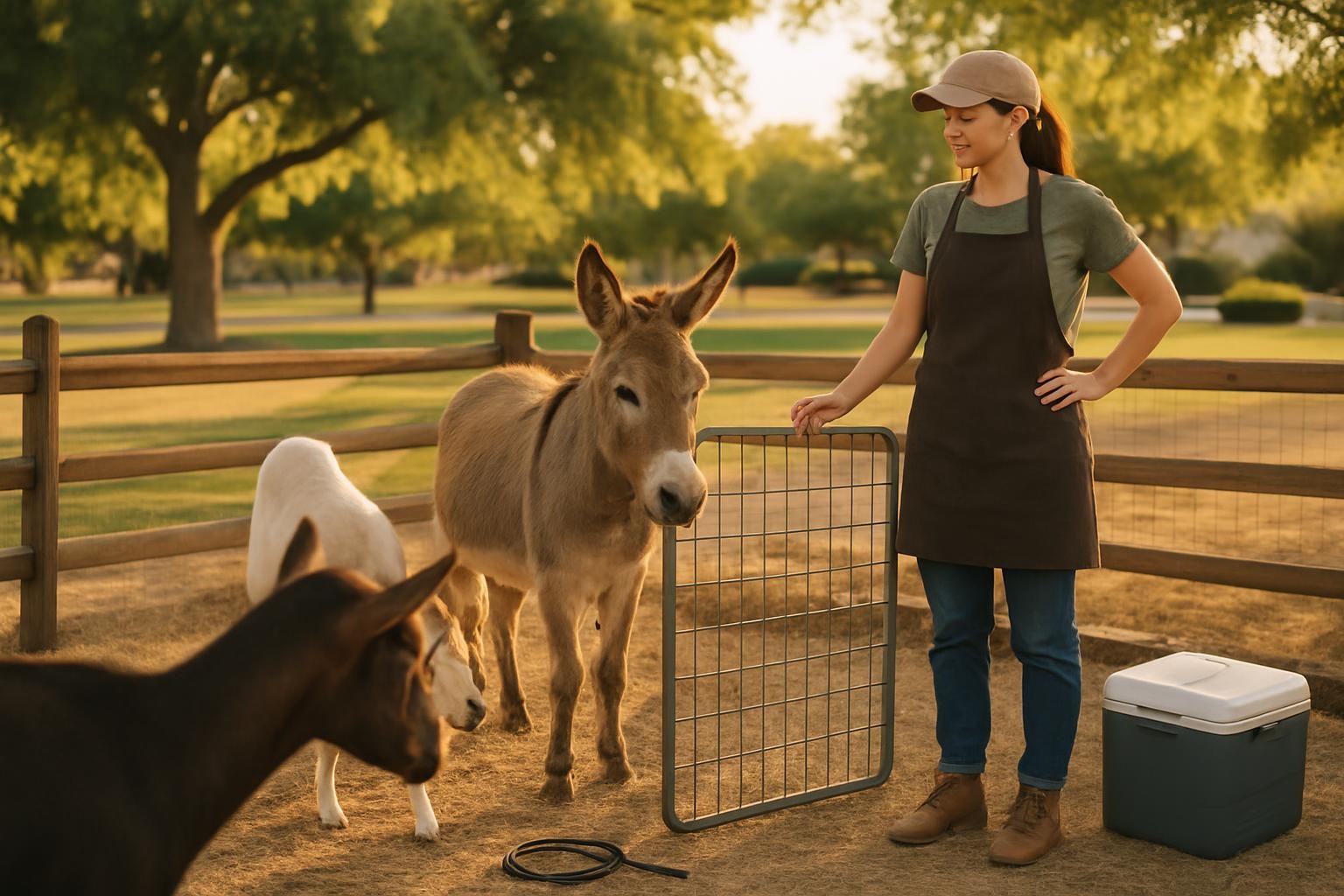
Farm-style encounters include goats, rabbits, chickens, and sometimes alpacas or miniature horses. These feel more accessible to a lot of people and work well for family events or younger crowds.
Most services let you customize: you can request a specific animal if it’s available, or you can ask for a “mixed exotic experience” where the handler brings a variety. Some services have themed packages too—”Reptile Discovery,” “Hands-On Exotics,” “Petting Zoo Classic,” etc.
Safety, Hygiene, and Responsibility Standards for Exotic Animal Encounters
Allergy Considerations, Age Limits, and Interaction Rules
Before booking, you’ll want to disclose any guest allergies to the service provider. Common allergies include reactions to fur, feathers, or scales—or in some cases, to the food the animals eat. A reputable handler will already have protocols in place and can tell you which animals might trigger allergies and which are safer alternatives.
Age limits vary by service and by animal. Very young children (under 3–4) may not be allowed to hold certain animals, while older kids can usually interact more freely under supervision. Elderly guests or people with mobility issues should also be mentioned upfront so the handler can adjust the experience—for example, bringing smaller, lighter animals to someone who can’t stand for long periods.
Physical handling rules are straightforward but important:
- Children under a certain age (usually 5–6) should only pet animals, not hold them
- Older children and adults can hold animals with handler guidance
- Pregnant guests should ask the handler about safe interactions to avoid zoonotic infection risks
- People with compromised immune systems should be cautious about which animals they interact with
Weather, Venue Setup, and Indoor vs. Outdoor Requirements
Phoenix heat is real, and exotic animals have strict temperature and stress tolerances. Mobile exotic petting zoo services will usually avoid booking outdoor events during peak heat hours (11 a.m.–4 p.m. in summer) because the animals can overheat or get dehydrated quickly.
Venue requirements depend on the animal and event size:
- Outdoor events: Need shade (tent, covered area), water access, and flat, safe ground free of hazards
- Indoor events: Must be climate-controlled, spacious enough for the handler to move animals safely, and away from loud machinery or sudden noises
- Backup plan: If you’re planning an outdoor event during monsoon or extreme heat season, have an indoor backup location ready
Discuss weather contingencies with your service provider when booking. Some offer rescheduling options if conditions aren’t safe for the animals.
Mobile Exotic Petting Zoo Pricing in Phoenix: How Costs Work
Common Pricing Models: Per Hour, Per Head, and Bundled Packages
- Hourly rates usually range from $150–$400 per hour depending on the service’s experience level and the animals involved. This works well if you want a set time block—say, a 1-hour experience for a small party.
- Per-person pricing (also called per-guest or per-head) might be $15–$50 per guest. This model is better for larger events where you’re not sure exactly how many people will show up. The handler charges based on actual attendance.
- Bundled packages combine an hourly rate with a specific animal mix and guest limit. For example, “Reptile Discovery Package: 2 hours, up to 20 guests, $350.” These are common and often the clearest upfront cost.
What Drives the Final Price (Headcount, Animal Mix, Travel, and Duration)
- Number of animals: A single animal (one bearded dragon) costs less than a mixed experience (snake, bird, and small mammal combo). Rarer animals cost more.
- Headcount: The more guests, the more value you get per person, but your total bill goes up.
- Travel distance: If your venue is far from the handler’s base location, expect a travel fee ($25–$100+) added on. This is standard and covers gas and time.
- Duration: Obviously, a 30-minute experience costs less than a 2-hour one.
- Setup complexity: If your venue needs special accommodations (extra shade structures, separate cooling areas), that might add to the cost.
- Weekend vs. weekday: Some services charge premium rates for Friday–Sunday bookings.
- Deposit requirements: Most services ask for 25–50% upfront to secure your date.
A typical 1-hour experience for 10–15 guests with 2–3 animals might run $250–$400 total, though prices vary widely by provider.
How to Book a Mobile Exotic Petting Zoo in Phoenix (Step-by-Step)
Questions to Ask Before You Pay a Deposit
- What animals are available for your date, and can you choose specific ones?
- What’s included in the price (setup, cleanup, educational talk, interaction time)?
- Is there a cancellation or rescheduling policy if weather is bad?
- How many guests can the handler safely manage?
- What are the age and allergy restrictions?
- Does the handler have liability insurance?
- What’s the handler’s experience and any certifications or credentials?
- Are there any animals the handler won’t work with due to legal restrictions or safety?
- What’s the deposit amount, and when is the balance due?
- Can you do a quick phone or video call to discuss specifics before committing?
A professional service will answer all of these without hesitation. If someone is vague or defensive, that’s a red flag.
What to Share When Requesting a Booking (Date, Time, Location, Ages, Goals)
- Event date and time (or backup dates if flexible)
- Location and venue type (home, park, indoor rental space, etc.)
- Number of guests expected
- Ages of guests (especially children—handlers need to know age ranges to plan interactions)
- Your goal or vibe (birthday party, corporate team-building, educational experience, casual fun, etc.)
- Any special requests (specific animals, themes, dietary needs for the handler, parking info)
- Allergy or health concerns among your guests
- Indoor or outdoor preference (and backup plan if applicable)
- Budget range (helps the handler suggest packages that fit)
Having all this ready speeds up the booking process and helps the handler give you an accurate quote without back-and-forth emails.
Phoenix-Area Booking Tips and Seasonal Planning
Best Timing and Venue Needs for Nearby Cities
Timing in Phoenix is crucial. October through April is ideal—mild temperatures, low rain risk, and comfortable for both animals and guests. Summer events (June–August) are possible but require extra heat precautions and should be scheduled early morning or evening. Avoid monsoon season (July–September) for outdoor events unless you have solid indoor backup.
If you’re in surrounding areas like Scottsdale, Tempe, Chandler, or Gilbert, most Phoenix-based handlers will travel for a fee. Confirm travel distance when booking—some services have a radius limit (e.g., “within 20 miles of downtown Phoenix”).
For venue needs:
- Residential backyard events: Make sure there’s shade, a water source, and a clear, flat area. Ask neighbors if noise might be an issue.
- Park rentals: Check if the park allows animals. Some do; others don’t. Confirm before booking your mobile exotic petting zoo.
- Indoor spaces (community centers, church halls, rental venues): Confirm the space is climate-controlled and that the venue allows live animals.
- Corporate offices: Make sure there’s a quiet, designated area away from high-traffic zones.
When searching for pet-friendly rental venues, platforms like Dwellsy, Airbnb, VRBO, and local event space directories can help you find spaces that explicitly allow animals. Dwellsy is especially useful because you can filter by pet-friendly features and even note non-traditional pets in your profile, so you know upfront which spaces will work for your event.
FAQ
What’s a general overview of which exotic pets are legal in Arizona?
Arizona is relatively permissive with exotic animals compared to many states, but it’s not a free-for-all. Animals like ball pythons, corn snakes, bearded dragons, hedgehogs, and certain small primates can be legal depending on permits and specific regulations. For a mobile exotic petting zoo, the handler will only bring animals they’re legally allowed to possess and display, so you don’t need to worry about legality on your end.
Do Arizona exotic animal laws vary by species?
Yes. Some animals require permits, others are fully legal without one, and some are banned outright. Venomous reptiles, large carnivores, and primates have stricter rules. The handler doing your event will be familiar with these distinctions and will never bring an illegal animal. If you’re curious about specific species, Arizona Game and Fish has the full list of restricted and prohibited animals.
What exotic pets are legal to own in Arizona?
Common legal exotics in Arizona include most non-venomous snakes, most lizards (bearded dragons, leopard geckos, monitors), certain birds, hedgehogs, rabbits, guinea pigs, and some small primates with permits. Illegal animals include venomous snakes, bears, wolves, large cats, and certain other dangerous or protected species. Again, your handler will only work with legal animals.
What should you check before choosing a mobile exotic petting zoo service?
Look for handlers with clear liability insurance, experience with the animals they bring, good reviews or references, transparent pricing, and willingness to answer safety questions. Avoid anyone who seems careless about animal welfare or who won’t discuss their experience and credentials.
What does an “exotic animal party” mean, and are there legal considerations?
An exotic animal party is exactly what we’re discussing here—a paid event where a handler brings live exotic animals for guests to interact with. Yes, legal rules apply: the handler must legally own or have custody of each animal, follow animal welfare laws, and carry liability insurance in case of injury. Reputable services take this seriously.