
Living with Pets in Your Rental
Renting with a pet means balancing the comfort of your furry family member with the demands of your landlord and your lease. Whether you’re in a studio or a sprawling two-bedroom, the goal is the same: keep your space pet-friendly, your pet happy, and your security deposit intact. Here’s what you need to know to make it work.
Pet-Proofing Your Rental Home
Before your pet moves in, take time to view your apartment from their perspective. Get down to their level and look for potential dangers. This isn’t about removing all life from your space—it’s about creating an environment where your pet can’t accidentally hurt themselves or damage your landlord’s property.
Start with the basics. Plugged-in electrical cords can cause burns or electrocution when pets chew on them. Protect your pets by using cord covers and blocking access to cords and wires. Hide charging cables, lamp cords, and any exposed wiring. If you have windows, secure them properly so curious pets can’t fall or escape.
Check under furniture. Regularly inspect the area under the bed or dresser for small items that pets could chew on or choke on. Pets often explore under furniture, so keeping these areas clear of potential hazards is important. Vacuum and check these spaces frequently to remove any overlooked dangers.
Set up a designated space that’s yours and theirs. Apartments are smaller than houses, so your pet needs a cozy space to call their own. This could be a pet bed in the corner, a scratching post for your cat, or a cage for your smaller pets. Make sure they have easy access to food, water, and a safe spot where they can relax.
Common Apartment Safety Hazards for Pets
Beyond the obvious hazards, apartments hide a surprising number of dangers. Knowing what to look for is half the battle.
Toxic Foods
Many foods that are perfectly safe for humans can be dangerous, or even deadly, for pets. Chocolate, grapes, onions, and xylitol (a sweetener found in sugar-free gums and candies) are well-known toxic foods for dogs and cats. Keep these locked away or stored high up. Keep potentially harmful foods, like chocolate, grapes, onions, and certain nuts, out of reach. Even a small amount of these foods can be toxic to pets.
Medications and Cleaning Products
Drugs are among the top causes of reported pet poisonings in the U.S. Many human medications can cause severe damage or death to pets, and even a pet’s own medications can be toxic in larger than prescribed doses. Store all medications in a secure cabinet, out of sight and reach. Store all laundry supplies, such as detergent pods, fabric softeners, and stain removers, in a secure cabinet. These products can be toxic if ingested, so keeping them out of reach is essential. Consider using childproof locks on laundry room cabinets for added safety. Keep all cleaning products clearly labeled and out of reach of pets. Cleaning products, such as bleach, drain cleaners, oven cleaners and dishwashing chemicals can cause skin irritation, chemical burns and GI issues if ingested.
Plants
Some common houseplants are surprisingly dangerous. Certain lilies (Lilium and Hemerocallis species) are highly toxic to cats, resulting in kidney failure—even in only small amounts. Other plants that can cause intestinal upset include cyclamen, amaryllis, chrysanthemums, pothos, English ivy, philodendron, corn plant, mother-in-law’s tongue, hibiscus, hydrangea, peace lily, and schefflera. Keep toxic plants in rooms that your pets cannot access. Opt for pet-friendly plants, such as spider plants or Boston ferns, which are safe for curious paws and noses.
Small Objects and Hazards
Small items that fall on the floor can easily be swallowed by a curious pet. These include coins, buttons, batteries, small children’s toys, medicine bottles, jewelry, nails, and screws. The result may be damage to your pet’s digestive tract, and surgery may be needed to remove the object. Batteries of all kinds, from the AAs in your remote to the small button batteries in watches and toys, are a serious hazard. If a pet chews or swallows a battery, the alkaline or acidic material inside can leak and cause severe chemical burns to their mouth, esophagus, and stomach.
How to Handle a Pet Emergency When You Rent
Emergencies don’t wait for convenient timing, and renting doesn’t change what your pet might need in a crisis. Being prepared means knowing what to do before something happens.
Create an Emergency Plan
Prior to the tenant moving in, ask them to provide the name and contact information for a caretaker who will assume responsibility for their pet(s) should the owner become unable to care for the pet. Know your emergency vet clinic location and their hours. Have your pet’s microchip number, vaccination records, and recent photos accessible. If you travel or work long hours, your landlord may require proof that someone can care for your pet if you’re unavailable.
Keep an Emergency Kit
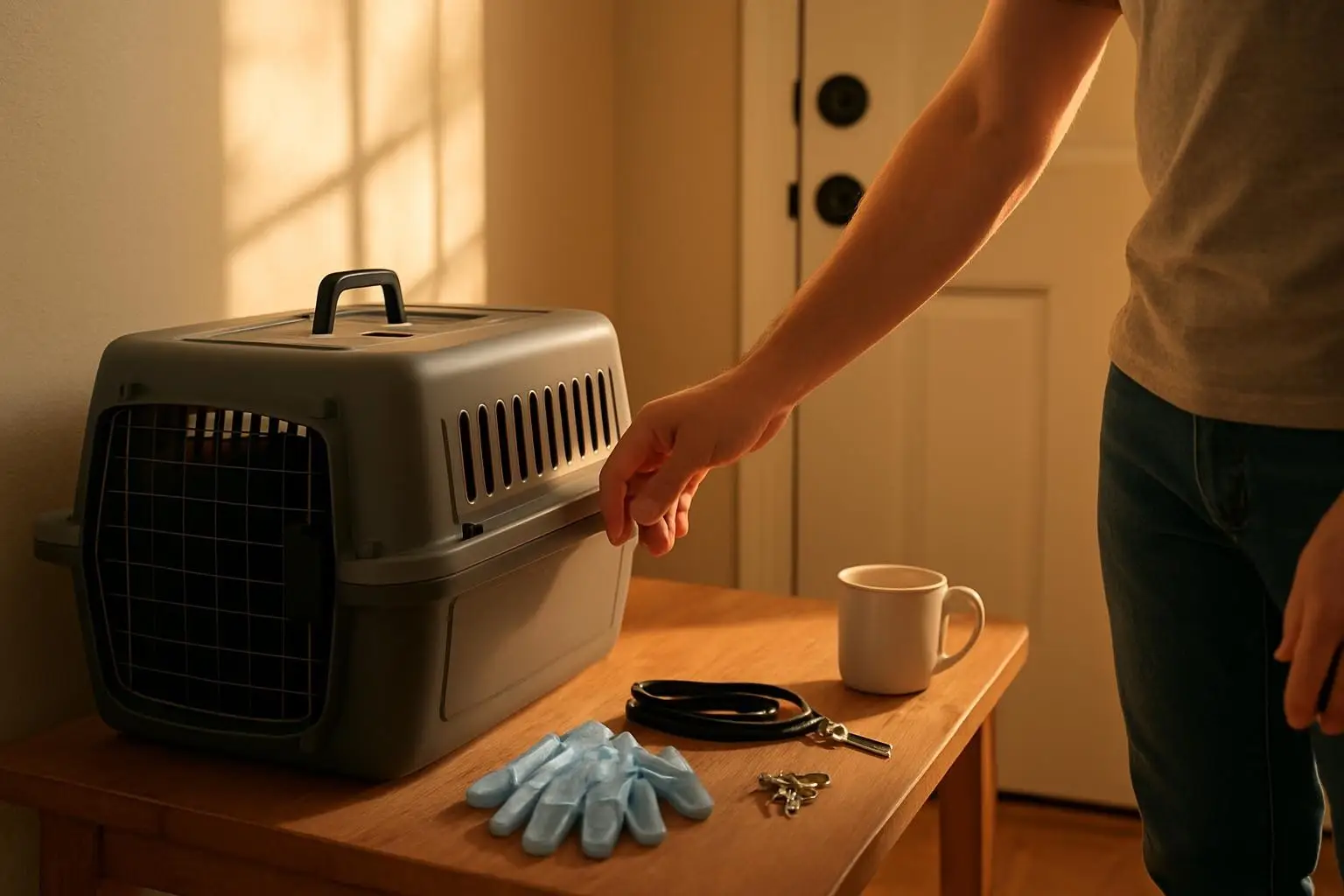
If you’re renting with pets, make sure your furry friends are included in your emergency kit checklist. Pack food, water, and any medications they might need. Include copies of medical records, a recent photo of each pet, a carrier or pet-safe container, and basic first aid supplies. Choose a central location that’s easy to reach, like the coat closet in the hallway of your apartment or a cabinet that’s close to the apartment door.
Know Emergency Numbers
The closest 24-hour emergency vet clinic. A reputable veterinarian for regular check-ups. Keep these numbers saved in your phone and written down. If something happens to your pet, you’ll need quick access to professional help. For poison exposure, call the ASPCA Animal Poison Control Center at 1-888-426-4435 or the Pet Poison Helpline at 1-855-764-7661.
10 Ways to Get Rid of Pet Odors
Pet odors can be stubborn and they matter—not just for you, but for maintaining your relationship with your landlord and getting your deposit back.
- Regular vacuuming with baking soda: Vacuum, pour baking soda, and vacuum again — This technique is especially useful on carpet and any upholstered fabric in furnished apartments. Let the baking soda sit for a few hours before vacuuming to neutralize odors.
- Open windows and let in fresh air: Sunlight and fresh air — Open up the doors and windows. This simple step works wonders, especially combined with other methods.
- Use enzymatic cleaners: These can be particularly effective at removing organic stains and odors from pet accidents by breaking down the odor-causing compounds. They work on urine and other bodily fluids that regular cleaners miss.
- Clean litter boxes and cages frequently: Ensure litter boxes and cages are cleaned regularly, maintaining them in well-ventilated areas. Daily cleaning of litter boxes is ideal. For litter, you can sprinkle baking soda to help absorb odor.
- Groom your pet regularly: Regular baths and brushing for your pets can help minimize the odors produced by their coat oils and dander.
- Use air purifiers: Investing in products that neutralize odors rather than mask them can make a significant difference. Look for air purifiers specifically designed to deal with pet odors.
- Try vinegar and baking soda for stains: Pour vinegar over the stain and dust the spot with baking soda. Place a plate over the top and let it sit for a day or two. Remove the powder and vacuum.
- Wash pet furniture and bedding: Wash dog beds every other week. For cats, clean out litter boxes at least twice per week, if not more frequently, and replace the kitty litter or sprinkle baking soda over it.
- Use activated charcoal: Activated charcoal filters are a game-changer in neutralizing unpleasant odors in your new apartment or rental. These filters absorb a wide range of smells, from pet odors to the smoky smell of cigarette smoke. By trapping odor-causing particles, activated charcoal effectively purifies indoor air quality.
- Deep clean before lingering odors set in: Don’t wait for odors to get entrenched. Address accidents immediately. The longer odors linger, the harder they become to eliminate, and the more they’ll penetrate into floors, walls, and furniture.
How to Exercise a Dog in a Small Apartment
Small spaces don’t mean small exercise opportunities. Dogs are adaptable—they don’t need a yard to stay happy and healthy. Dogs are surprisingly adaptable. They don’t need acres of space — they need engagement.
Indoor Games and Activities
Engage them with indoor activities like tug of war, puzzle games, indoor fetch, and obedience drills. You can use your hallway, great room, or stairwell (if you live in a two-story apartment) as your "Fetching Ground." Remember to keep your dog’s ball or other favorite fetch toy safely stored in a cupboard or closet between games.
Take a cardboard box and fill it with crumpled-up newspapers. Now drop treats in there and let your dog use scent to find them. This is a great activity especially for anxious dogs, as sniffing is a very calming activity.
Hide the Treat shares some similarities with hide and seek. However, the game has an extra sweet ending for your pooch! Instead of teaching your dog to track you down in your apartment, you can train your dog to use their nose to uncover treats that you hide throughout a designated space in your apartment. In addition to exercising your dog’s legs, this game will keep your dog’s olfactory senses sharp and will even help them learn to count.
Mental Stimulation Counts
Mental stimulation and enrichment are often an overlooked part of a dog’s exercise routine. Mental exercise can tire a dog out just as much as physical activity. Puzzle feeders provide mental exercise that tires dogs as effectively as physical activity. A 15-minute puzzle session can be equivalent in exhaustion-level to a 30-minute walk for some dogs. Instead of just throwing food in a bowl, use puzzle feeders or scatter your dog’s meal across a sniff mat.
Daily Exercise Guidelines
The general guideline is that most dogs benefit from 30-45 minutes of exercise daily. This can include walking, playing, and training. Mental exercise, such as solving puzzles or obedience training, is equally important and should be included in your dog’s routine.
Don’t Forget Outdoor Time
Your dog’s exercise routine shouldn’t wholly replace the health benefits of going outdoors. Daily exercise that includes walks or visits to a dog park allows your pet to socialize with other dogs and experience new sights and smells. Even apartment dogs need outside time to fully thrive.
Indoor Enrichment Ideas for Cats in an Apartment
Cats in apartments can thrive just as well as outdoor cats—if you give them the right environment. Cats often live in small apartments and thrive. You will be pleasantly surprised at how well cats do and how little room they need to be comfortable.
Vertical Space is Essential
Cats love to climb and explore their surroundings from different perspectives. Create vertical spaces in your home to satisfy their climbing instincts. Install cat trees, wall-mounted shelves, or provide sturdy, carpeted perches. Wall-mounted shelves are especially good for rentals because they can be easily removed. Simple shelves placed strategically along the wall can give your cat several different places to lounge, and let them safely hop up to ceiling height.
Window Perches and Bird Watching
The window is like television for cats, with hours of exciting, commercial-free programming of people, birds, and sounds to stimulate their hunting instincts all day long. A window bird feeder placed outside your apartment window gives your cat a front-row seat to the action. They’ll love watching birds come and go, which can provide hours of entertainment and mental stimulation.
Interactive Toys and Puzzle Feeders
Just like dogs, cats can benefit from turning their typical mealtime routine into an enrichment activity. Puzzle feeders and interactive toys encourage mental stimulation by making your cat work for their food. Puzzle feeders dispense small amounts of kibble when your cat interacts with them, stimulating their hunting instincts and providing a rewarding challenge.
Wand toys with dangling feathers or ribbons are an all-time favorite for cats. These toys engage their natural hunting instincts, allowing them to chase, pounce, and "catch" their prey. Dedicating 10-15 minutes each day to playing with a wand toy can provide great exercise for your cat.
DIY Enrichment
Get creative by crafting DIY treat dispensers to keep your cat entertained. Simple ideas include stuffing treats inside empty toilet paper rolls or cardboard boxes with small holes. As your cat bats, rolls, and paws at these homemade toys, they will be rewarded with tasty treats, providing mental stimulation and a fun challenge.
Cat-Safe Plants and Natural Elements
Grow some wheatgrass for your cat – Growing some kitty grass can a) help your cat stay away from your plants and b) provide your kitty with some enrichment. It’s like bringing the outside world home! And wheat grass is really beneficial for cats!
Best Pet Furniture for Small Apartments
The right furniture doesn’t just make your apartment more functional—it makes your pet happier and protects your space from wear and tear.
Space-Saving Cat Furniture
If you don’t want to spend money on fancy cat furniture, or if giant carpeted tower clashes with your home’s aesthetic, there’s a much more attractive and affordable solution: shelves. Simple shelves placed strategically along the wall can give your cat several different places to lounge, and let them safely hop up to ceiling height.
You can build a DIY condo too. Wire shelving can be used to create a cat condo. This makes it more personalized to your space. His stair condo can be against the wall so it doesn’t take up a lot of floor space.
Dog Beds and Crates
A quality dog bed gives your pet their own space and can help contain shedding and odors. Choose one that’s machine-washable for easy cleaning. A scratching post for your cat, or a cage for your smaller pets. Make sure they have easy access to food, water, and a safe spot where they can relax.
Scratching Solutions for Cats
Scratching posts aren’t optional—they’re necessary. Sisal-wrapped posts: Cats prefer sturdy surfaces that they can dig their claws into, and sisal-wrapped scratching posts are ideal. Place them in strategic areas around the house to encourage your cat to use them regularly.
Cardboard scratchers: Budget-friendly and easily replaceable, cardboard scratchers are another great option for cat enrichment. Many come in different shapes or sizes, such as flat pads or incline ramps, adding variety to your cat’s scratching routine.
Renters-Friendly Options
Look for furniture that doesn’t require permanent installation. Removable shelves (that use adhesive strips or hook anchors), free-standing cat trees, and portable pet gates are all renters-approved. The key is being able to remove everything without damaging walls or leaving marks.
FAQ
Can I put furniture on the walls of my rental apartment without damaging it?
Yes, you can install cat furniture and shelves with adhesive strips or small hooks that are easily removable. A common misconception is that you’re not able to install cat furniture in a rented space or apartment. Every apartment I’ve lived in has allowed the residents to install a wall-mounted tv and those use much larger bolts that are more difficult to patch up on your way out than wall-mounted cat furniture. In the past I’ve asked the apartment place if it’s ok to mount my TV if I patch and paint on my way out and they’ve never had an issue with it. Always ask your landlord first for permission.
What should I do if my pet has an emergency and I’m not home?
This is why having an emergency contact and plan is essential. Provide your landlord or property manager with contact information for a trusted friend, family member, or professional pet sitter who can access your apartment if you’re unavailable. Make sure your pet has ID tags with your phone number and is microchipped. Keep your emergency vet number posted visibly in your apartment.
How do I keep my pet from destroying my rental apartment?
Exercise and enrichment are your first defense. A bored, under-stimulated pet is more likely to chew, scratch, and have accidents. Provide appropriate outlets for natural behaviors—scratching posts for cats, toys and chew items for dogs. Regular cleaning and prompt attention to accidents prevent odor buildup and staining. Consider pet furniture that protects your flooring, and use washable rugs or blankets on areas where your pet spends the most time.
Can I find pet-friendly rentals easily?
Finding pet-friendly housing is possible with the right approach. Start with Dwellsy, which lets you create a pet profile including your pet’s species, breed, size, and weight—then filter rental listings to show only properties that match your pet’s needs. Pet-friendly listings are clearly marked with a pet-friendly badge, so you can quickly see what’s actually available for your specific pet, rather than wasting time on listings that won’t accept them. Other rental search options include traditional sites like Apartments.com, PetFriendly.com, and BringFido, each with different property listings and search features. Working directly with local property managers or landlords who specialize in pet rentals can also open doors.
What’s the difference between a pet deposit and pet rent?
A pet deposit is refundable—it’s held by the landlord to cover any damages your pet causes, and you get it back if there’s no damage. Pet rent is a monthly charge added to your lease, similar to regular rent. Some apartments charge a one-time pet fee instead. Ask your landlord which applies to you, and budget accordingly.