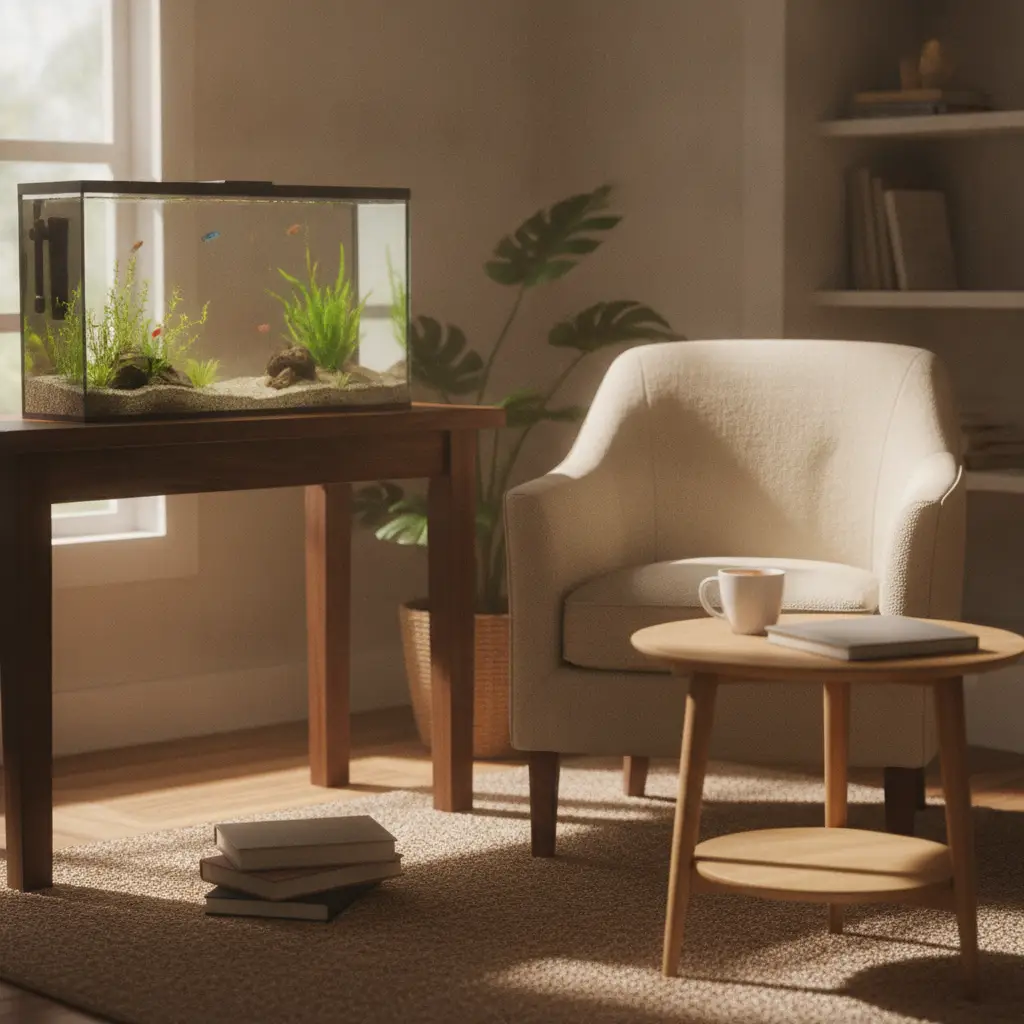

Can I Have a Fish Tank in an Apartment?
Owning a fish tank feels like a natural fit for apartment living—it’s quieter than a dog, cleaner than a cat, and watching fish swim can be genuinely calming. But before you set one up in your rental, there are some real rules and practical considerations you need to understand. The short answer is: maybe. It depends on your lease, your landlord’s policies, and the setup itself. Here’s what you actually need to know about fish tank apartment rules.
Check Your Lease Agreement First
This is your starting point. Read through everything carefully, because fish tanks are sometimes mentioned specifically, sometimes grouped under “no pets,” and sometimes mentioned in relation to water features (like how waterbeds are restricted). If it says nothing about aquariums, that doesn’t automatically mean they’re allowed—it’s ambiguous, and you’ll need to ask your landlord before bringing one home.
That said, eviction is quite drastic and usually isn’t the course that’s taken. But it’s a risk you don’t want to take. The safest move is asking first.
Tank Size Limits
Many landlords impose size restrictions, and these vary wildly. You might find apartments that allow up to 25 gallons, while others cap it at 10 or even 2 gallons. If there are no rules in the lease about the size of an aquarium, most aquarium keepers living above the ground floor will still want to limit the size of their tank to 55 or 60 gallons. This size is unlikely to cause any structural damage and floors should be able to support it without issue.
When you’re apartment hunting or speaking with your landlord, ask specifically: What’s the maximum size tank allowed? Some landlords decide based on weight concerns, leak prevention, or what makes sense for the unit’s location.
Understanding Weight and Floor Safety
One of the biggest concerns landlords have is whether the floor can handle the weight. When placing a large aquarium in an apartment, particularly one that isn’t on the ground floor, the weight of the filled aquarium can be a concern. A 55-gallon fish tank can easily weigh more than 600 pounds.
That sounds alarming, but here’s the thing: Aquariums with less than 60 gallons of water can be placed almost anywhere in your home, even on a second floor. If you have a strong structural foundation and no defects in the framing, you can likely put up to a 125-gallon tank upstairs with no problems! Floors are actually engineered with this kind of weight distribution in mind.
The key is placement. If the tank is very large, the ideal location is near a load-bearing wall because it has the support of the foundation. The idea is to have the aquarium span as many floor joists as possible. This spreads out the load and reduces the pressure on any single beam.
Ground-floor apartments with concrete slabs underneath are your safest bet for larger tanks. While the floor of an apartment can generally support 160 pounds, 400 pounds can occasionally cause issues. This is particularly a concern in apartments that are located above the ground floor. For this reason, many apartment leases restrict the size of aquariums. Other lease agreements may allow ground-floor residents to have aquariums but may rule them out for anyone living on the second floor or above.
Water Damage and Leak Risk
This is why landlords worry. Leaking aquariums can also cause damage. If a large aquarium slowly leaks it can cause structural damage, stains, and mold, and those repairs can often cost thousands of dollars. Limiting the size of the tank can limit the damage caused by any leaks, so landlords may restrict the aquarium size.
The bigger the tank, the bigger the potential disaster. Even a small crack or a mistake during a water change can flood your apartment and damage neighbors’ units below you. This is why showing your landlord that you understand this risk—and that you have a plan to prevent it—matters.
Humidity and Mold Issues
In humid areas, aquariums can cause mold as well. This problem can occur even if the aquarium never leaks because aquariums increase the humidity level in a room. For this reason, some apartments may not allow even small aquariums. If your apartment is already humid or has poor ventilation, your landlord might say no to a tank entirely, even a small one.
Insurance and Liability
Here’s something renters often don’t think about: your renter’s insurance might not cover aquarium damage. Renters insurance is always a good idea to have when living in an apartment. Having renters insurance for a fish tank, however, can be a bit more complicated question. If an aquarium breaks or leaks and causes damage, this is almost always considered to be pet damage. Pet damage isn’t usually covered by renters insurance, so the renter would still be liable for any damage caused by the water.
Before you set up a tank, call your renter’s insurance company and ask what they’ll and won’t cover. Some policies do cover aquarium-related damage if you ask about it, but you have to check. Having the right insurance gives landlords confidence and protects you.
Getting Landlord Approval and Setting Up Your Tank
When lease terms are ambiguous or a tenant wishes to request an exception, clear and written communication with the landlord is essential. Initiating a conversation before acquiring an aquarium demonstrates responsibility and helps prevent future disputes. Tenants should be prepared to discuss the proposed tank size, their maintenance plan, and measures to mitigate risks, such as using a drip pan or securing appropriate insurance coverage.
Offering proof of renter’s insurance that covers potential water damage or an aquarium-specific pet deposit can also reassure a landlord. Documenting all communications in writing, whether through email or a formal letter, creates a clear record of any agreements or permissions granted. This proactive approach increases the likelihood of approval.
Location Tips
You should not have the fish tank near a window if at all possible. Direct sunlight can enhance algae growth and once you set up your fish tank it is much harder to move it. Find a spot away from direct sun, away from air vents, and ideally on a stable, level surface. If your apartment is on an upper floor, place the tank against an exterior wall for added structural support.
Tank Maintenance and Care
Show your landlord you’re serious about maintenance. Agree on maintenance responsibilities and document your care routine to show you’ll protect the property. Consider how the tank might impact your rent or move-out condition. Keep your tank clean, do regular water changes, and keep an eye out for any leaks or issues before they become problems.
Alternatives If Your Apartment Doesn’t Allow Tanks
If your lease strictly prohibits aquariums, you have options. If you really find an apartment you love and fish tanks are not allowed then you may want to consider a fishbowl instead. While these are very small and can’t compare to a full-size tank, you can at least have a fish pet to enjoy. There are several species that work well in a small fishbowl type aquarium. A couple of fish pet considerations are the popular betta fish or goldfish. Another option is a small 5-gallon aquarium that you can put on a table or countertop.
FAQ
Are fish considered pets in rental leases?
While fish do not typically create noise or require outdoor access like dogs, they pose different concerns, primarily related to potential water damage and structural integrity. Some landlords maintain a strict “no pets” rule that encompasses all animals, including fish, to avoid potential liabilities. Conversely, other landlords may be more flexible, allowing fish under certain conditions or even exempting them from general pet restrictions due to their perceived low impact.
Do I have to pay extra rent or a pet fee for a fish tank?
Each lease agreement is different, so whether you’ll need to pay a higher rent to have a fish tank depends on your particular lease. Some apartments allow pets with no additional fees. Other apartments charge a larger sign-on deposit. Still, other leases ask for an additional fee each month, and some places might ask for a monthly fee in addition to a larger deposit fee. Generally, people who are looking to keep an aquarium in their apartment will need to pay extra rent. This can be as little as $25 a month or could be $100 a month or more.
What’s the best size fish tank for an apartment?
It’s wise to go no larger than a 20-gallon tank. That way, if you move or other circumstances change with your living situation, you won’t be tasked with draining a huge tank. Also, if you have a small apartment, you don’t want a huge aquarium.
What if I find an aquarium restriction in my lease but I already have a fish?
The best thing to do is talk to your landlord honestly. Having a small tank (especially something like a 5-gallon betta tank) is often overlooked or seen as low-risk. But hiding it risks lease violations. Be upfront, show you have insurance, and offer to pay an additional fee if needed.
Can I move with my fish tank to a new apartment?
Yes, but it’s a hassle. Draining, moving, and resetting up a large tank is time-consuming and risky. If you know you might move soon, stick with a smaller tank (20 gallons or less) that’s easier to transport and more likely to be allowed in the next place you rent.