
Phoenix Mobile Petting Zoo & Exotic Animal Experiences for Events (2026)
Introduction
Planning an event in Phoenix and want to give your guests an experience they’ll actually remember? Mobile petting zoos and exotic animal encounters have become go-to entertainment for everything from corporate team-building days to birthday parties and festival activations. Whether you’re looking to book a hands-on petting experience with farm animals or arrange exotic pet rentals Phoenix vendors offer, understanding your options—and what to expect—makes the whole process smoother and safer for everyone involved, including the animals.
What to Book for Your Phoenix Event: Mobile Petting Zoo, Exotic Encounters, or Hands-On Farm-Style
Which format fits your event best: mobile petting zoo vs. exotic animal encounter vs. farm-style hands-on
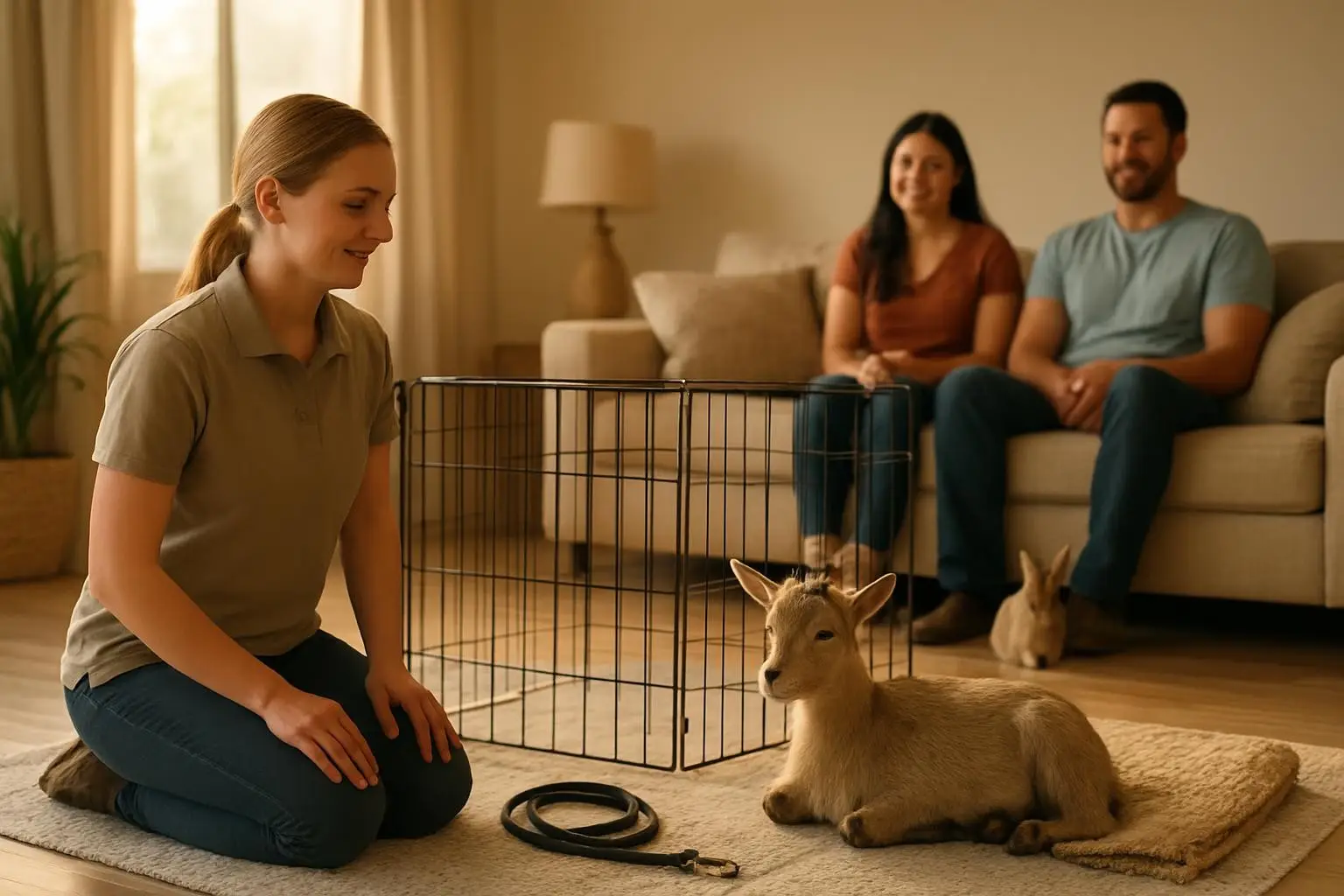
Mobile petting zoos are typically smaller, more intimate setups with domesticated or semi-domesticated animals—think rabbits, guinea pigs, mini goats, and sometimes llamas or alpacas. These roll up to your location, set up in a contained area, and guests rotate through to pet and interact with the animals. The animals are used to high-volume handling, the setup is quick (usually 30 minutes to an hour), and cleanup is straightforward.
Exotic animal encounters lean into the “wow” factor. These might feature reptiles like bearded dragons or ball pythons, big cats, primates, or other animals most people don’t see outside a zoo. Handlers typically stay present throughout, controlling the interaction carefully and sharing educational tidbits. You’re not usually dealing with a free-roam setup here—guests often approach a stationary animal or experience, and the handler manages the engagement. This format works well for smaller crowds and guests who want a memorable photo or close-up moment.
Farm-style hands-on experiences sit somewhere in the middle. A vendor might bring a larger variety of animals (goats, sheep, chickens, donkeys, and sometimes smaller exotics), set up a temporary “farm zone” on your property, and allow guests to feed, pet, and interact more freely under supervision. These tend to run longer, require more space, and work beautifully for family-oriented events, community festivals, and corporate retreats where you want a less structured, more exploratory vibe.
The best choice depends on your guest count, available space, event duration, age of attendees, and budget. A birthday party for 20 kids might thrive with a mobile petting zoo. A corporate event with 100 adults might benefit from a rotating exotic animal station. A festival or outdoor celebration with diverse ages might nail it with a full farm-style setup.
Top Mobile Petting Zoo & Exotic Animal Vendors Near Phoenix (Event-Friendly Options)
Phoenix has a solid roster of vendors who handle mobile petting zoo rentals and exotic animal experiences for events. While specific vendor names and availability change seasonally, here’s what to look for and how these operations typically work.
Mobile petting zoo rentals for events in Phoenix
Mobile petting zoo vendors in the Phoenix area operate under similar models: they bring animals in climate-controlled trailers or transport, arrive at your venue, set up containment (pens, barriers, or temporary fencing), staff the experience with trained handlers, and manage animal welfare throughout. Most require a minimum of 2–4 hours of event time and can scale up or down based on guest count. They handle their own equipment and cleanup, which is a major relief for event hosts.
When researching vendors, ask about their animal roster—which species they have on rotation, size ranges, and which animals are available year-round versus seasonally. Some vendors specialize in smaller creatures (rabbits, guinea pigs, chicks, ducklings), while others have partnerships with breeders or sanctuaries that allow them to offer larger or more exotic options.
Exotic animal encounters with hands-on interaction
Exotic animal vendors typically operate differently. They often work with individual animals (or small groups) and may specialize in specific categories—reptiles, big cats, primates, or birds. Because these animals are less domesticated and often have specific behavioral needs, the handler stays fully engaged, controlling the pace and ensuring guest safety.
These experiences might be priced per-animal or per-station rather than per-hour. A bearded dragon encounter might cost $300–$500, while a big cat photo experience could run $800–$1,500 depending on the species and duration. Handlers typically provide educational content, which adds value and keeps the energy engaging. Be prepared for longer setup and breakdown times, and expect fewer simultaneous interactions compared to a mobile petting zoo.
Traditional petting zoos with scheduled “touch” experiences
Some Phoenix vendors operate stationary petting zoos or offer a hybrid model where they can do mobile setups for events. These places often host animals full-time and rent out their space or bring a curated subset of animals to your event. The animals are typically acclimated to high-volume, repetitive handling (which is good for safety), and the experience tends to be more predictable in terms of guest flow and animal behavior.
If you go this route, ask whether the vendor provides staff, whether you can visit the facility beforehand to meet the animals, and what their backup plan is if an animal becomes stressed or unwell during your event.
Animal & Interaction Options: What Guests Typically Experience
Common species categories and the typical interaction style
Small domesticated animals (rabbits, guinea pigs, chinchillas, hedgehogs) are the backbone of most mobile petting zoos. Guests hold them, pet them, and sometimes feed them. These animals are sturdy but need gentle handling, so handlers usually demonstrate and supervise closely.
Barnyard animals (goats, sheep, miniature pigs, donkeys) tend to be more robust and interactive. Guests can feed, pet, and (with goats especially) engage in slightly rougher play. Goats are notorious for climbing and headbutting in a playful way, which most guests find hilarious.
Birds (chickens, ducklings, parrots, owls) vary widely in temperament. Chicks and ducklings are soft and easy to hold, making them perfect for young kids. Larger birds might not allow handling but can be observed up close, and some can be perched on an arm or shoulder.
Reptiles (ball pythons, corn snakes, bearded dragons, monitors) require more structured interaction. These aren’t cuddly, and the handler usually controls the animal while guests observe or touch gently. Many people find reptiles fascinating precisely because they’re different—it can be a breakthrough moment for someone who’s been afraid of snakes.
Exotic mammals (alpacas, llamas, red pandas, wallabies, ferrets) sit in a middle zone. Some are surprisingly approachable; others prefer observation at a distance. Alpacas and llamas, for instance, can be friendly and even funny, but they can also spit if nervous or annoyed, so handlers manage proximity carefully.
Which animals are usually best by age group
Ages 2–5: Stick with the tiniest, softest animals—chicks, ducklings, small rabbits, and guinea pigs. Supervise constantly. At this age, gentle touching and observation matter more than interaction itself. Avoid animals that could accidentally hurt a small child through normal play (like a goat’s head toss).
Ages 6–12: This is the sweet spot for most petting zoo experiences. Kids can handle rabbits, guinea pigs, miniature goats, sheep, and smaller reptiles (with staff guidance). They’re coordinated enough to follow handling instructions and excited enough to actually engage rather than zone out.
Teens and adults: Exotic animal encounters often appeal more to this crowd. A bearded dragon up close, a non-venomous snake, an alpaca encounter, or an educational reptile talk tends to land better than “pet the bunny.” That said, don’t underestimate the nostalgia factor—adults often love a good petting zoo experience, especially if it’s tied to a fun event.
Mixed-age events: Go broad. Have a small domesticated animal zone for little kids, a mid-size barnyard zone for the school-age crowd, and an exotic or reptile station for curiosity-seekers. Rotating guests through stations keeps energy high and prevents bottlenecks.
Event Planning Checklist for Investors and Hosts: What to Confirm Before Booking
Space, setup time, event duration, and staffing requirements
Before you sign a contract, nail down the logistics:
- How much space do you actually need? A mobile petting zoo with 8–12 animals might require 400–600 square feet of open, flat ground. Exotic animal encounters need less space but require a clear, controlled area. Ask the vendor for specific dimensions and get the dimensions of your venue confirmed before booking.
- When will they arrive, and how long does setup take? Most vendors need 30–60 minutes for setup and a similar window for breakdown. If your event starts at 2 p.m., plan for arrival by 1 p.m.
- How many staff will the vendor bring? A typical mobile petting zoo includes 1–3 handlers depending on animal count and expected guest volume. For exotic experiences, there’s usually one handler per animal. If you have 150 guests and a 90-minute window, you might need more staff—ask about add-on costs.
- What’s the recommended guest-to-staff ratio? Most vendors aim for 1 handler per 15–25 guests. If you’re expecting a larger crowd, discuss additional staffing up front to avoid chaos or overwhelmed animals.
Animal welfare standards, interaction rules, and hygiene protocols
This is non-negotiable. A reputable vendor has these policies locked in:
- Do they rotate animals out if one seems stressed? Good vendors have backup animals and won’t keep a stressed animal in the rotation.
- What’s their maximum handling time per animal per day? Responsible vendors cap this—a rabbit shouldn’t be handled continuously for 3 hours, even if guests keep requesting it.
- Do they provide hand sanitizer stations, and do guests sanitize before and after handling? This prevents zoonotic disease transmission and keeps everyone healthier.
- What are the guest interaction rules? Guests should never grab an animal, pull ears/tails, or ignore handler instructions. The vendor should communicate these rules clearly at the start.
- Are there allergy protocols? Some guests are allergic to rabbit fur or saliva. The vendor should know how to handle this—usually by offering non-handled animal observation or sanitizing immediately after contact.
- Do they require waivers? Any vendor offering direct animal contact should have liability waivers that guests (or parents, for minors) sign beforehand.
Weather plan, crowd flow, and backup scheduling
Phoenix heat is real, and so are occasional rain events and temperature swings:
- What’s the vendor’s heat threshold? Most animals become stressed above 95–100°F. Does the vendor have a plan to cool animals (shade, water, limited outdoor time)? Will they reschedule if it’s dangerously hot?
- What if it rains on your event day? Does the vendor have covered setup options, or will they reschedule? Make sure this is in writing.
- How do they manage guest flow? If 150 people show up at once, it’s chaos. Ask whether the vendor suggests timed slots, whether they can set up multiple interaction zones, or whether they cap simultaneous participants.
- What’s the reschedule policy? If your event moves due to weather or other reasons, can the vendor accommodate a new date? Are there fees, or is it flexed at no charge if it’s within a certain window?
Phoenix Pricing and Quotes: What Drives Cost for Mobile Petting Zoos and Exotic Animal Experiences
Pricing for mobile petting zoos and exotic animal rentals in Phoenix typically ranges from $400–$800 for a 2-hour mobile petting zoo experience (small animals, 1–2 handlers) up to $2,000–$5,000+ for a full farm-style setup with multiple animals, longer duration, and additional staffing.
Exotic animal encounters vary dramatically. A single reptile encounter or handler-led animal education might run $300–$600. A multi-station exotic experience or private big-cat encounter could easily hit $1,500–$3,000+.
What affects the price:
- Animal selection and rarity: Common rabbits and guinea pigs are cheaper to offer than alpacas or exotic reptiles.
- Duration and guest count: Longer events and larger crowds require more staff and more animal rotation.
- Travel distance from the vendor’s base: If you’re far from their location, mileage and travel time factor in.
- Setup complexity: A simple mobile petting zoo is plug-and-play; a farm-style setup with pens, shade structures, and entertainment might require more labor.
- Date and season: Peak event season (spring and fall in Phoenix) can have higher rates. Last-minute bookings might incur rush fees.
- Add-ons: Educational content, photo ops, themed décor, or additional handlers all increase cost.
How to request accurate quotes (what to send vendors)
To get a real quote, vendors need specifics:
- Event date and exact duration (start and end time)
- Expected guest count and age range
- Venue size and layout (indoor, outdoor, shaded, etc.)
- Which animals or experience type you’re interested in
- Any special requests (photos with animals, educational talk, themed setup, etc.)
- Setup and breakdown requirements on your end (access roads, power availability, weather contingencies)
- Your budget range (helps the vendor reconcile options that fit)
The more detail you provide, the more accurate the quote. Many vendors also offer consultations to discuss your vision and refine expectations before quoting.
Safety, Compliance, and Risk Management for Mobile Petting Zoos & Exotic Animal Events
Hygiene, waivers, allergies, and guest supervision expectations
Health and safety are the foundation of any animal event. Here’s what responsible vendors do, and what you should verify:
- Hygiene protocols:
– Vendors provide hand sanitizer at the entrance and exit of animal zones.
– Guests sanitize before and after handling animals.
– Animals are not handled excessively by the same person without sanitizing in between.
– Vendors inspect animals for visible signs of illness or injury before the event and rotate them out if needed. - Waivers and liability:
– Guests (or parents for minors) sign a liability waiver acknowledging the inherent risks of animal interaction.
– The waiver should cover injuries, allergic reactions, and unforeseen events.
– Waivers are typically completed on-site, but some vendors request them in advance. - Allergy and health considerations:
– Ask guests to disclose allergies to animal fur, feathers, saliva, or other allergens when registering.
– The vendor should have a plan: some guests might observe without handling, others might need an alternative experience.
– If someone has a severe allergy, they can usually still enjoy the event by staying in designated observation areas. - Supervision and interaction rules:
– A vendor handler is always present during animal interactions.
– Guests are instructed not to grab, squeeze, pull, or corner animals.
– Kids under a certain age (usually 4–5) should have a parent or guardian hands-on during interaction.
– The vendor enforces breaks if an animal seems stressed, tired, or overwhelmed. - Insurance:
– Reputable vendors carry liability insurance for animal-related incidents.
– Ask to see proof of insurance before booking.
Insurance:
FAQ About Mobile Petting Zoos & Exotic Animal Experiences in Phoenix
What counts as “exotic animals” in event listings?
Exotic animals typically refer to species not native to North America and not traditionally domesticated for farming—think reptiles, primates, big cats, birds of prey, and unusual mammals like red pandas or wallabies. In the context of event rentals, “exotic” usually means anything beyond standard barnyard animals or typical pets like rabbits and guinea pigs, though definitions vary by vendor.
What are the top exotic animals most commonly requested for touch experiences?
Bearded dragons, ball pythons, corn snakes, and other non-venomous reptiles top the list because they’re visually striking and manageable in handler-controlled settings. Alpacas and llamas are also hugely popular for their personality and photo-worthiness. Smaller primates, big cats (in controlled photo setups), and large birds round out the typical rotation.
How do vendors decide which animals are best for interaction?
Vendors assess temperament, handling experience, and physical robustness. Animals used in public events are typically hand-raised, accustomed to human contact, and bred or selected for a calm disposition. Vendors also rotate animals to prevent burnout and stress. A bearded dragon might only do 2–3 hours of events per week; a rabbit might handle more due to its sturdier nature and domestication history.
Are exotic animal experiences booked by category or by specific species?
Both. Some vendors offer packages like “reptile encounter” (you get a selection of what they have available) or you can request specific animals if they’re available. Booking in advance gives vendors time to confirm specific species and plan transport and handling accordingly.
Are mobile petting zoos truly hands-on—what does that mean?
Yes. “Hands-on” means guests actively touch, hold, and sometimes feed the animals under supervision. It’s not just observation. The level of handling varies—you might hold a rabbit, pet a goat, or watch a handler demonstrate a snake—but interaction is the core. Some vendors offer “petting only” zones where guests stand still and animals come to them, which works well for smaller kids.
How much space is typically needed for a mobile petting zoo setup?
A basic mobile petting zoo (8–15 animals, 1–2 handlers) needs about 400–600 square feet of flat, accessible ground. A larger farm-style setup might require 800–1,200 square feet or more. Always ask your vendor for specific space requirements, and measure your venue to confirm it fits.
How far in advance should you book for a weekend event in Phoenix?
Peak seasons (March–May and September–November) book up 4–8 weeks in advance. For a guaranteed weekend slot during those times, aim to book 6+ weeks out. Summer and winter are slower, so 2–4 weeks might suffice. If you’re flexible on date or animal selection, last-minute bookings (1–2 weeks out) are sometimes possible at higher rates.
What happens if it rains, it’s too hot, or the event schedule changes?
This is vendor-dependent, so confirm in writing when booking. Most have rescheduling clauses for extreme weather (both rain and dangerous heat). If your event date shifts, good vendors will work with you to find an alternative date, though availability might differ. If it’s a minor reschedule (within the same season), most don’t charge extra. Read the fine print on your contract.
Do you need to provide power, fencing, or containment for certain animals?
Most mobile vendors bring their own containment (portable pens, barriers, etc.) and handle setup. Some may ask if you can provide a flat, accessible area or covered space in case of rain. Fencing is rarely your responsibility. If the vendor needs specific infrastructure (extra outlets, reinforced surfaces), they’ll ask upfront. Always clarify this before the event to avoid surprises.
Whether you’re throwing a milestone birthday party, planning a corporate team day, or organizing a community festival, Phoenix’s mobile petting zoos and exotic animal experiences offer memorable ways to connect with nature—even in the middle of the desert. The key is knowing what format fits your vision, confirming the logistics and welfare standards upfront, and choosing a vendor who treats the animals as the stars they are.