

Mobile & Exotic Petting Zoo Experiences: What to Expect, Pricing Drivers, and How to Book
Introduction
Planning a birthday party or special event and want to do something memorable for your guests—especially if you’re throwing it in your rental home or yard? A mobile exotic petting zoo can bring live animals right to your doorstep, turning an ordinary afternoon into something people actually remember. Whether you’re curious about what these experiences actually look like, how much they cost, or how to find reputable providers in your area (like exotic pet rentals Phoenix), this guide breaks down everything you need to know before you book.
1) What’s Included in a Mobile “Petting Zoo” Exotic Animal Experience?
Hands-on animal interactions at your location
A mobile petting zoo experience is designed to come to you. The provider transports animals and trained staff to your home, rental property, or event venue, so guests get up-close interactions without traveling to a farm or wildlife facility. This means you’re looking at a fully staffed event—not a DIY rental where animals are left behind.
What “hands-on” typically means:
- Guests can touch, hold, or feed animals (depending on the species and provider rules)
- A trained handler is present the whole time to supervise, educate, and ensure animal welfare
- Small group interactions or one-on-one moments, depending on event size
- Photo opportunities with the animals
- An educational component about each animal’s behavior, diet, and habitat
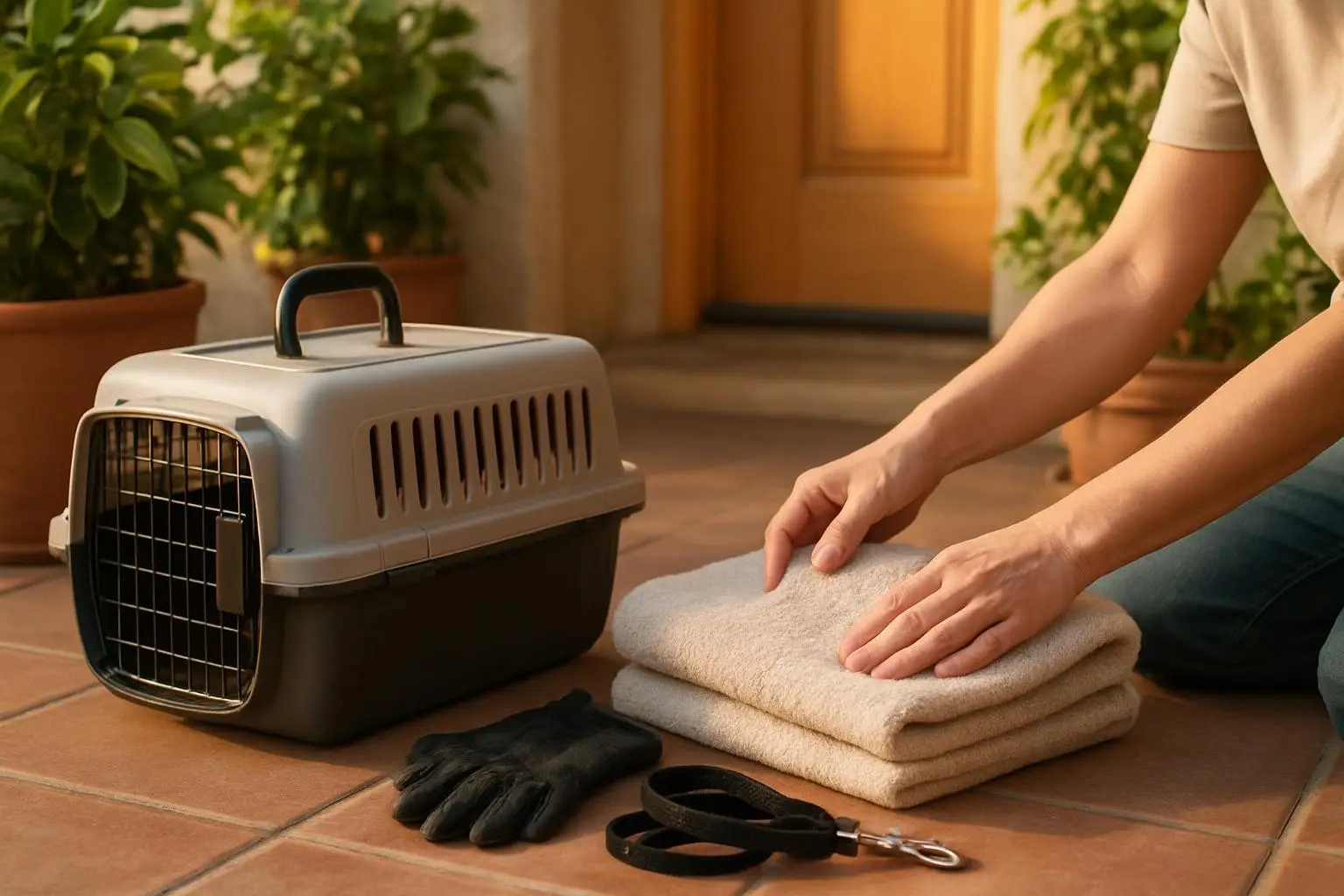
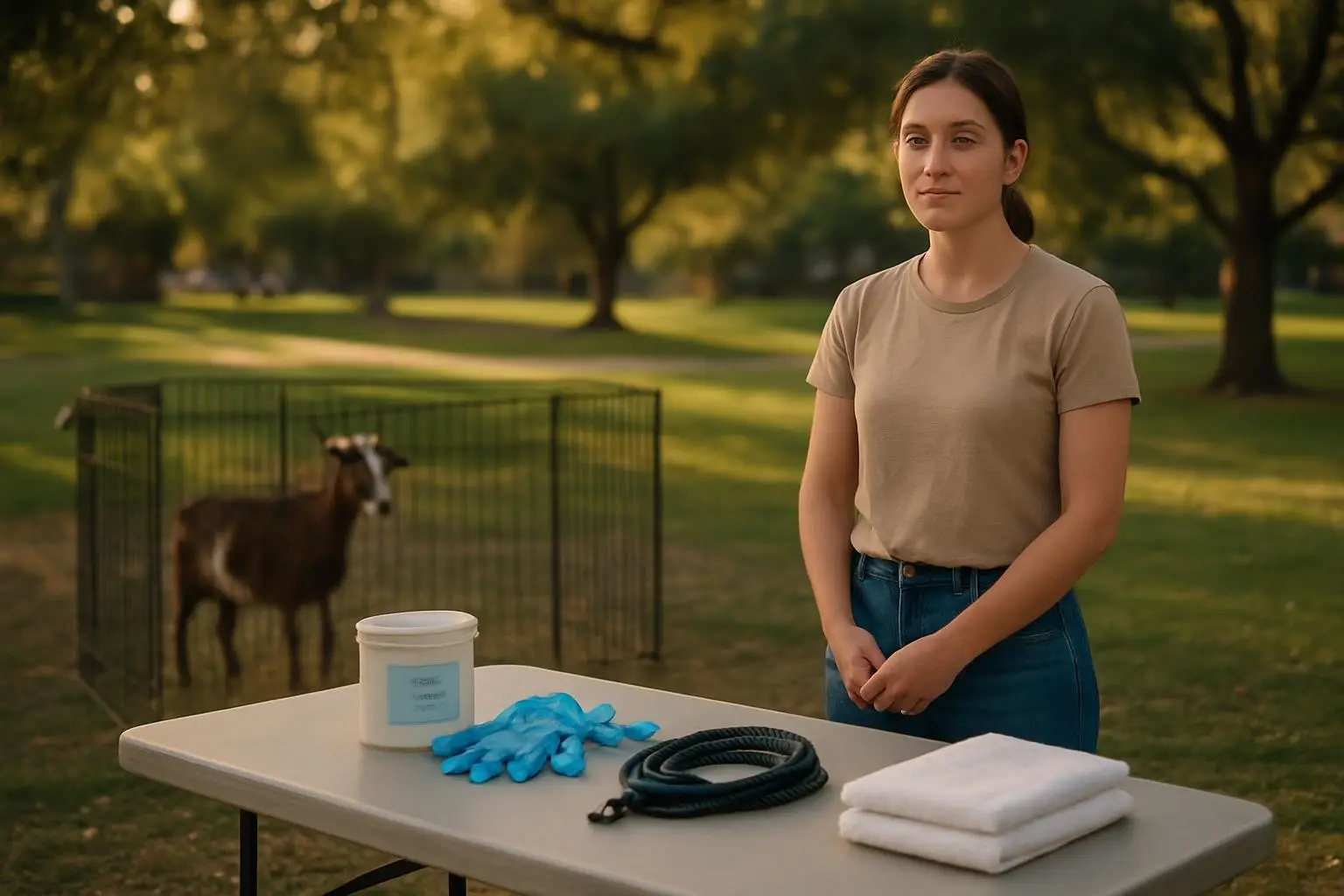
The provider brings everything needed—enclosures, feeding supplies, cleaning materials, and safety equipment. You mainly just need to provide the space and a gathering area.
Typical schedule from arrival to end of event
- 1. Arrival & setup (15–30 minutes before guests arrive): The team unloads animals and equipment, sets up the interaction area, and does a safety walkthrough with you.
- 2. Guest briefing (5–10 minutes): The handler explains rules—how to approach animals, what not to do, and safety boundaries for kids and adults.
- 3. Interaction time (bulk of your event, typically 30–90 minutes depending on your package): Guests rotate through stations, hold animals, ask questions, and take photos.
- 4. Educational moment (10–20 minutes): The handler may share facts about the animals, show how they eat or move, or answer curiosity-driven questions.
- 5. Breakdown & departure (15–30 minutes): The team cleans up, loads animals, and leaves. You’re not responsible for animal handling during this phase.
Total event time usually ranges from 1 to 2.5 hours, depending on what you’ve booked and your guest count.
2) Animal Lineup: Which Animals Do Guests Usually Meet?
Popular farm and classic petting zoo animals
The core lineup at most mobile petting zoos includes animals that are calm, accustomed to handling, and safe for the average guest:
- Goats (often the crowd favorite for their playful energy)
- Alpacas and llamas
- Rabbits and guinea pigs
- Chickens and ducks
- Sheep
- Sometimes ponies (for larger events with more space)
These animals are predictable, used to human interaction, and less likely to stress in a new environment. They’re also less regulated than exotic species, so they’re usually available on shorter notice.
Exotic and reptile-style encounters (based on availability)
If you want something beyond the petting farm standard, many mobile providers also offer:
- Snakes (ball pythons, corn snakes—typically non-venomous)
- Lizards (bearded dragons, iguanas)
- Tortoises
- Tarantulas or other arachnids
- Hedgehogs
- Sometimes primates or lemurs (availability and legal restrictions vary widely)
The term “exotic” varies by location and provider. In Phoenix or other areas where exotic pet rentals are marketed, you might find a broader range. However, availability depends heavily on the provider’s inventory, local regulations, and the complexity of transporting the animal safely.
How animal requests work vs. day-of availability
- When you book: You tell the provider which animals you’d like. They’ll confirm what’s available for your date or suggest alternatives.
- What’s guaranteed: Premium or all-inclusive packages often guarantee certain animals (like a reptile encounter or the full farm lineup).
- What’s conditional: If you’re booking a basic package or requesting rare animals, availability may depend on their current inventory, staff capacity, or another booking that day.
- Backup animals: Reputable providers will offer substitutes if a specific animal isn’t available—for example, a different snake species if the one you wanted is booked.
Always ask during the booking conversation: “Which animals are guaranteed for my date, and which might change based on availability?” This prevents surprise disappointment.
3) Birthday Party & Event Packages: What Do They Typically Include?
Party length, group size, and common add-ons
Mobile petting zoo providers usually offer tiered packages based on duration and guest count. Here’s what you’ll see:
- Basic / Starter: 1 hour, up to 10–15 guests, farm animals only, ~$200–350
- Standard / Mid-tier: 1.5 hours, up to 25–30 guests, farm + some exotic options, ~$350–600
- Premium / All-inclusive: 2+ hours, 30–50+ guests, full animal variety, add-ons included, ~$600–1,500+
Common add-ons (charged separately or bundled):
- Specific exotic animal requests
- Photo booth or professional photos with animals
- Themed decorations or props
- Extended time beyond the base package
- Private one-on-one encounters (like a private snake or reptile session)
- Educational talk or show component
What you get with an all-inclusive booking
- A larger variety of animals (farm + reptiles + possibly rare/exotic species)
- Longer event time (often 2+ hours of interaction)
- Accommodates larger groups without rushing
- Staff covers all setup, interaction management, and cleanup
- Often includes educational elements, feeding demos, or animal facts
- Sometimes includes party décor or photo props
- May guarantee specific animal requests rather than offering them as add-ons
The upside: you know exactly what you’re getting. The downside: higher price tag. For many renters throwing a party in a rental home, the peace of mind is worth it.
4) Pricing: What’s the Starting Range and What Drives the Cost?
Key pricing drivers (duration, headcount, travel, animal request level)
- Duration
Longer events cost more. A 1-hour booking is cheaper than a 2-hour booking, and add-on time (extra 30 minutes) usually costs $50–150 depending on the provider. - Guest count
More guests = more staff needed to manage interactions safely. Packages typically tier by headcount (e.g., up to 15 guests, up to 30 guests). Going over your package limit triggers overage charges. - Travel distance
If you’re outside the provider’s home base, travel fees apply. Closer bookings are cheaper. If you’re in a remote area or far from the city, expect a travel surcharge. - Animal requests
Requesting exotic, rare, or hard-to-transport animals costs more than sticking to standard farm animals. A ball python encounter might add $75–200; a lemur encounter could add $300+. Availability also affects pricing—if you’re requesting a specific animal on short notice, expect premium pricing or unavailability. - Staffing & setup complexity
Larger events need more staff. Events with specific education components, shows, or photo services also increase cost. - Location & local regulations
Areas with strict exotic animal permits (or high permit costs) may have higher overall pricing to cover compliance.
How to get an accurate quote quickly
Don’t just estimate based on a website price list. Here’s how to get a real number:
- Contact the provider with specifics: date, time, duration, guest count, specific animals you want, and your address.
- Ask if there are travel fees: Some include travel; others charge by distance.
- Clarify what’s included: Does the quote include setup/cleanup time? Photo props? Educational talk?
- Confirm animal guarantees: Ask which animals are locked in for your date and which are conditional.
- Get the total upfront: Ask for a final quote including all fees, not a base price with hidden add-ons.
Most reputable providers will give you a detailed quote within 24 hours. If they’re vague or keep adding charges, keep shopping.
5) Coverage Area & Booking Logistics: Where Do You Book and When?
Service area, lead times, and appointment-style scheduling
- Where to find providers:
- Google search for “mobile petting zoo [your city]” or “exotic animal rentals [your city]”
- Local event planning sites or party planning directories
- Facebook or Instagram (many small operators advertise here)
- Word-of-mouth from other renters or through local community groups
- Online booking platforms that specialize in event rentals or experiences
- Lead time:
Most mobile petting zoo providers ask for at least 2–4 weeks’ notice, though some will accommodate shorter notice for premium pricing or if availability allows. For popular dates (weekends, summer, holidays), book further out—6–8 weeks is safer. - Scheduling:
Booking works like an appointment. You choose your date and time window, the provider confirms availability, and you lock it in with a deposit (usually 25–50% of the total cost). The rest is due a week or two before the event.
What you’ll need ready at the venue or home
- A clear, flat space where the animals can be set up safely (driveway, patio, lawn, or a large room—depends on the provider and animals)
- Weather protection if it’s indoors (or coverage if it’s outside in sun/wind)
- Easy access for the provider’s vehicle to unload animals and equipment
- Restroom access for the staff
- A way to keep kids and any resident pets separate during setup (if you have a dog or cat at home, they should be safely away from the interaction area)
- Trash or waste disposal area for cleanup
- A guest gathering area near the animal station
The provider will tell you specific requirements when you book. If you’re renting and unsure what your landlord will allow, check your lease or ask them upfront—most landlords are fine with a short-term event as long as there’s no property damage.
6) Safety, Animal Handling, and Welfare: What Should You Expect?
Guest rules for kids and adults
- A trained handler will brief everyone on rules before interaction starts. Standard guidelines include:
- Gentle handling only: No squeezing, pulling tails, poking eyes, or sudden movements
- Wash hands after: Especially important with kids; animal contact can carry bacteria
- No flash photography: Bright lights stress animals
- Don’t feed animals outside the handler’s instruction: Some animals have dietary restrictions; unauthorized feeding can make them sick
- Stay in the designated interaction zone: Prevent guests from chasing or cornering animals
- Adults supervise kids closely: Even with a handler present, parents are responsible for their own children
- Respect the handler’s commands: If they say “step back,” everyone does
These rules protect both guests and animals. Good providers enforce them clearly but kindly, not like you’re at boot camp.
How the handling process works and staff responsibilities
- The handler’s job is multi-layered:
- Education: Explain each animal’s behavior, diet, habitat, and why handling matters
- Safety management: Watch for signs of stress in the animal or unsafe guest behavior; step in immediately if needed
- Individual assistance: Help shy guests feel comfortable, demonstrate proper holding technique, answer questions
- Animal welfare: Monitor animals for fatigue, stress, or overheating; rotate animals in and out of the interaction area to prevent exhaustion
- Documentation & liability: Keep track of what happened during the event in case of questions or incidents
Professional handlers are trained to read animal body language and guest behavior at the same time. If an animal is stressed, they remove it. If a guest is being rough, they redirect. The goal is fun and safety—for everyone.
7) Reviews & Trust Signals: What Should You Verify Before Booking?
Due diligence checklist for reputable providers
Before you hand over a deposit, vet the provider:
- Transparency & communication
- Do they answer all your questions, or do they seem evasive?
- Is their pricing breakdown clear, or are there mysterious add-ons later?
- Do they explain their policies on animal welfare, cancellations, and liability?
- Reviews & references
- Search Google, Yelp, Facebook, or Instagram for recent reviews (look for 2024–2025 reviews).
- Do reviews mention the actual experience (animals, staff behavior, punctuality)?
- Are there consistent complaints (late arrivals, animals stressed, unclear pricing)?
- Ask the provider for references if reviews are thin—reputable ones will provide them.
- Animal welfare signals
- Do they explain how animals are transported and cared for?
- Do they limit event time to prevent animal fatigue?
- Do they refuse to book extreme heat days (animals overheat easily)?
- Do they rotate animals in/out during longer events?
- Can they explain the animals’ backgrounds and why they’re safe for handling?
- Licensing & permits
- Ask whether they hold required permits for exotic animals in your state or city.
- Do they have liability insurance?
- Can they provide proof of business registration or a DBA (doing business as)?
- Staff experience
- How long have the handlers worked with animals?
- Do they have any training certifications or education in animal behavior?
- Do they seem knowledgeable and calm when you talk to them?
- Cancellation & payment policies
- What happens if you cancel? When do you get a refund?
- What if they cancel on you—what’s their backup plan?
- Do they accept multiple payment methods?
- Red flags to walk away:
- Unwillingness to answer questions about animal welfare
- Reviews mentioning stressed animals, aggressive behavior, or poor handling
- No clear pricing or constant price changes mid-booking
- Pressure to book immediately without time to think
- No insurance, permits, or verifiable business information
Trust your gut. If something feels off, keep looking.
FAQ
Can you rent exotic animals?
Many “exotic” experiences are booked as staffed animal encounters rather than a do-it-yourself rental. The ability to “rent” exotic animals varies by location and species and may require permits, approved facilities, and specific handling requirements. If you’re shopping for an encounter for an event, ask whether the booking is staffed/on-site and what documentation or restrictions apply.
What does an exotic petting zoo experience typically include?
A typical booking includes live animal encounters, a safety and interaction briefing, trained staff, and transportation of the animal team to your location (for mobile options). What’s included—such as feeding, holding, props, or specific animals—depends on the provider, party format, and animal availability.
Are there regulations or permits required?
Exotic animal rules are highly location- and species-specific. Even if you’re not permanently housing animals, temporary events may involve local ordinances, permitting, and compliance requirements. Ask the provider about applicable permits and how they ensure compliance for your event.
What factors should I consider before booking?
Key factors include animal variety available on your date, staff experience, interaction rules for kids, coverage area and travel requirements, duration of the experience, pricing drivers (guest count and animal request level), and the provider’s transparency around what is and isn’t guaranteed.
How can I tell whether a provider is reputable?
Look for clear policies, professional staff, consistent review themes (safety, punctuality, animal handling quality), transparent pricing or quoting, and willingness to answer questions about animal welfare and guest interaction procedures. If reviews are limited, ask for references or proof of compliance and training.