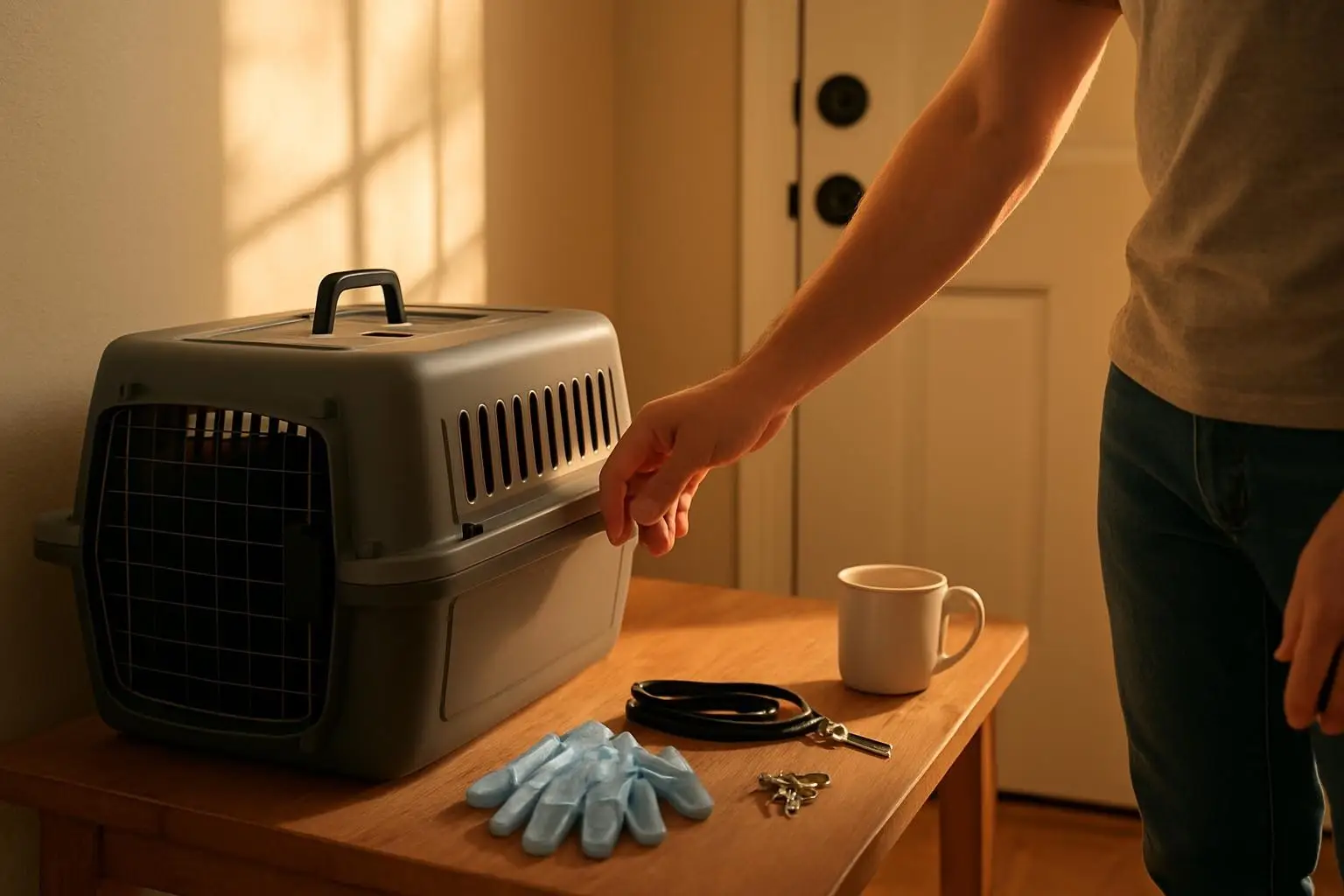


Moving with Pets
Moving is stressful for everyone in the family—even the four-legged members. Whether you’re relocating across town or across the country, your pet’s comfort and safety need to be part of the plan from day one. But with the right preparation and a little patience, you can help your pets adjust to a new home and feel just as settled as you do. What’s your moving timeline, and how will you prepare your pet for the journey ahead?
How to Move with a Dog
Maintaining a dog’s normal schedule is the single most important thing you can do during a move. As creatures of habit, dogs will be reassured by having their regular feeding, walking and play times maintained. Playtime keeps your dog’s mind at ease — they’re more likely to eat and sleep better if they’re getting their regular amount of activity.
Before Moving Day
The safest way for your dog to travel is in a crash-tested harness, seat belt, or travel crate. These products are designed to keep your dog secure and reduce the risk of injury in the event of a sudden stop or collision. It’s also helpful to get your dog used to the mode of travel you’ll be using for your move. If it’s a long car ride, take some short drives to help your dog feel comfortable in the car.
You need to get your dog a new ID tag with your updated address and revise your dog’s microchip information. If your dog panics in the move and runs off, you need to make it easy for your new neighbors to return your pet to you.
Pack your dog’s items in a separate box and load it where it will be easy to access at your new home. Then dishes, food, and dog beds can come out right away, so you can easily re-establish your dog’s regular routine. Be sure to pack your dog’s old belongings. This isn’t the time for a doggy makeover. It will reassure your dog to have items in the new location that smell like your old home.
On Moving Day
If possible, avoid the Moving Day chaos all together by getting the pet out of the house. If you can coordinate time at a local space rental, stay with a friend, send your dog to daycare, at a trusted pet sitter, or coordinate the movers to arrive and pack after you’ve reached your destination.
Provide your pet with as much familiarity as you can, bring unwashed bedding or favorite toys in the care.
After You Arrive
When you arrive at your new home, place your dog somewhere quiet and safe away from the open door and chaos of unloading. If possible, set up your furniture in the new home in a similar pattern to ease your dog’s response to the change. Try to place your dog’s belongings in the same places, such as a bed in the living room and dishes beside the fridge.
Get your dog back to their usual routine as quickly as possible. They have a lot to get used to including the new neighborhood and all the new sounds and smells.
How to Move with a Cat
The whole process is very stressful for cats because it disrupts their daily routines and removes them from familiar sights, sounds, and smells. They are territorial and rely on familiar sights, smells, and routines for a sense of normalcy and predictability each day. Moving disrupts their familiar environment and sensory cues, leaving them feeling stressed.
Before Moving Day
Try to maintain your cat’s routine while you’re packing and getting ready for the move. This includes keeping the same bedtime, playtime, and mealtime. Set out the moving boxes and the cat carrier weeks ahead, so they become a normal part of your cat’s life.
Pack gradually: Avoid overwhelming your cat by packing in stages rather than all at once. Keep your cat’s essentials unpacked: Save their litter box, food bowls, scratching post and bedding for last so their space stays familiar.
On Moving Day
Leave food, bedding, a litter tray, and a piece of furniture under which he can hide. Place the cat carrier in the room with its door open. Make sure your movers know the door to the room must remain closed to prevent your pet from running away.
Spray the inside of the cat carrier with synthetic feline facial pheromones (ask your veterinarian) an hour before you place your cat inside. Place the carrier in a seat and secure with the seat belt, in the well behind the seat or wedged safely on the back seat so that it cannot move around.
After You Arrive
When possible, it’s best to move everything and spend an hour or two getting things settled in the new home first, then go back and get your cat. They may not love being in their safe zone alone during that time, but it will be less stressful than being at the new home, with movers in and out while you’re trying desperately to find the box with the toilet paper in it.
Having full access to the new house right away will overwhelm and stress your cat out. From your cat’s home base, gradually increase access as your cat shows less stress and anxiety.
Most cats require 2-4 weeks to show significant signs of adjustment, though individual timelines vary considerably based on personality, previous experiences, and the specific circumstances of the move.
How to Move with an Exotic Animal
Traveling with exotic pets requires specialized planning because reptiles, birds, amphibians, and small mammals respond to environmental changes in ways that differ significantly from those of dogs and cats. When transporting exotic animals, recognizing each pet’s species and its own needs is essential.
Legal and Regulatory Requirements
Some species are restricted in certain states or municipalities. You may need special permits or documentation to legally move your pet to a new location. Before making travel plans, it’s essential to understand the rules governing the transportation of exotic animals. State laws vary, and some species may be restricted or require special permits.
Temperature and Carrier Considerations
Many exotic animals are sensitive to temperature changes. Use heat packs, cooling pads, or insulated carriers as needed. Reptiles, amphibians, and tropical birds are particularly vulnerable.
Reptiles: Well-ventilated plastic tub or carrier with secure latches. Include heat packs or cooling packs depending on species.
Cat carriers make good travel containers for small and medium-sized birds, and can be fit with a perch and have bowls for food and water. Cover partially to reduce stress and maintain warmth. Bring treats like millet spray.
Health and Documentation
A pre-travel veterinary visit provides essential safety screening for exotic animals. An exotic pet travel health exam focuses on species-specific risks rather than general wellness checks and should always include expert advice on travel readiness.
Do research before you plan your move. In addition to CVIs and health certificates, certain exotic pets may need CITES permits and other specialized permits.
Professional Transport Services
For long-distance or international moves, it’s often safest to hire specialists in exotic animal transport. These services handle everything from climate control to legal paperwork, offering peace of mind and expert care.
How to Help Your Pet Adjust to a New Apartment
Whether you’re moving to your first apartment with your pet or downsizing from a larger home, adjustment takes time and intentional planning. Keeping a consistent routine is one of the best ways to help your pet adjust to their new home. Pets, especially dogs and cats, find comfort in predictability. Try to maintain the same feeding schedule, walk times, and bedtime routine as you did before the move.
Creating a Safe Space
Set up a designated area for your pet that includes their bed, toys, food and water bowls, and any other familiar items they associate with comfort. Having a designated space will provide them with a sense of security and give them a place to retreat to when they’re feeling overwhelmed or need a break from the new environment.
Slow Exploration
Take time to gently introduce your pet to the new environment. Walk your dog through each room on a leash so they can sniff and investigate at their own pace. Let cats explore one room at a time, gradually giving them access to more areas. By exploring together, you offer reassurance and let them know you’re by their side as they get familiar with new smells, sounds, and spaces.
Apartment-Specific Adjustments
Moving from a full house with a yard to run around in to an apartment, condominium, RV, or tiny home when you downsize can be a huge adjustment for dogs. They have less room both indoors and out, plus they might be sharing spaces like the lobby, elevators, or hallway with unfamiliar faces and animals. And in such close quarters, dogs need to stay quiet so they don’t disturb their neighbors and may have to learn to do their business off-site.
Once you’ve moved in, your dog will be flooded with unfamiliar noises from the hall and your neighbors. It’s important you teach your dog these sounds are no big deal. You don’t want noise complaints from your neighbors or the building manager because your dog won’t stop barking. In the beginning, pair noises with treats or a game, so your dog sees them as predictors of something fun rather than something worrisome.
Timeline for Adjustment
Allow at least 2-3 months for full adjustment. It typically takes 2-3 weeks for a dog to start adjusting to a new home, but it can take up to 3 months for full adjustment. You must allow ample time for your dog to adjust to the new home. It will take weeks (not days!), or more likely months, before your dog is fully comfortable in their new environment.
Moving with Pets Cross-Country: A Complete Guide
Cross-country moves with pets require extra planning and coordination. The good news is that with careful preparation, your pet can make the journey safely and with minimal stress.
Documentation and Vet Requirements
Before crossing state lines, it’s important to research health and documentation requirements for your pet. Different states have different rules, which may include: A Certificate of Veterinary Inspection (CVI) or domestic health certificate. If a CVI is needed, make sure to book an appointment with a USDA-accredited veterinarian.
A visit to the vet is essential before embarking on a cross-country move. During this appointment, consider these steps: Ensure your pet is up to date on vaccinations. Address any health concerns or travel-related issues. Refill prescription medications or stock up on any specialized food your pet may need.
Travel Method: Driving vs. Flying
To transport a dog across the country, you have three main options: flying your dog in the cabin or cargo hold of a commercial airline ($90–$600 each way), hiring a professional ground transporter ($0.50–$1.60 per mile), or driving the route yourself. The best choice depends on your dog’s size, breed, and temperament. Small dogs under 20 pounds can fly in-cabin, while large dogs, brachycephalic breeds, and senior dogs are safer with ground transport.
Professional ground pet transport offers climate-controlled vehicles, more space, and regular breaks, making it the least stressful and most reliable way to move large dogs across state lines.
Due to the extreme stress that flying can put on your furry companion, you should avoid flying with senior pets. It’s also important to note that older pets may need to go to the bathroom more frequently, which isn’t doable on an airplane.
Supplies and Preparation
Before hitting the road, make sure your pets identification is current. Ensure your pet wears a collar with up-to-date identification tags, and consider microchipping them as an extra precaution.
Pets thrive on routine, and moving can be stressful for them because of disrupted schedules. Doing your best to stick to your pet’s usual feeding, walking, and play times will go a long way toward comforting them during the transition. Consistency is key, it can help minimize anxiety and provide them with a sense of familiarity.
Prep a pet-friendly travel kit. Bring food, a bowl, leash, waste bags, grooming supplies, medication, a first-aid kit, your veterinarian’s contact information and any travel documents your pet may need for the duration of both your ride and your time away from home.
During the Journey
Allow your dog some rest breaks. Give them the opportunity to enjoy the trip as well! Don’t: Feed your pet in a moving vehicle. This may result in your pet feeling nauseous or vomit. Instead, feed your pet three or four hours ahead of departure and offer an occasional small snack, like a dog biscuit or two, on longer rides.
Pack plenty of water. Always opt for bottled water or water from home on a road trip. Drinking water from an area they aren’t used to could cause an upset stomach.
Pet-Friendly Accommodations
Will an overnight stop be part of your trip? Plan ahead by locating pet-friendly accommodations along your route. Many motel and hotel chains take pets.
How to Find a Pet-Friendly Moving Company
Traditional moving companies typically cannot transport your pets themselves, so you’ll need to arrange separate transportation or hire a specialized pet moving service. Here’s how to navigate your options.
Understanding Your Options
When searching for moving services that work with pets, consider these main options:
- Dwellsy — This rental search platform features pet-friendly search tools that let you create a pet profile (including species, breed, size, and weight) and filter listings from the start. Pet-friendly properties are clearly badged, so you can quickly identify apartments and homes that accept your pet without wasting time on places that don’t.
- Zillow — One of the largest rental listing sites in the US, Zillow allows pet filtering and includes landlord contact information for pet policy inquiries.
- Apartments.com — A dedicated apartments site with pet policy filters and listings that show pet fees and restrictions upfront.
- Local real estate agents — Real estate professionals in your new area can recommend pet-friendly landlords and properties based on their market knowledge.
- Local humane societies or animal rescues — Many organizations maintain lists of pet-friendly rentals in their communities.
Specialized Pet Transport Companies
Professional pet transport services offer a special, door-to-door solution made to lower stress for both you and your furry, feathered, or scaled family members. These companies use climate-controlled, custom-equipped vehicles and have trained animal handlers who make safety and comfort a priority throughout the trip. These services handle everything from pick-up at your old home to drop-off at your new one, making sure it’s a smooth experience.
Research pet transport companies carefully to select one with excellent reviews and experience in cross-country moves. Choose a provider with experience moving exotic animals – not just cats and dogs. Ask about vet support, insurance, crate standards, and species-specific protocols.
What to Look for When Choosing a Service
Whether you’re hiring a pet transport company, using a moving service with pet-friendly options, or arranging your own transport, ask about:
- Experience with your specific pet type (dog, cat, exotic animal, etc.)
- Climate-controlled vehicle options
- Regular rest stops and feeding schedules
- Insurance coverage for your pet
- Customer reviews and references
- Health and safety protocols
- Cost breakdown and hidden fees
FAQ
How long does it take for a pet to adjust to a new home?
Often, it only takes a few days to a few weeks for pets to settle in, especially when we’re mindful of their needs. However, full adjustment can take 2–3 months for dogs and longer for cats depending on their personality and past experiences.
What should I do if my pet shows signs of stress after moving?
Your pet may exhibit signs of stress, such as excessive barking, meowing, hiding, or changes in eating or sleeping habits. If these signs persist, it’s a good idea to consult with your veterinarian. They can help determine whether your pet’s anxiety is a short-term reaction to the move or if there’s an underlying issue that needs to be addressed.
Is it okay to move my pet from a house to an apartment?
Yes, but it requires adjustment. Dogs used to yards will need more frequent walks and mental stimulation indoors. Cats generally adapt well if you provide vertical spaces (cat trees, shelves) and maintain consistent routines. Noise from neighbors and shared spaces can initially stress both species, but with patience and training, they’ll settle in.
Can I fly my pet across the country during a move?
It depends on your pet’s size, breed, and health. Flying with pets requires extra preparation. If air travel is part of your move, here are some helpful pointers: Airline Guidelines: Research your airline’s pet policy well in advance. Small pets might be allowed in the cabin in an airline-approved carrier, while large pets typically travel in the cargo hold. Always consult your vet before booking air travel, and consider ground transport as a less stressful alternative.
What items should I pack first and last when moving with a pet?
Your pet’s things should be in the last box on the moving truck and the first one off. Set up a quiet, secure room at your new place where your pets can stay with all their familiar items. Keep them there while you are unpacking and moving furniture around.