
Dog Destroying Things at Home? What Actually Helps
Your dog just demolished your couch, again. If you’re dealing with a dog destroying things at home, you’re probably wondering whether your pup is bored, anxious, or just making art out of your belongings. The good news is there’s usually a reason behind the destruction—and plenty you can do about it. Ready to understand what’s actually going on?
Why Dogs Become Destructive
Destructive behavior isn’t a personality flaw—it’s almost always a sign that something in your dog’s life needs attention. Dogs aren’t trying to annoy you or ruin your security deposit; they’re usually responding to an unmet need.
Some of the most common culprits:
- **Excess energy**: Dogs need mental and physical stimulation. Without it, they’ll find their own outlets—like chewing through your walls.
- **Lack of structure**: Dogs thrive on routine. If their days feel unpredictable, they can turn to destructive behavior as a way to cope.
- **Separation anxiety or loneliness**: Many dogs get destructive specifically when you leave. They’re not punishing you; they’re stressed about being alone.
- **Medical issues**: Sometimes destructive behavior signals pain or an underlying health problem. If the behavior is sudden, a vet visit is worth it.
- **Teething or natural chewing drive**: Puppies and certain breeds chew as a normal part of development. Channeling that drive matters.
Is It Anxiety or Boredom?
Here’s the tricky part: destructive behavior can look the same whether your dog is anxious or bored, but the fix is different. Figuring out which one you’re dealing with changes how you approach the problem.
**Anxiety-driven destruction** tends to be:
- Focused on exits, doors, or windows (they’re trying to escape)
- Accompanied by pacing, whining, or drooling when you’re gone
- Often worse at certain times (like when you’re leaving or during storms)
- More likely to happen right after you leave, not randomly throughout the day
**Boredom-driven destruction** typically looks like:
- General damage scattered throughout your space
- Destruction that happens on your dog’s own schedule, not tied to your absence
- Behavior that improves noticeably when you interact or play with them
- Often accompanied by other “look at me” behaviors like jumping or stealing
If you suspect your dog’s destructive behavior is linked to anxiety—whether that’s separation anxiety, noise sensitivity, or general stress—addressing it often means combining environmental changes with patience and, sometimes, support from a behaviorist. Understanding whether your dog is experiencing anxiety at home versus just needing more outlets for energy will help you actually solve the problem instead of just managing it.
How to Stop Destructive Behavior
Stopping destructive behavior isn’t about punishment; it’s about meeting your dog’s needs and redirecting their energy.
**Start with the basics:**
- Increase physical exercise (longer walks, play sessions, fetch)
- Add mental stimulation (puzzle toys, training sessions, sniff games)
- Create a consistent daily routine so your dog knows what to expect
- Puppy-proof your space by removing tempting targets and using baby gates if needed
- Make sure your dog has access to appropriate chew toys and items
**For anxiety-specific destruction:**
- Practice short departures so your dog gets used to you leaving and returning
- Leave calming background noise (music, a fan, white noise)
- Create a safe space or den-like area where your dog feels secure
- Talk to your vet about whether supplements or other tools might help manage stress
**If nothing’s working:**
- A certified dog behaviorist can identify triggers and create a tailored plan
- Your vet can rule out medical issues and discuss additional support options
- Don’t rely solely on crates or confinement as a solution—it manages the symptom but doesn’t address the cause
Best Toys for Destructive Dogs
Not all toys are created equal when you have a power chewer. Strong, engaging toys matter, and rotating them keeps your dog interested longer.
Look for toys that:
- Are tough and durable (avoid anything that easily breaks into pieces)
- Encourage active play and mental engagement, not just sitting with them
- Have different textures (rope, rubber, plush with reinforced seams)
- Can be filled with treats or frozen for extended interest
- Match your dog’s play style (tuggers, chasers, chewers, all of the above)
When exploring best dog toys for indoor stimulation, consider options like:
- Kong Extreme Black chew toys (built for power chewers)
- Nylabone Durachew products (long-lasting chew options)
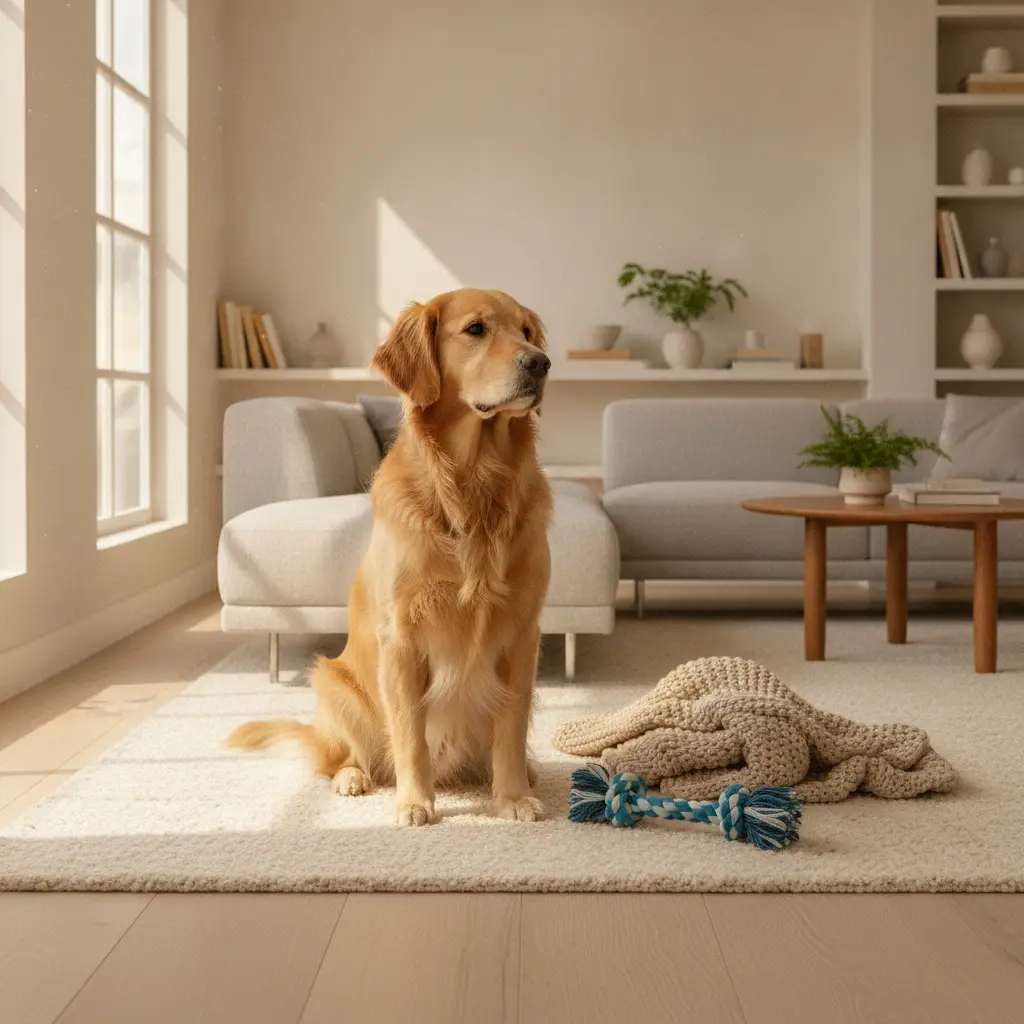
- Rope toys with knots (good for tugging and interactive play)
- Snuffle mats and puzzle feeders (mental stimulation and slow-feed options)
- Bully sticks or yak chews (natural, long-lasting chew alternatives)
You can find durable chew toys and other supplies at retailers like 1800PetMeds, where you can get 20% off sitewide using code WELCOME20 at checkout.
Rotate toys to keep them feeling fresh. If your dog gets bored with a toy, put it away for a few weeks, then bring it back. You’d be surprised how “new” an old toy feels after time apart.
P.S. This post contains affiliate links at no extra cost to you. The products featured here consistently showed up as top options during our research, and we aim to provide the most accurate and helpful information possible.
FAQ
**What if my dog only destroys things when I’m gone?**
That’s often a sign of separation anxiety or distress about being alone. Start by practicing very short departures (leave for 30 seconds, come back), and gradually build up to longer periods. A calm environment, background noise, and a safe space can help.
**Can I just give my dog more toys and call it solved?**
More toys help, but they’re not a complete fix if the root cause is anxiety, lack of exercise, or stress. The toys should be part of a bigger plan that includes exercise, routine, and addressing whatever’s actually driving the behavior.
**Is destructive behavior ever normal?**
Absolutely. Puppies chew as they explore and teethe, and some breeds have higher chewing drives. The key is directing that energy into appropriate toys rather than your furniture, and understanding what your individual dog needs.
**Should I punish my dog for destroying things?**
No. Punishment creates fear and confusion, especially if the destruction is anxiety-driven. It doesn’t address the underlying cause and can actually make anxiety worse. Focus on prevention, redirection, and meeting your dog’s needs instead.
**What if my dog destroys things even when exercised and with toys available?**
It’s worth checking with your vet to rule out medical issues, boredom that needs different kinds of stimulation, or anxiety that might benefit from additional support. Sometimes a behavior consultation helps identify triggers you haven’t noticed.