Finding a lease that allows you to homeshare doesn’t have to be complicated, but it does require knowing what to look for. From lease terms to hosting rules and common red flags, a few key checks can make the process much smoother. This article covers things you should consider before getting started.
How to find a lease that supports homesharing
Start with rental platforms that offer verified listings. For example, Dwellsy includes Airbnb-friendly apartments, which permit hosting exclusively on Airbnb. Other marketplaces with short term or flexible lease filters can also help narrow down options and provide clearer terms.
University housing boards often feature short term subleases from students, making them a practical option for flexible arrangements. However, you should still confirm that subleasing is allowed and that landlord approval has been obtained.
Facebook groups can provide a wider range of local sublease options and are often updated frequently. However, they require more caution, so always verify listing details, request documentation, and confirm the sublease is permitted before moving forward.
Key clauses to look for in a lease
The original lease determines what a renter can and cannot do, so review it carefully. Here are some things to look for:
- Clauses related to subleasing and whether landlord consent is required
- If homesharing is part of your plan, rules on guests, short term stays, and property use
- Occupancy limits and liability terms, which define how many people can stay and who is responsible for damages or violations
- Any restrictions on commercial use or guest stays, which may prevent home sharing altogether
Red flags in lease agreements
Lack of explicit landlord approval
One of the biggest red flags is when there’s no clear landlord approval. If the tenant can’t show written confirmation, the sublease may not actually be allowed. In practice, this puts you at risk, even if everything else seems fine.
Vague agreements
If the agreement feels unclear, that’s a problem. Missing details around rent, duration, or responsibilities usually lead to confusion later on. For example, if it’s not clear who handles damages or utilities, disagreements are almost guaranteed.
Rents below the typical market range
If the rent looks too good to be true, it often is. While deals do exist, unusually low prices can signal scams or unauthorized subleases. As a result, it’s worth taking extra time to verify the listing and the person offering it.
Inconsistent information
Pay close attention to mismatched details. If the listing says one thing but the lease says another, that’s a clear warning sign. In that case, always rely on the lease, since that’s the document that actually governs what’s allowed.
Questions to Ask Before Signing the Lease
Before committing, ask direct and specific questions. This helps clarify expectations and uncover potential issues.
- Has the landlord approved the sublease in writing? Verbal confirmation is not sufficient.
- What is included in the rent, such as utilities, internet, or maintenance? Unexpected costs can affect overall affordability.
- If home sharing is part of your plan, are short term guests allowed under the lease and building Airbnb rules? For example, some buildings restrict guest stays beyond a certain number of nights.
- How will the end of the sublease be handled? This includes notice periods, deposit returns, and any conditions for renewal.
What to Expect When Sharing your Home as a Renter
Home sharing as a renter comes with restrictions set by the lease, building rules, and local laws. Expect limits on guest frequency and length of stay. In some cases, properties require notification or approval for guests, and regulations can vary not just by building, but also by city and state.
At the same time, you may need to manage communication with neighbors and comply with stricter standards around noise and security. These expectations are often enforced more closely in shared buildings.
In practice, hosting is only sustainable when it aligns with lease terms and local regulations, and is handled consistently and responsibly.
Pros and Cons of Home Sharing on Airbnb in a Rental
Benefits
Home sharing in a rental can provide supplemental income that can help cover living expenses. This is particularly useful in high cost cities where rent consumes a large portion of income.
It also offers flexibility. For example, you can host during periods when you are traveling or not using the space.
Another advantage is the low entry cost. Unlike property ownership, you do not need to invest in real estate to begin hosting.
Risks
The primary risk is violating the lease. Unauthorized hosting can lead to eviction, fines, or termination of the agreement, especially if complaints arise or rules are enforced strictly.
Predictability can also be a risk. Home sharing income can be inconsistent, while rent remains fixed, and any damage caused by guests must be handled in a timely manner in order to qualify for Airbnb’s protection called Aircover – not acting quickly may result in additional costs or loss of deposit.
Step by Step Process to Start Hosting on Airbnb with Permission
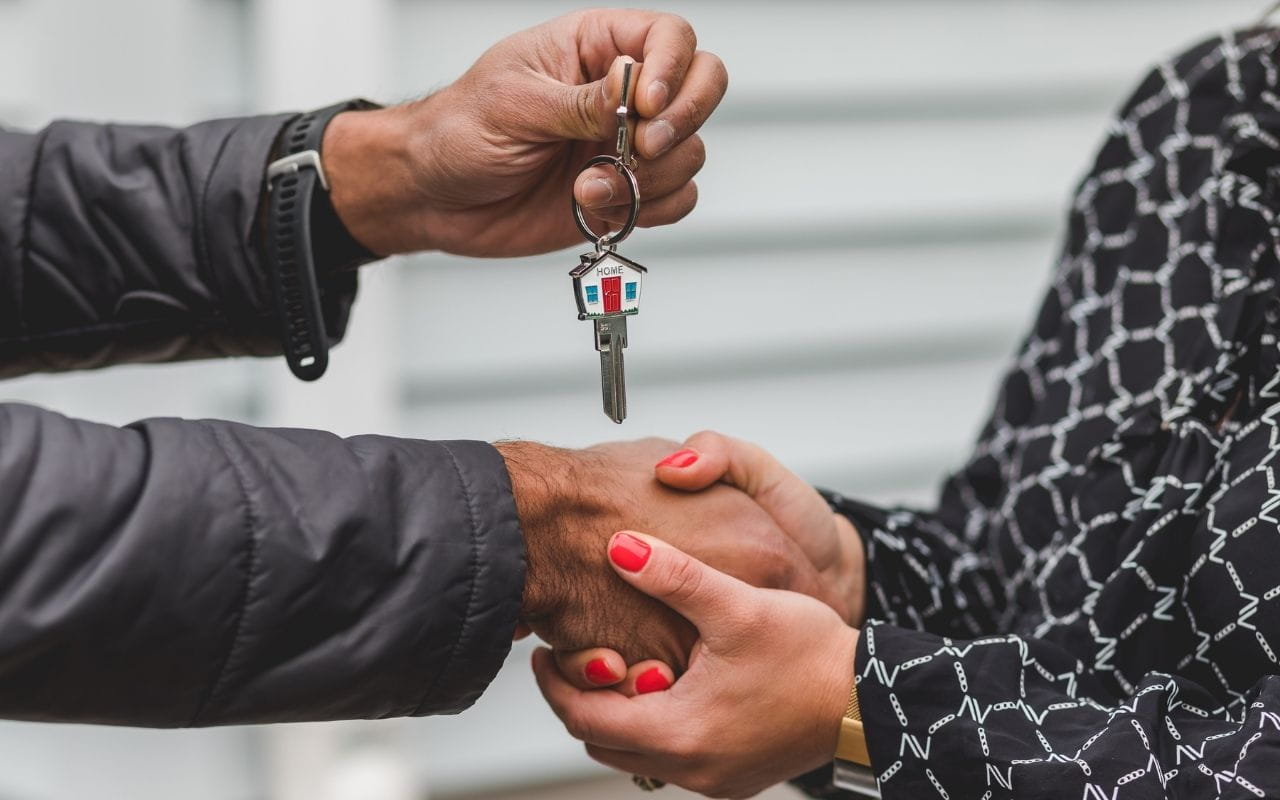
Start by reviewing your lease and confirming whether hosting or subleasing is allowed. If required, obtain written approval from your landlord to avoid future disputes.
Next, check local regulations. Some cities require permits or limit short term rentals, so it is important to ensure you are operating within local requirements.
Finally, prepare the space for photos, creating your listing so guests can find your place and make your unit available for bookings!
FAQ
Is subleasing always allowed?
No. It depends on the original lease. Some leases allow it with approval, while others prohibit it.
Can I host short term guests in a sublease?
Only if the lease and local regulations permit it. Always verify both before proceeding.
Do I need landlord approval to sublease?
In most cases, yes. Written approval is the safest approach.
What happens if I violate the lease?
Consequences may include eviction, fines, or termination of the agreement.
How can I verify a legitimate sublease?
Request documentation, confirm landlord approval, and ensure all terms are clearly defined in writing. At the same time, it’s important to note that not all subletting needs to be that complicated. Options like Airbnb-friendly buildings on Dwellsy are designed to make this process easier, as they have a badge that identifies apartments that allow hosting on Airbnb.